

Did you know there’s a whole world of fruits that rarely make it to your local grocery store?
While apples and oranges get all the attention, some truly interesting fruits are hiding in plain sight – particularly those that begin with the letter Q.
From small family farms to distant tropical groves, these lesser-known fruits have stories worth telling.
Some might be growing right in your neighbor’s backyard, while others flourish in far-off places you’ve yet to visit.
Many of these Q-named fruits aren’t just interesting – they’re also full of nutrients and have unique flavors that might surprise you.
Some might sound familiar, while others might make you wonder, “How have I never heard of this before?”
Let’s explore these overlooked fruits together – who knows, you might find your new favorite among them.
Top Q-Named Fruits
1. Quince
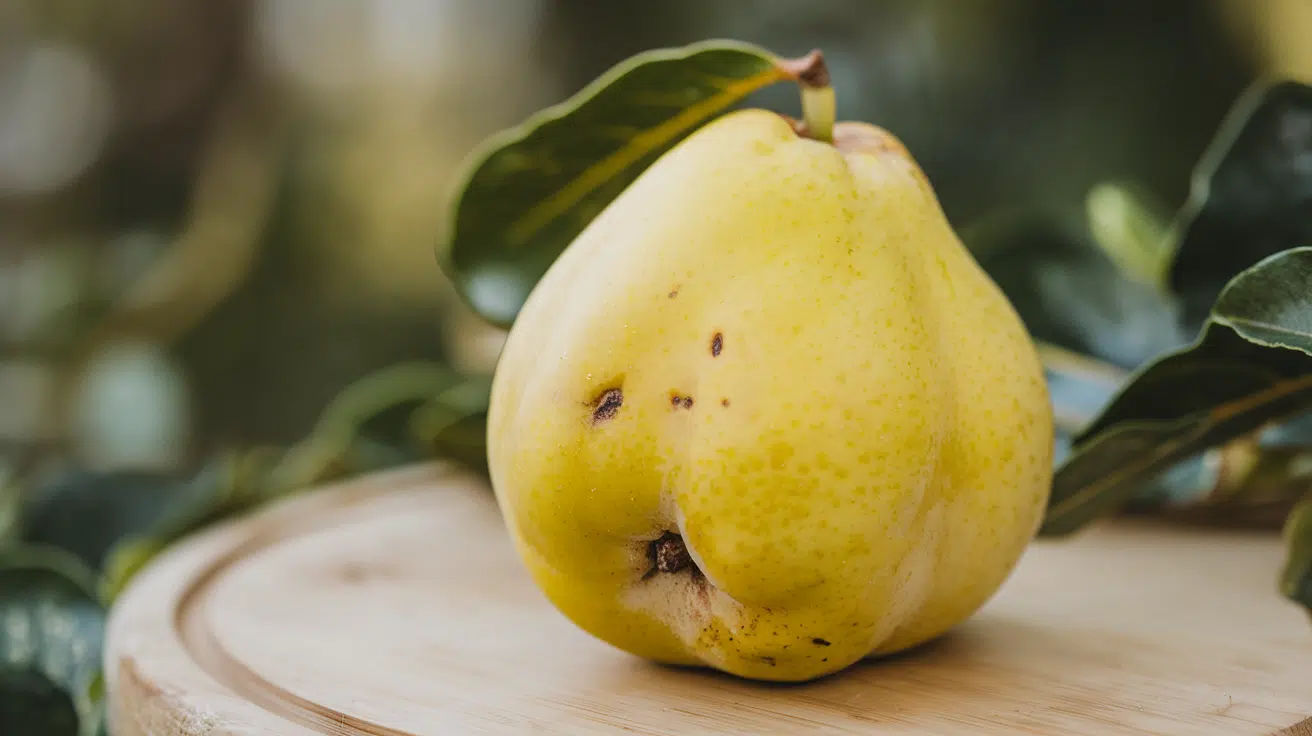
Origin: Native to the Middle East and parts of Asia, but now grown in temperate regions worldwide.
Taste: Tart and astringent when raw, but sweetens significantly when cooked.
Nutritional Benefits:
- Rich in vitamin C
- Contains fiber, supporting digestive health
- High in antioxidants that may help reduce inflammation and support heart health
| Detail | Description |
|---|---|
| Scientific Name | Cydonia oblonga |
| Family | Rosaceae |
| Common Uses | Typically used in jams, jellies, and desserts; also used in savory dishes and sauces |
| Season | Harvested in late fall when it turns yellow and slightly soft |
| Popular Varieties | Includes common types like Smyrna and Pineapple quince |
2. Queen Anne Cherry

Origin: Native to the United States, specifically developed in the Pacific Northwest.
Taste: Sweet and slightly tart, with a firm texture and bright red color.
Nutritional Benefits:
- Rich in vitamin C, supporting immune health
- Contains antioxidants, which may help reduce oxidative stress
- Low in calories, making it a healthy snack option
| Detail | Description |
|---|---|
| Scientific Name | Prunus avium |
| Family | Rosaceae |
| Common Uses | Eaten fresh, used in pies, jams, and sauces; often incorporated into desserts and salads |
| Season | Typically harvested in late spring to early summer |
| Popular Varieties | Known for its light pinkish-white color and sweet flavor, often used for ornamental purposes as well |
3. Queen Tahiti Pineapple

Origin: Native to the islands of the Pacific, particularly Tahiti.
Taste: Sweet and slightly tangy with a smooth, less fibrous texture compared to other pineapples.
Nutritional Benefits:
- Rich in vitamin C, supporting immune health
- High in fiber, aiding digestion
- Contains bromelain, an enzyme that can help with inflammation and digestion
| Detail | Description |
|---|---|
| Scientific Name | Ananas comosus |
| Family | Bromeliaceae |
| Common Uses | Typically eaten fresh, used in juices, fruit salads, and tropical desserts |
| Season | Available year-round, but peak season is typically in the summer months |
| Popular Varieties | Known for its small size, smooth texture, and sweet taste compared to other pineapple varieties |
4. Queensland Nut (Macadamia Nut)

Origin: Native to Australia, specifically Queensland and New South Wales.
Taste: Rich, buttery, and slightly sweet, with a crunchy texture.
Nutritional Benefits:
- High in monounsaturated fats, beneficial for heart health
- Rich in vitamins B1, B6, and E
- Contains antioxidants, which help protect against oxidative stress
| Detail | Description |
|---|---|
| Scientific Name | Macadamia integrifolia |
| Family | Proteaceae |
| Common Uses | Eaten raw or roasted as a snack, used in baking, cooking, and in nut butters |
| Season | Typically harvested in late summer to early fall |
| Popular Varieties | Includes varieties like Macadamia integrifolia and Macadamia tetraphylla |
5. Quickberry

Origin: Native to North America, particularly in regions like Canada and the northern U.S.
Taste: Sweet and tangy with a slightly tart flavor, similar to other berries but with a more concentrated sweetness.
Nutritional Benefits:
- High in vitamin C, promoting immune health
- Rich in antioxidants, particularly anthocyanins, which help fight oxidative stress
- Contains dietary fiber, aiding in digestion
| Detail | Description |
|---|---|
| Scientific Name | Sambucus nigra |
| Family | Adoxaceae |
| Common Uses | Typically used in jams, jellies, syrups, and juices; can also be eaten fresh or used in desserts |
| Season | Harvested in late summer to early fall when berries are fully ripe |
| Popular Varieties | Includes varieties of elderberries used for medicinal purposes and culinary dishes |
6. Quenepa (Spanish Lime)

Origin: Native to the Caribbean and parts of Central and South America.
Taste: Sweet and tangy, with a refreshing citrus-like flavor. The flesh is juicy and slightly tart, with a smooth texture.
Nutritional Benefits:
- Rich in vitamin C, supporting immune health
- Contains antioxidants, which may help reduce inflammation
- High in fiber, aiding digestion and supporting gut health
| Detail | Description |
|---|---|
| Scientific Name | Melicoccus bijugatus |
| Family | Sapindaceae |
| Common Uses | Eaten fresh, used in beverages, jams, or made into sauces and marinades |
| Season | Typically harvested in the summer months, but season varies by region |
| Popular Varieties | Often found in tropical regions and widely cultivated in the Caribbean |
7. Queen Anne’s Pocket Melon

Origin: Native to North America, particularly found in the Midwest and southern U.S.
Taste: Sweet and aromatic, with a mild, honeydew-like flavor and juicy texture.
Nutritional Benefits:
- High in vitamin C, promoting immune health
- Contains fiber, aiding digestion and gut health
- Low in calories, making it a refreshing and healthy snack
| Detail | Description |
|---|---|
| Scientific Name | Cucumis melo var. texanus |
| Family | Cucurbitaceae |
| Common Uses | Eaten fresh, used in salads, smoothies, or as a garnish for drinks |
| Season | Typically harvested in late summer to early fall |
| Popular Varieties | Known for its small size, with a unique, aromatic fragrance and smooth texture |
8. Quangdong

Origin: Native to Australia, specifically to the central and eastern parts of the country.
Taste: Tangy, tart flavor with a slightly sweet undertone, similar to other stone fruits.
Nutritional Benefits:
- High in vitamin C, supporting immune function
- Rich in antioxidants, which help reduce oxidative stress
- Contains dietary fiber, promoting digestive health
| Detail | Description |
|---|---|
| Scientific Name | Santalum acuminatum |
| Family | Santalaceae |
| Common Uses | Traditionally used in jams, sauces, and herbal teas; can also be eaten fresh or dried |
| Season | Typically harvested in late summer to early fall |
| Popular Varieties | Known for its hard, nut-like seed and fleshy, aromatic fruit |
9. Queen Nectarine

Origin: Native to China, but now widely cultivated in temperate regions around the world.
Taste: Sweet and tangy with a juicy, smooth flesh and a mild, aromatic flavor.
Nutritional Benefits:
- High in vitamin C, promoting immune health and collagen production
- Rich in fiber, supporting digestion and gut health
- Contains antioxidants that help protect against oxidative stress
| Detail | Description |
|---|---|
| Scientific Name | Prunus persica var. nucipersica |
| Family | Rosaceae |
| Common Uses | Eaten fresh, used in pies, jams, fruit salads, and smoothies |
| Season | Typically harvested in late spring to early summer, depending on the region |
| Popular Varieties | Known for its smooth skin and sweet, juicy flesh; a popular variety for fresh eating and cooking |
10. Quincy Melon

Origin: Native to Asia, particularly Japan, and is grown in temperate regions.
Taste: Mildly sweet and aromatic with a crisp, juicy texture similar to cantaloupe.
Nutritional Benefits:
- Rich in vitamin C, supporting immune health
- Contains antioxidants, particularly beta-carotene, which is good for eye health
- High in water content, helping with hydration
| Detail | Description |
|---|---|
| Scientific Name | Cucumis melo |
| Family | Cucurbitaceae |
| Common Uses | Eaten fresh, used in salads, smoothies, or made into refreshing summer beverages |
| Season | Typically harvested in late summer or early fall |
| Popular Varieties | Known for its firm, orange flesh and light, sweet flavor, similar to cantaloupe |
11. Querina apple

Origin: Originated in Europe, particularly in the Mediterranean region.
Taste: Sweet and slightly tart with a crisp, juicy texture, similar to other dessert apple varieties.
Nutritional Benefits:
- High in vitamin C, supporting immune health
- Contains dietary fiber, which aids in digestion
- Rich in antioxidants that may help protect against oxidative stress
| Detail | Description |
|---|---|
| Scientific Name | Malus domestica |
| Family | Rosaceae |
| Common Uses | Eaten fresh, used in pies, crumbles, salads, and applesauce |
| Season | Typically harvested in late summer to early fall |
| Popular Varieties | Known for its crisp texture and balanced sweetness, it’s popular in European orchards |
12. Quinault Strawberry

Origin: Developed in the United States, specifically bred for the Pacific Northwest region.
Taste: Sweet, juicy, and fragrant with a slightly tangy undertone.
Nutritional Benefits:
- High in vitamin C, supporting immune health
- Rich in antioxidants, particularly anthocyanins, which help fight inflammation
- Contains fiber, promoting digestive health
| Detail | Description |
|---|---|
| Scientific Name | Fragaria × ananassa |
| Family | Rosaceae |
| Common Uses | Eaten fresh, used in desserts, jams, smoothies, or fruit salads |
| Season | Typically produces fruit from early summer to late fall, depending on the growing conditions |
| Popular Varieties | Known for its large, sweet fruit and its ability to produce throughout the growing season |
13. Queen palm fruit

Origin: Native to Central and South America, but widely cultivated in tropical regions around the world.
Taste: Sweet, soft, and slightly tangy, with a creamy texture similar to dates or other tropical fruits.
Nutritional Benefits:
- Rich in vitamins A and C, supporting immune function and skin health
- Contains fiber, aiding digestion
- High in antioxidants, which help combat oxidative stress
| Detail | Description |
|---|---|
| Scientific Name | Syagrus romanzoffiana |
| Family | Arecaceae |
| Common Uses | Eaten fresh, used in smoothies, or made into jams, beverages, or desserts |
| Season | Typically harvested in late summer to fall, depending on the region |
| Popular Varieties | Known for its small, orange fruit, which grows in clusters on the Queen Palm tree |
14. Quararibea

Origin: Native to the tropical regions of Central and South America.
Taste: Sweet and mildly tangy, similar to other tropical fruits like the sapodilla or guanabana.
Nutritional Benefits:
- Rich in vitamin C, supporting immune health
- High in fiber, aiding digestion
- Contains antioxidants that help protect the body from oxidative stress
| Detail | Description |
|---|---|
| Scientific Name | Quararibea cordata |
| Family | Malvaceae |
| Common Uses | Eaten fresh, used in beverages, or made into jams and desserts |
| Season | Typically harvested during the rainy season in tropical regions |
| Popular Varieties | Known for its smooth, sweet flesh and large size, often compared to other tropical fruits like soursop |
15. Quinoa

Origin: Native to the Andean region of South America, particularly Peru, Bolivia, and Ecuador.
Taste: Nutty and slightly earthy, with a light and fluffy texture when cooked.
Nutritional Benefits:
- High in protein, making it an excellent plant-based protein source
- Rich in fiber, promoting digestive health
- Contains essential amino acids, which are rare in most plant foods
- Packed with vitamins B and E, supporting overall health
| Detail | Description |
|---|---|
| Scientific Name | Chenopodium quinoa |
| Family | Amaranthaceae |
| Common Uses | Used as a grain substitute in salads, bowls, soups, and as a side dish |
| Season | Typically harvested in late summer to early fall |
| Popular Varieties | Includes red, white, and black quinoa varieties, each with a slightly different texture and flavor |
Conclusion
Now that we’ve explored these fruits, starting with Q, it’s clear there’s so much more to fruit than what we typically see at the store.
Each one has its own special taste, story, and place in local food cultures around the world.
While you might not find all of these fruits at your local market tomorrow, keeping an eye out for them could lead to some wonderful new food experiences.
Even trying just one new fruit can open up a whole new world of flavors.
Remember, every familiar fruit was once unknown to us, too. Who knows? Perhaps one day, some of these fruits will become just as common as apples and oranges in our fruit bowls. Until then, happy fruit hunting!
If you have tried any of these fruits or know of other Q-named fruits not mentioned here., feel free to share your experiences in the comments below. There’s always more to learn in the wonderful world of fruits.