
Ever stood in the produce section wondering what that strange spiky fruit is called? Or tried to name more than three fruits that start with “C”? It’s harder than you’d think!
The world of “C” fruits goes way beyond the everyday cherries and clementines. Some are sitting right in your local grocery store, while others grow in far-off places you might visit someday.
This list brings together fruits whose names all begin with this curvy letter. From the common to the curious, each has its own story and flavor worth knowing.
Ready to expand your fruit vocabulary and maybe even your shopping list? Let’s look at these tasty “C” options that might soon find their way to your kitchen counter.
C Fruits that You Should Try
1. Cantaloupe
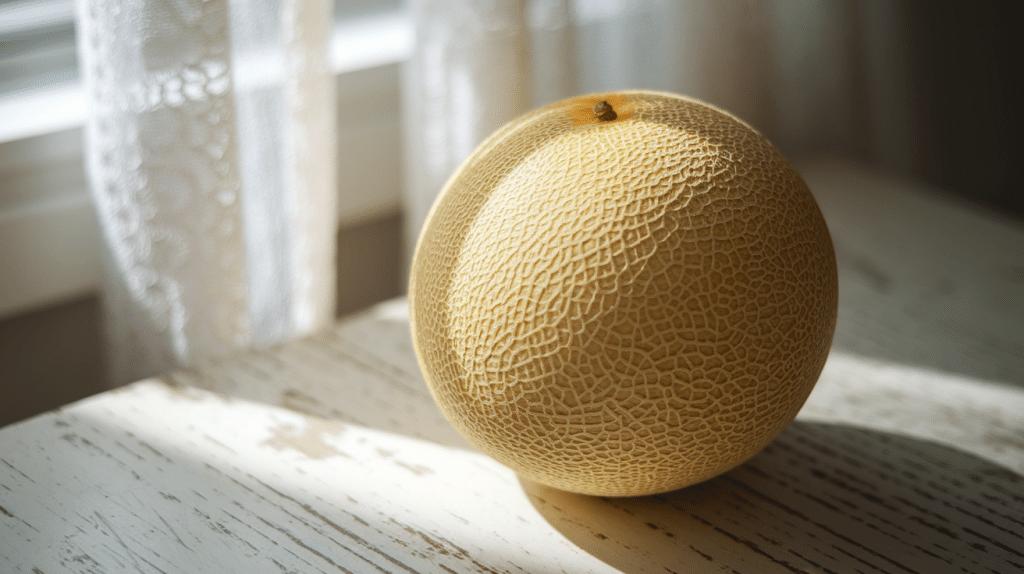
Cantaloupe is a type of melon with a netted rind and bright orange flesh. It is commonly enjoyed fresh or in fruit salads, especially during the summer months.
Origin: Cantaloupe is believed to have originated in Persia (modern-day Iran) but is now widely cultivated around the world, especially in warm climates.
Flavor: Cantaloupe has a sweet, musky flavor with a mildly tangy and refreshing taste. Its orange flesh is juicy and fragrant.
2. Cherry

Cherries are small, round fruits with a pit in the center, typically red or yellow. They are a favorite in desserts, jams, and as fresh snacks.
Origin: Cherries are native to Europe and parts of Asia, with varieties cultivated all over the world, especially in temperate regions.
Flavor: Cherries can be either sweet or tart, with a juicy, slightly tangy taste. Sweet cherries are mild and sugary, while tart varieties have a more pronounced sour flavor.
3. Clementines
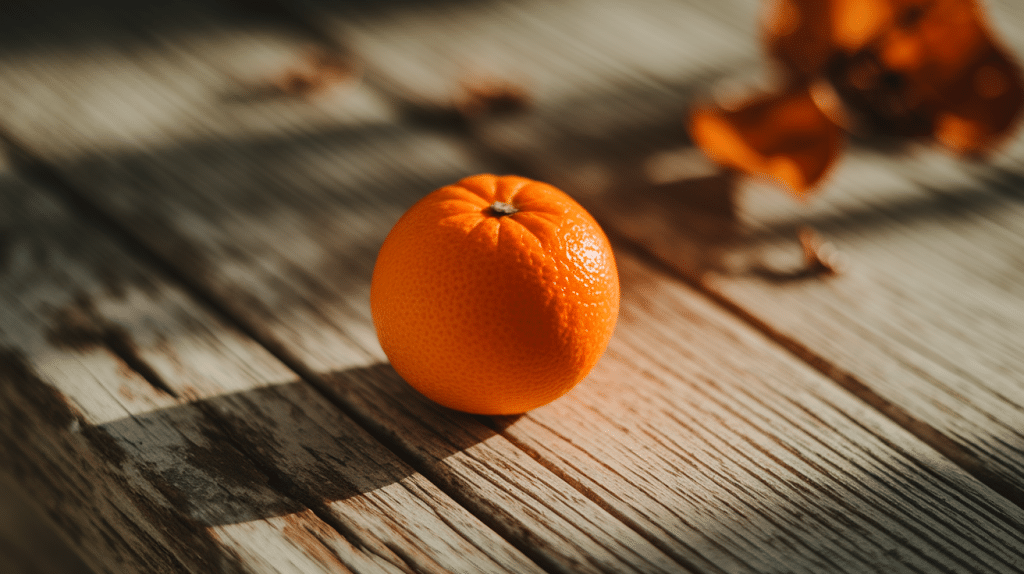
Clementines are small citrus fruits with easy-to-peel skin and seedless flesh. They are known for their refreshing and sweet taste, making them a popular snack.
Origin: Clementines are a hybrid between a mandarin and an orange, and they originated in Algeria in the early 20th century.
Flavor: Clementines have a sweet, juicy, and tangy flavor, often described as more fragrant and less acidic than other types of oranges.
4. Cranberry
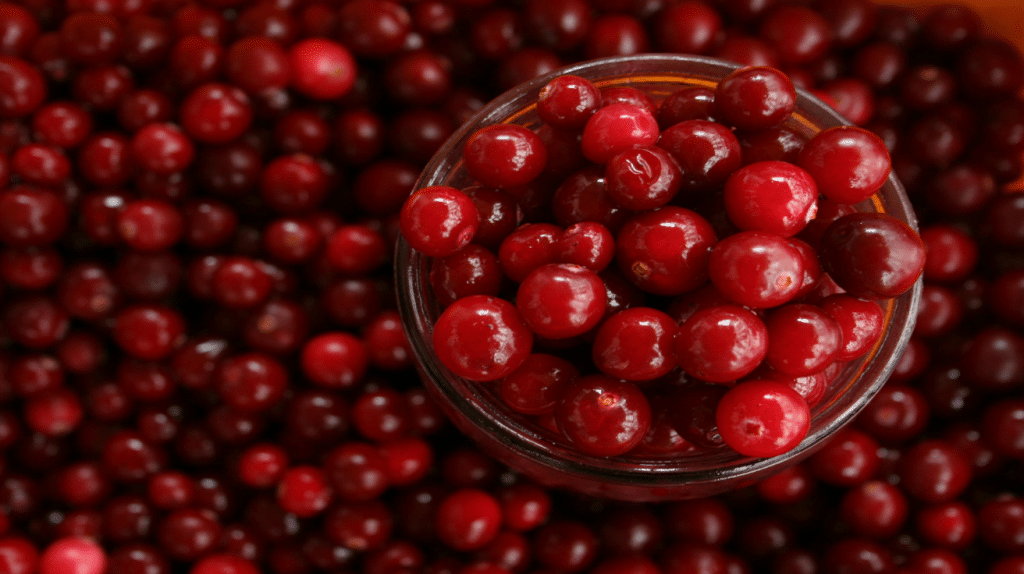
Cranberries are small, round, red berries that grow on low-lying shrubs. They are commonly used in sauces, juices, and baked goods, especially during the fall and winter months.
Origin: Cranberries are native to North America, particularly in the northeastern United States and parts of Canada.
Flavor: Cranberries are known for their tart, slightly sour flavor, which can sometimes be bitter when fresh. They are often sweetened when used in cooking.
5. Currant
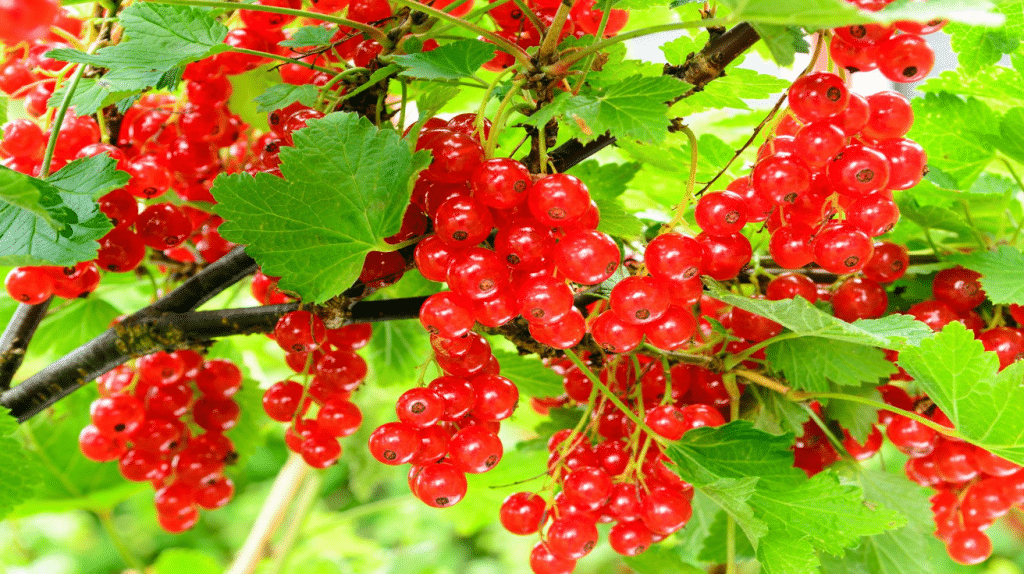
Currants are small, round berries that grow on shrubs. They are typically used in jams, jellies, and baked goods, or enjoyed fresh in desserts and salads.
Origin: Currants are native to Europe and parts of Asia. Black currants are especially common in Europe, while red and white currants are found widely around the world.
Flavor: Currants have a tart, slightly sweet flavor, depending on the variety. Red currants are often more sour, while black currants have a deeper, more intense taste.
6. Crabapple
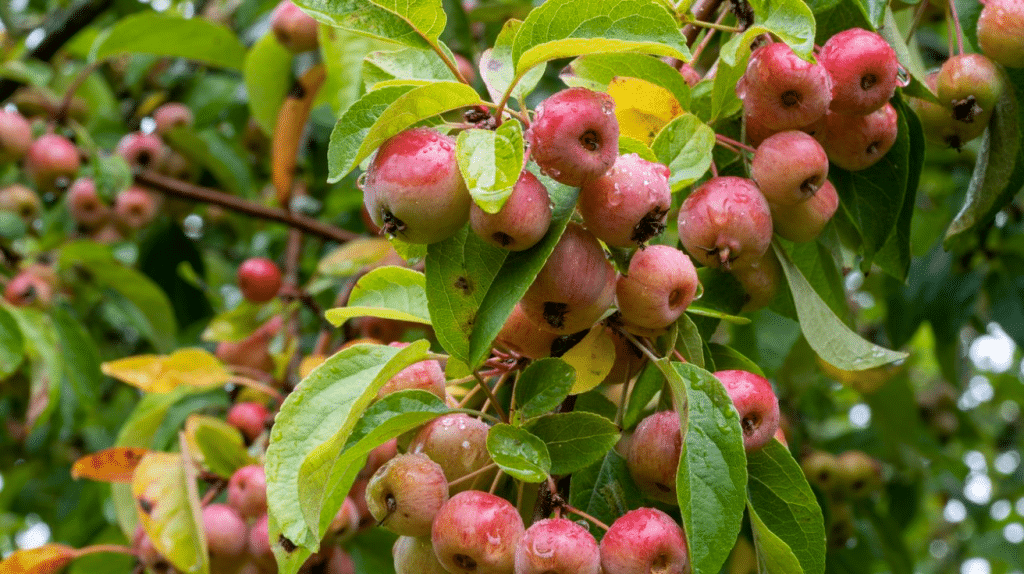
Crabapples are small, tart apples often used for making jellies or jams. They are a favorite for recipes that need a tart, flavorful ingredient.
Origin: Native to North America, but found widely across the Northern Hemisphere.
Flavor: Crabapples have a tart and sour flavor, with a slight sweetness when fully ripe.
7. Carambola
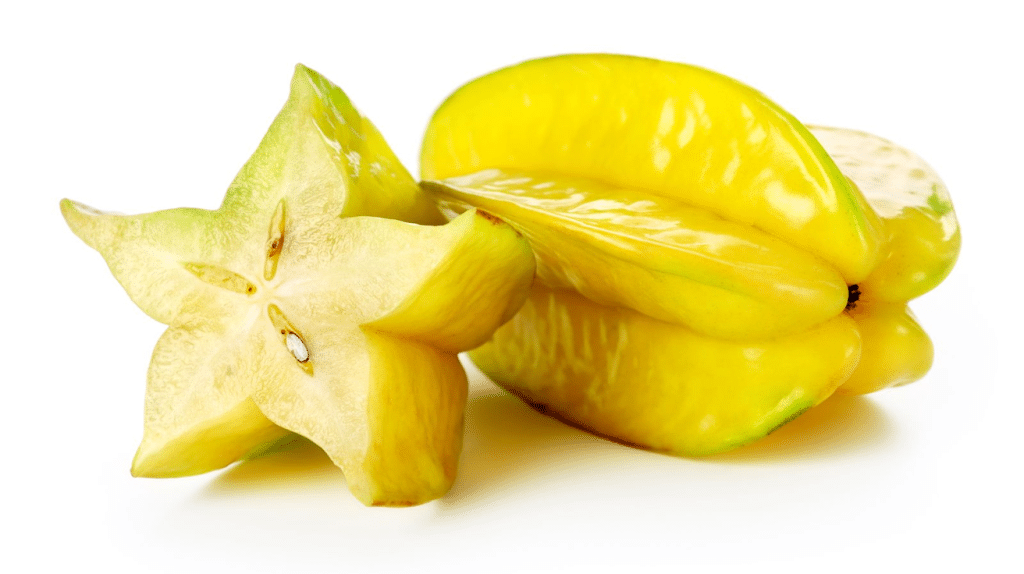
Carambola, also known as starfruit, is a tropical fruit with five ridges and a star-shaped cross-section when sliced. It is a unique fruit, often used for decoration or in fruit salads.
Origin: Native to Southeast Asia.
Flavor: Carambola has a crisp, juicy flavor that balances sweet and tart, often described as a combination of apple, pear, and citrus.
8. Custard Apple
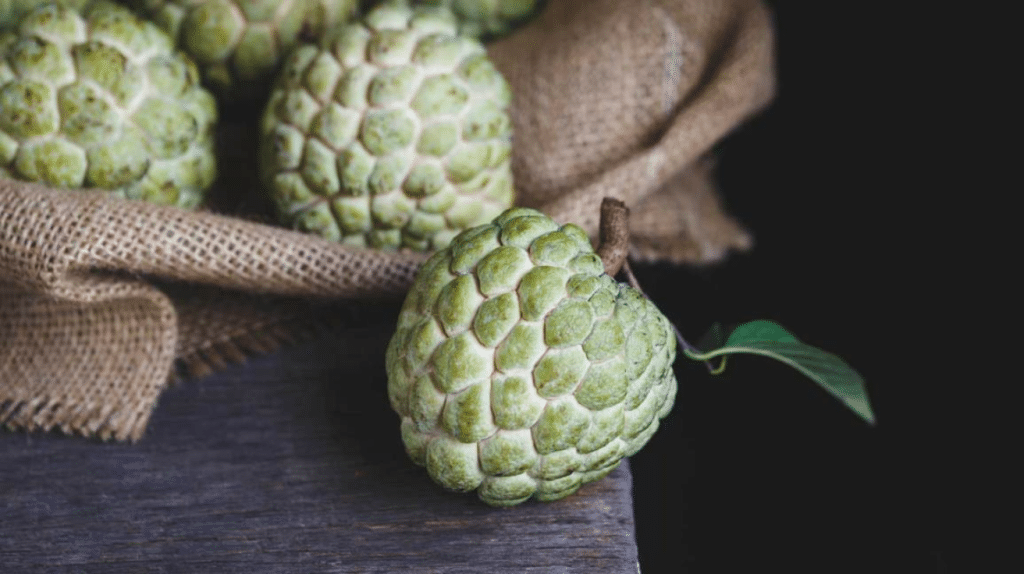
The fruit is heart-shaped with green, scaly skin and soft, creamy flesh inside, typically found in tropical and subtropical regions.
Origin: Tropical Americas and Southeast Asia.
Flavor: Sweet and creamy.
9. Canary Melon
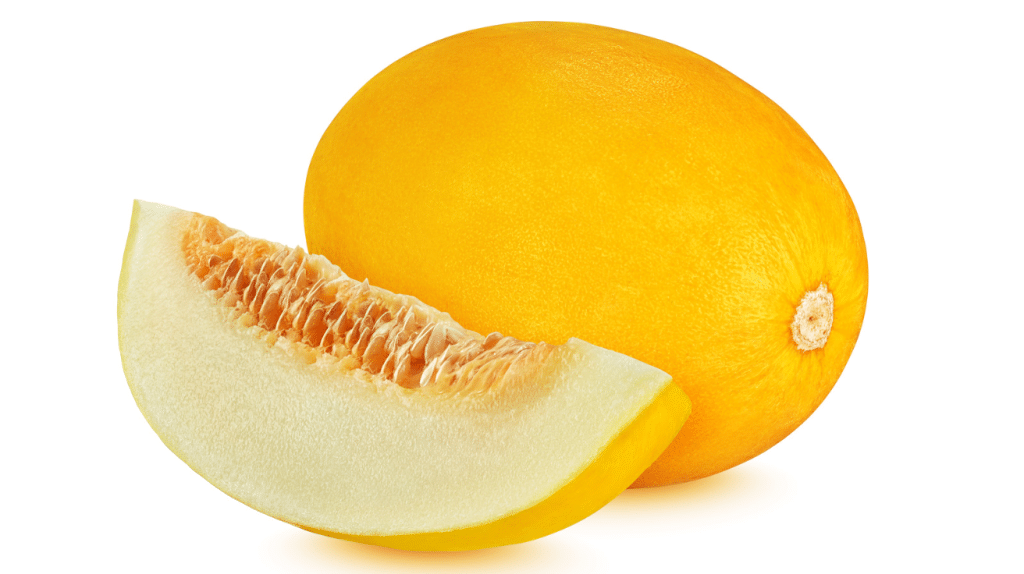
Canary melon is a bright yellow melon with a smooth rind and a sweet, juicy flesh inside. It’s often used in fruit salads or eaten fresh.
Origin: Native to Central Asia, but now widely grown in warm climates.
Flavor: Canary melon has a sweet, mild flavor with a hint of honeydew and cucumber, making it refreshingly light.
10. Crenshaw Melon
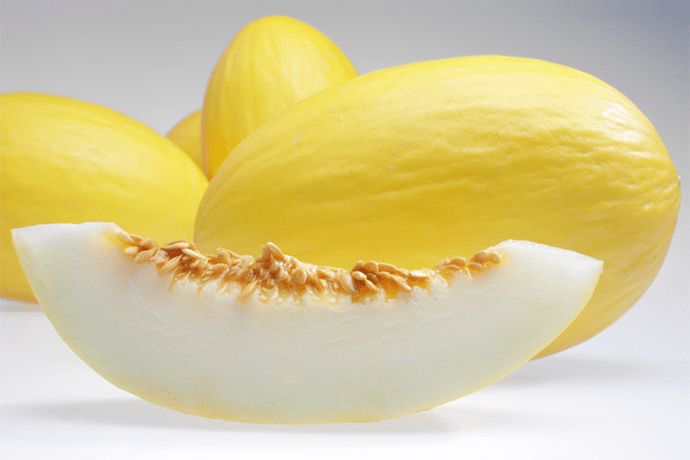
Crenshaw melon is a large, oval-shaped melon with a smooth, yellow-green rind and bright orange flesh. It has a thick skin and is often used in fruit salads or enjoyed fresh.
Origin: Native to the United States, but now widely cultivated in warm climates.
Flavor: Crenshaw melon has a sweet, honey-like flavor with a hint of cantaloupe and cucumber.
11. Canistel
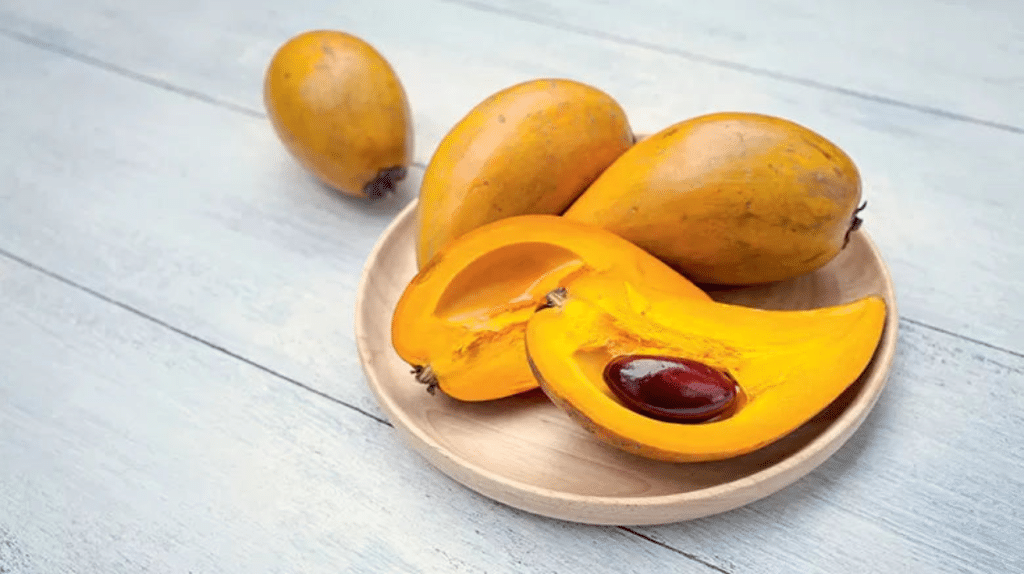
Canistel, also known as eggfruit, has bright yellow flesh with a smooth, custard-like texture. It is often used in smoothies, pies, and desserts because of its creamy consistency.
Origin: Native to Central America and Southern Mexico.
Flavor: Canistel has a sweet, creamy flavor that resembles sweet potato or pumpkin with a slightly tropical undertone.
12. Chokeberry
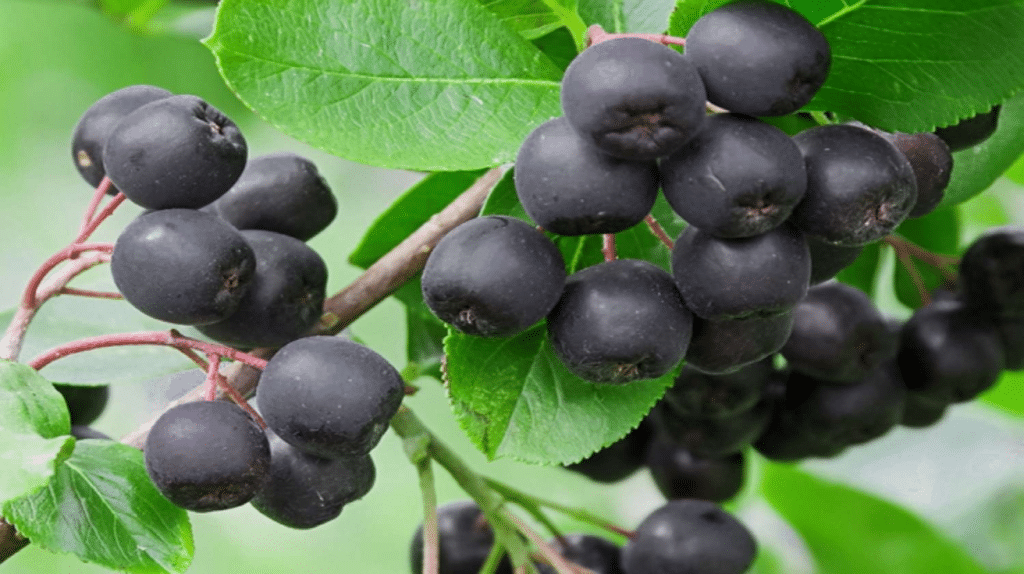
Chokeberry is a small, dark purple or black berry that grows in clusters. This fruit is often used in jams, juices, and health supplements due to its high antioxidant content.
Origin: Native to North America, particularly in the northeastern United States and parts of Canada.
Flavor: Chokeberries are very tart, with a slightly astringent taste, which makes them less commonly eaten raw.
13. Calamansi
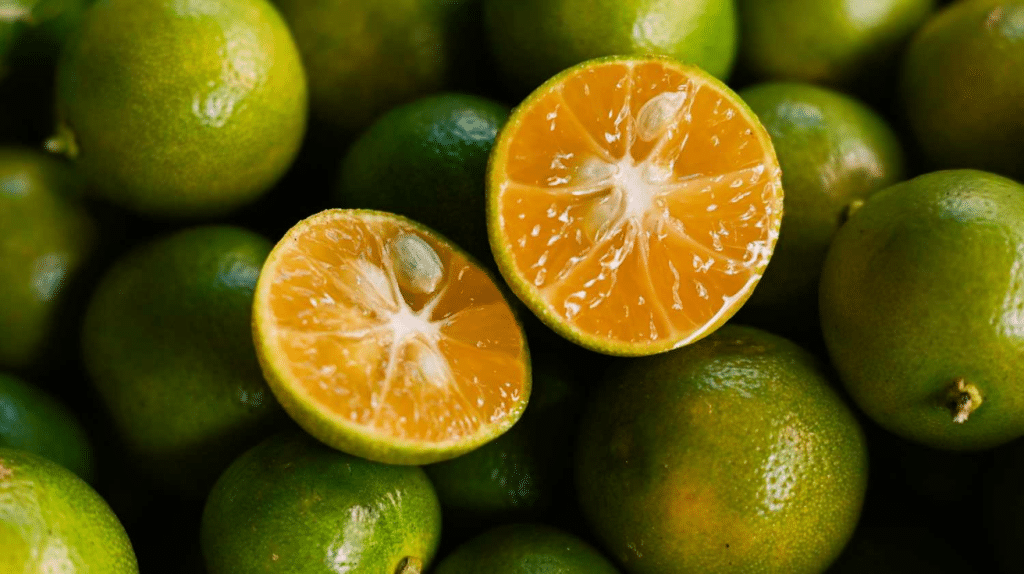
Calamansi is a small, round citrus fruit with thin green or yellow skin and a juicy pulp. It is often used in Filipino cuisine, where it adds a zesty kick to dishes and beverages.
Origin: Native to the Philippines and Southeast Asia.
Flavor: Calamansi has a tart, tangy flavor, similar to lime or lemon, often used as a souring agent in cooking.
14. Cloudberry
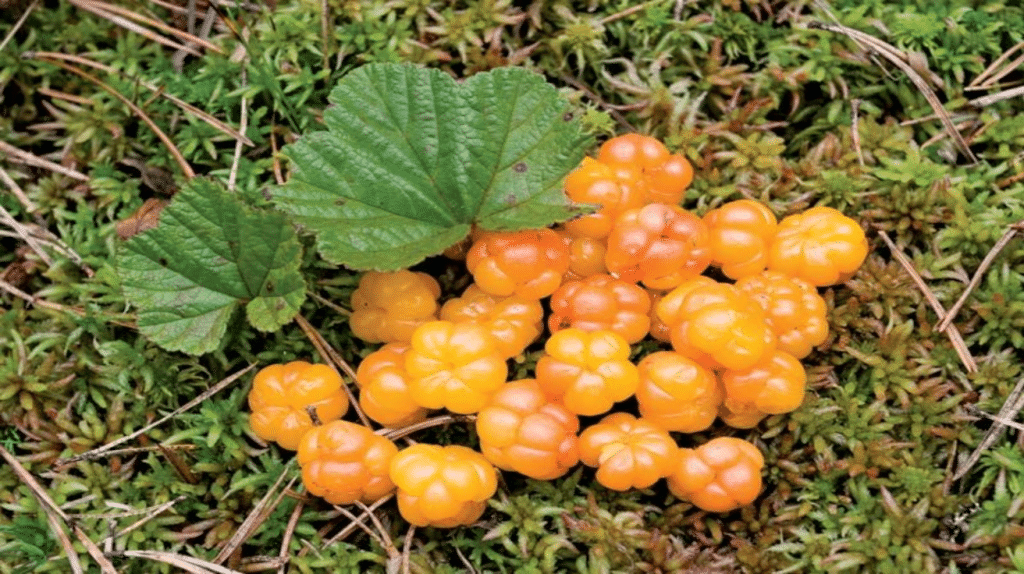
Cloudberries are small, golden-orange, raspberry-like fruits that grow in wild, cooler climates. These delicate berries are typically used in jams, desserts, and sauces.
Origin: Native to Northern Europe, Canada, and parts of Asia.
Flavor: Cloudberries have a sweet and tart flavor, with a delicate fruity taste, often compared to a combination of raspberry and cranberry.
15. Chilean Guava
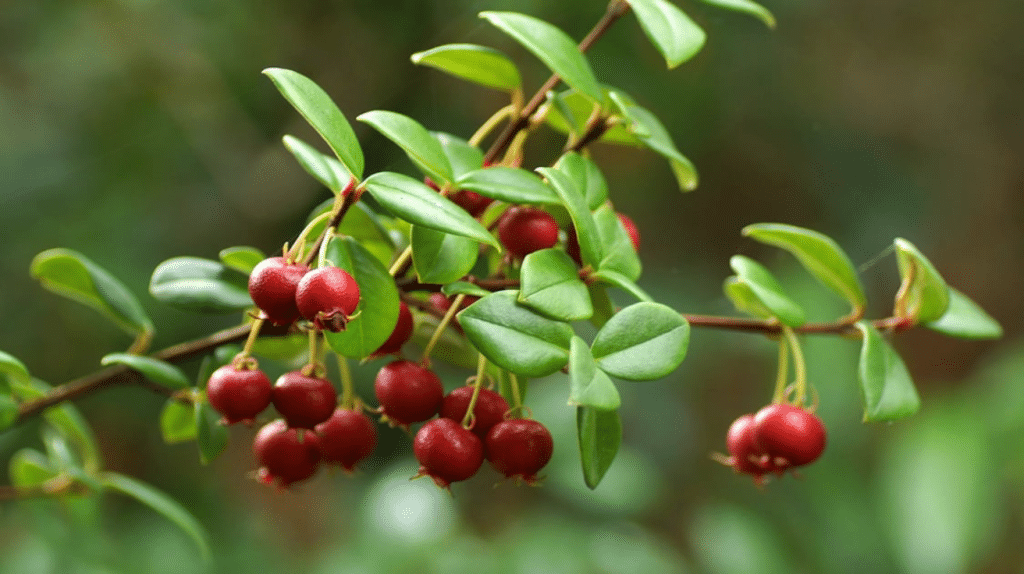
The Chilean guava, also known as Ugni molinae, is a small, round fruit that grows on a low shrub native to South America. It has a deep red to purple skin when ripe and is about the size of a blueberry.
Origin: The Chilean guava is native to the temperate regions of Chile, Argentina, and southern Brazil, particularly in the Andes Mountains.
Flavor: It has a sweet, aromatic flavor with notes of strawberry, guava, and mint. The taste is refreshing with a mild tartness, making it a favorite in culinary uses.
16. Citrofortunella
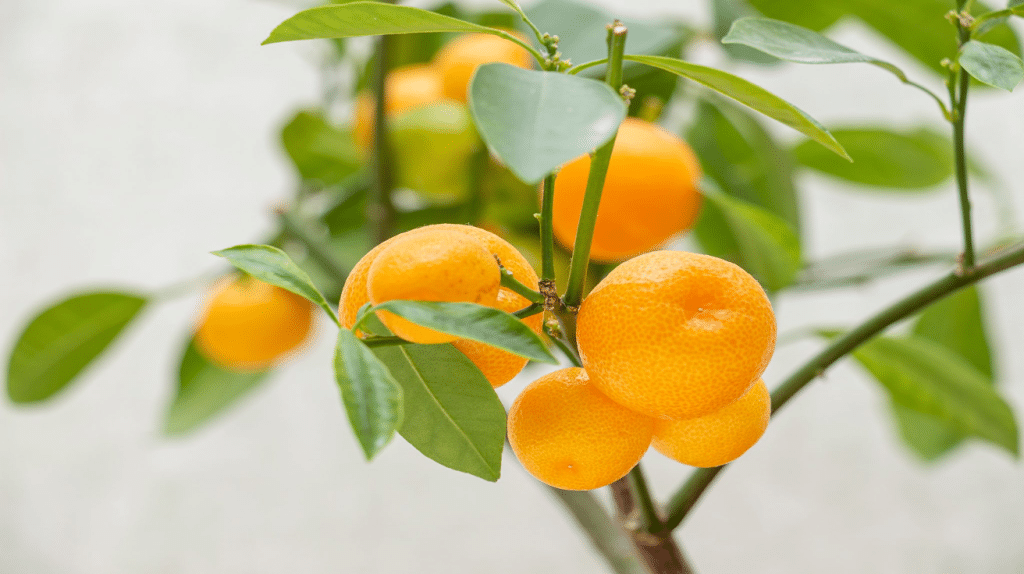
Citrofortunella, also known as calamondin, is a small citrus fruit that resembles a tiny orange with a slightly flattened shape. It has a thin, smooth skin that can range in color from green to orange when fully ripe.
Origin: Citrofortunella is native to the Philippines and is widely grown in tropical regions of Southeast Asia.
Flavor: The flavor of Citrofortunella is tart and tangy, with a hint of sweetness. It has a sharp, sour taste that is often used to add zest to sauces, drinks, and marinades.
17. Cape Gooseberry
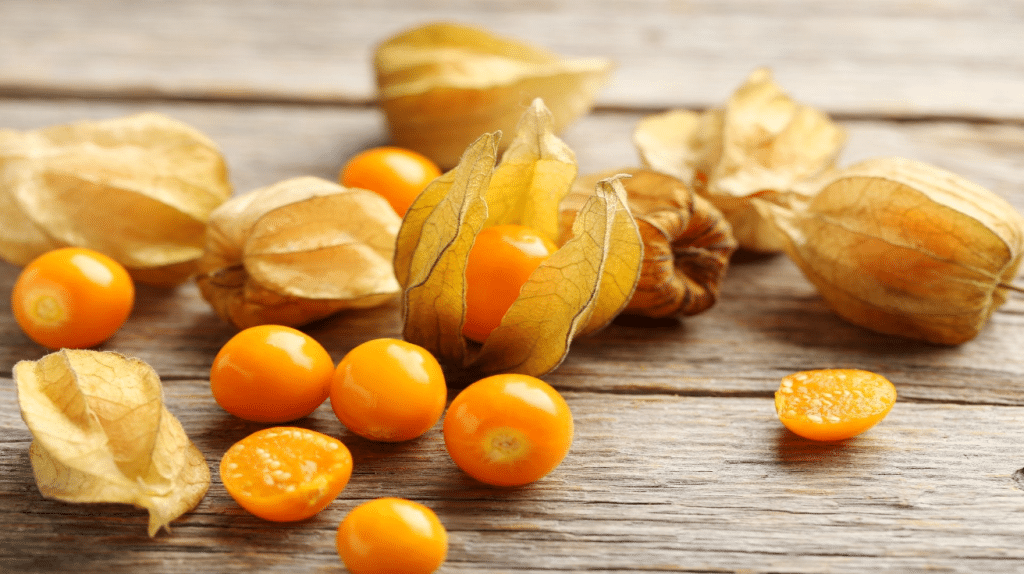
The cape gooseberry, also known as Physalis peruviana, is a small, round fruit encased in a papery husk. The fruit is often used in jams, sauces, and desserts or eaten fresh.
Origin: The cape gooseberry is native to the Andean regions of South America, particularly in Colombia, Ecuador, and Peru.
Flavor: The flavor of the cape gooseberry is a combination of sweet and tart, with citrus-like acidity and a hint of tropical fruitiness, making it a popular choice for fresh eating and cooking.
18. Cluster Fig
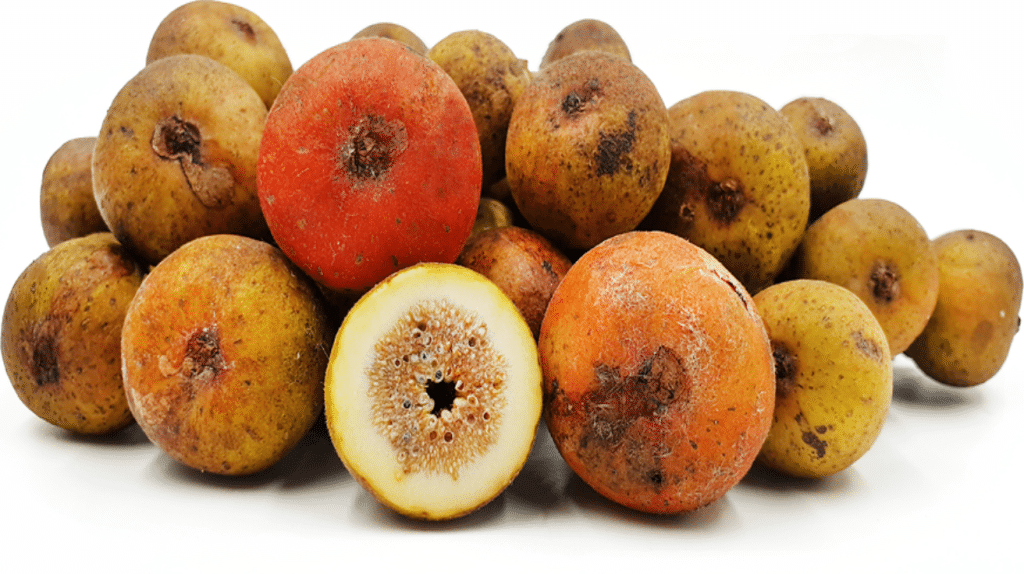
The cluster fig, also known as Ficus racemosa, is a small, round fruit that grows in clusters on the branches of the tree. It has a green to yellowish skin when ripe, and its flesh is juicy and sweet, often used in both savory and sweet dishes.
Origin: The cluster fig is native to the Indian subcontinent and Southeast Asia, including regions of India, Bangladesh, and Sri Lanka.
Flavor: The cluster fig has a sweet and slightly tangy flavor, with a mild, fig-like taste that is often described as refreshing and aromatic. The fruit is commonly used in jams, chutneys, and traditional dishes.
19. Crowberry
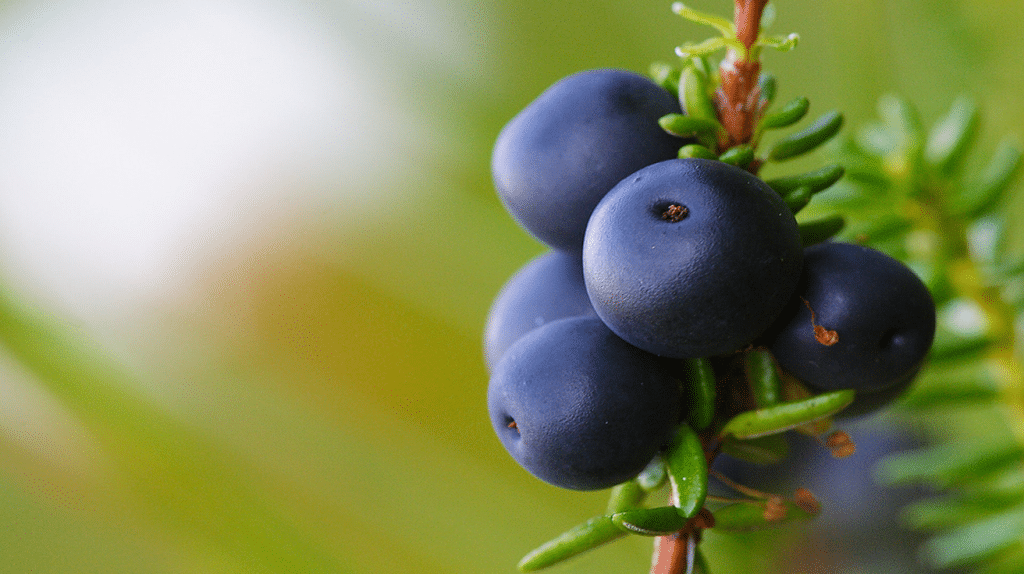
The crowberry, also known as Empetrum nigrum, is a small, dark purple to black berry that grows in clusters on low shrubs. The fruit is often found in cold, northern regions and is commonly used in jams, jellies, and beverages.
Origin: Crowberry is native to the Arctic and sub-Arctic regions, including parts of North America, Europe, and Asia.
Flavor: Crowberries have a mildly sweet, slightly tart flavor, often compared to that of blueberries but with a more earthy undertone.
20. Coffee Fruit
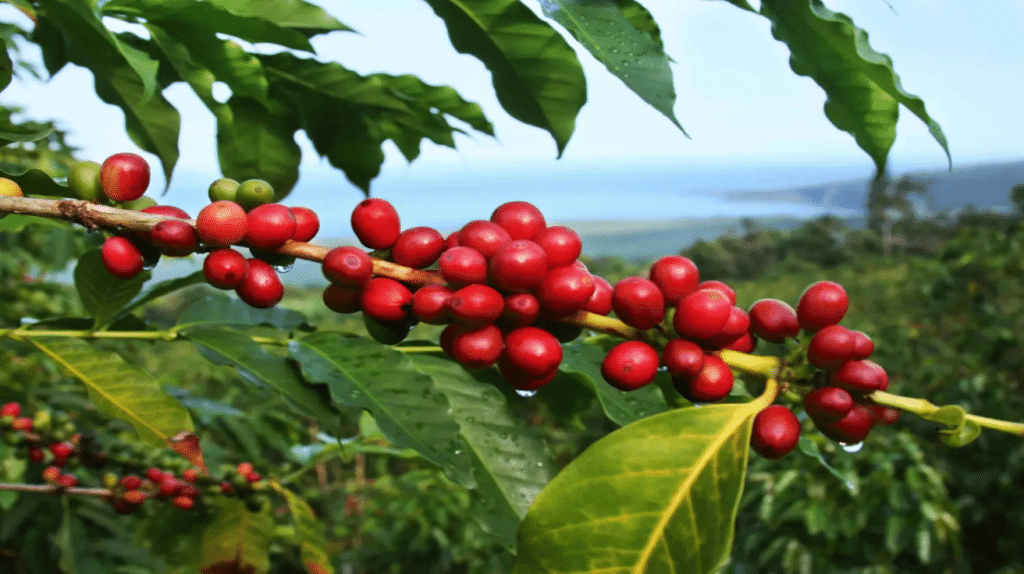
The coffee fruit, or Coffea, refers to the fruit of the coffee plant. It contains a seed known as the coffee bean, which is roasted to make coffee. The fruit itself is a small, red or yellow berry, and it is less commonly consumed.
Origin: The coffee fruit is native to tropical Africa but is now widely cultivated in regions with suitable climates, such as Central and South America, Southeast Asia, and parts of India.
Flavor: The flavor of the coffee fruit is sweet with hints of berry-like tartness, quite different from the flavor of the coffee bean.
21. Chinese Quince
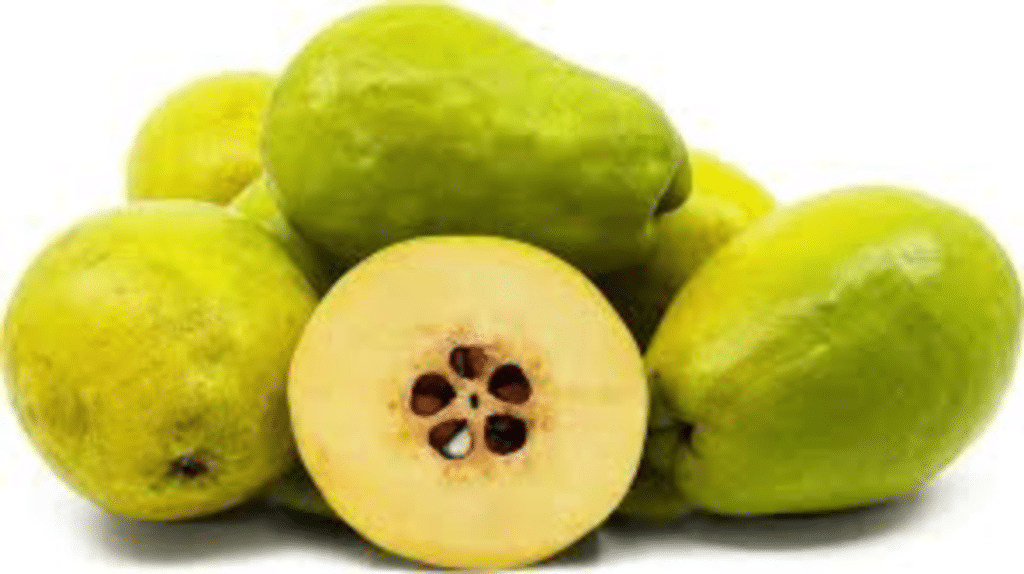
The Chinese Quince, or Pseudocydonia sinensis, is a large, round fruit with a thick, yellow-green skin. It is typically used in cooking rather than eaten raw, due to its hard texture and tart flavor.
Origin: Native to China and other parts of East Asia.
Flavor: The Chinese Quince has a tart, astringent flavor when raw, often compared to that of a very sour apple. It becomes more palatable when cooked, offering a sweet and fragrant taste.
22. Corozo Palm Fruit
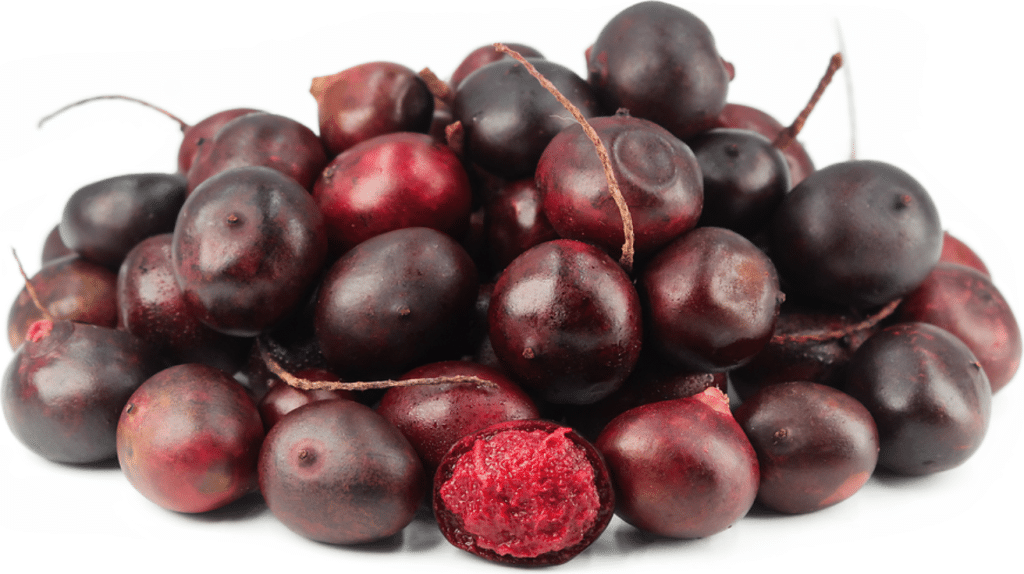
The Corozo Palm Fruit, or Attalea maripa, is a reddish-orange fruit that grows on the Corozo palm tree in tropical regions. It is oval-shaped and has fibrous flesh inside, often used for making drinks or as a snack.
Origin: The Corozo palm fruit is native to the Amazon Rainforest in South America, particularly in Brazil and Venezuela.
Flavor: The fruit has a mildly sweet and earthy flavor, often compared to other tropical fruits but with a more subtle sweetness.
23. Calabura
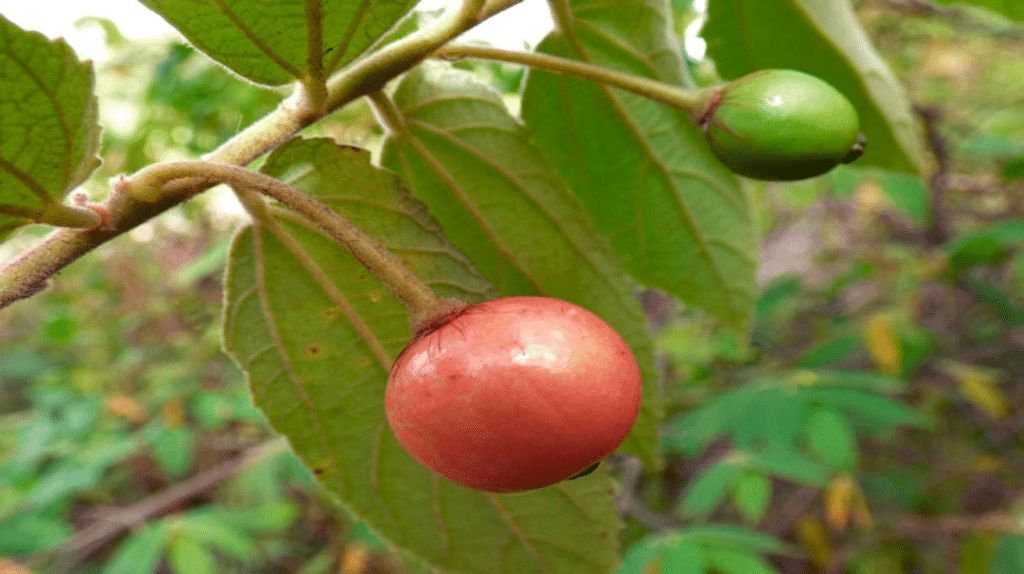
The Calabura, or Myrciaria dubia, is a small, round fruit that is usually red or purple when ripe. It has a juicy and sweet taste, and the fruit is often eaten fresh or used in juices.
Origin: The Calabura is native to tropical regions of South America, particularly the Amazon Basin in Brazil.
Flavor: The flavor of Calabura is sweet with a slightly tangy note, similar to a combination of guava and berry.
24. Chinese White Pear
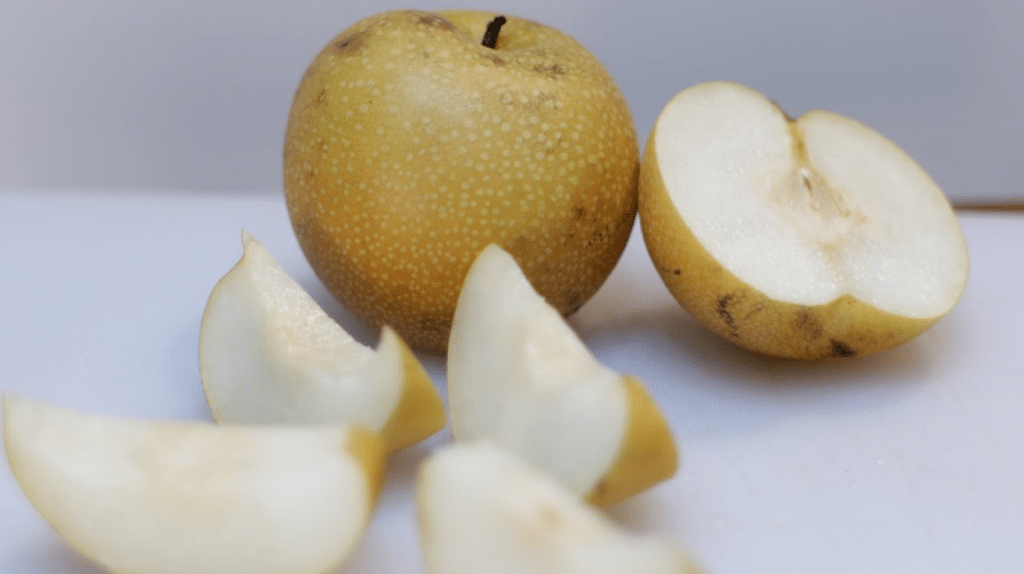
The Chinese White Pear, or Pyrus bretschneideri, is a round, crisp fruit with smooth, pale yellow to white skin. It is known for its juicy, refreshing texture and mild sweetness.
Origin: Native to China and other parts of East Asia.
Flavor: The Chinese White Pear has a mildly sweet, refreshing flavor with a subtle floral undertone. It is less tart than other pear varieties and has a crisp, watery texture.
Wrapping It Up!
Who knew the letter “C” could offer so many delicious options?
From common cherries to rare cherimoya, these fruits show just how varied nature’s “C” offerings are.
Some might already be favourites in your kitchen, while others might be new names to try on your next shopping trip. Either way, they each bring their own flavors, textures, and health benefits to the table.
Next time you’re at the grocery store or farmers market, maybe grab one of these “C” fruits you’ve never tried before. Small food experiments keep meals interesting and might just lead to a new favorite.
Perfect for snacking, cooking, or adding to smoothies, these fruits have something special to offer. Happy fruit hunting!