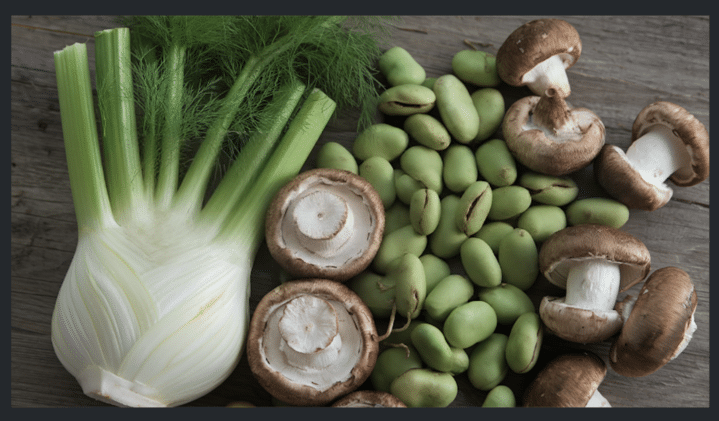

When it comes to exploring the world of fruits, the letter “F” brings an appealing variety of flavors and textures.
From the juicy sweetness of figs to the tangy zest of finger bananas, fruits that start with F will enhance your taste buds.
These fruits not only offer delightful flavors but are also packed with essential nutrients that support overall health.
In this list, we will look at the wide variety of fruit names that start with F, bringing you everything you need to know about their origins, flavors, and nutritional benefits.
Get ready to find some delicious and unique options to add to your next meal or snack!
Popular Fruits that Start from F
1. Fig

Figs are naturally sweet and tender fruits with a distinct honey-like taste. Their flesh is juicy, dotted with tiny seeds, and surrounded by a smooth, edible skin. Enjoyed fresh or dried, figs add a rich texture to many dishes.
Origin: Native to Western Asia and the Middle East.
Taste: Mildly earthy and sweet, with subtle floral notes.
Nutritional Benefits: Rich in fiber, vitamins (particularly vitamin K), and minerals like potassium and magnesium. Figs promote digestive health and support heart health by regulating blood pressure.
2. Feijoa
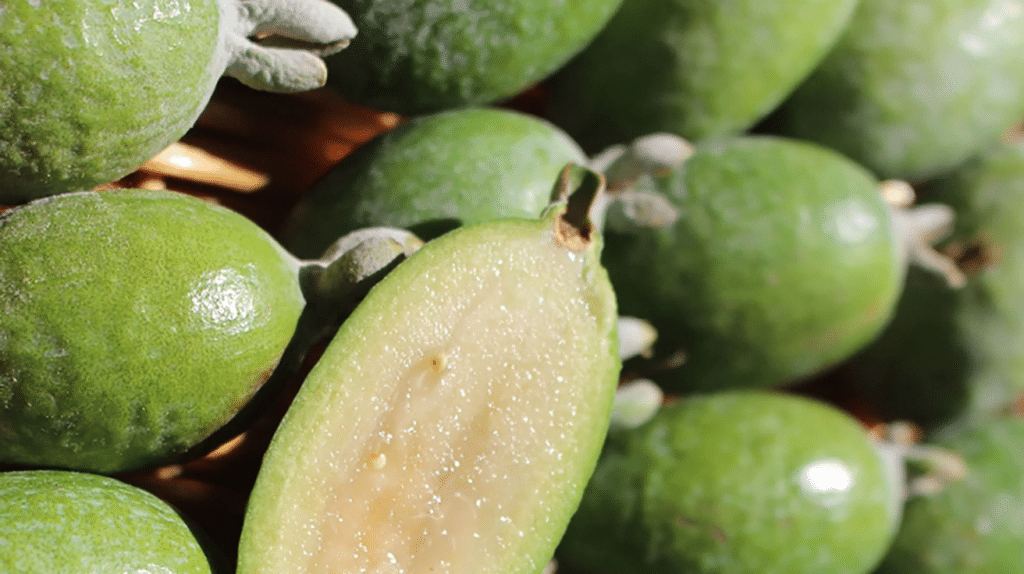
Feijoa, also known as pineapple guava, is a small green fruit with a sweet and tangy flavor, combining notes of mint, apple, and pineapple. It’s typically enjoyed fresh or in desserts.
Origin: Native to southern Brazil, Colombia, and northern Argentina.
Taste: A refreshing mix of tangy sweetness with hints of mint, apple, and pineapple.
Nutritional Benefits: High in vitamin C, fiber, and antioxidants, it aids in digestion and strengthens the immune system.
3. Finger Lime
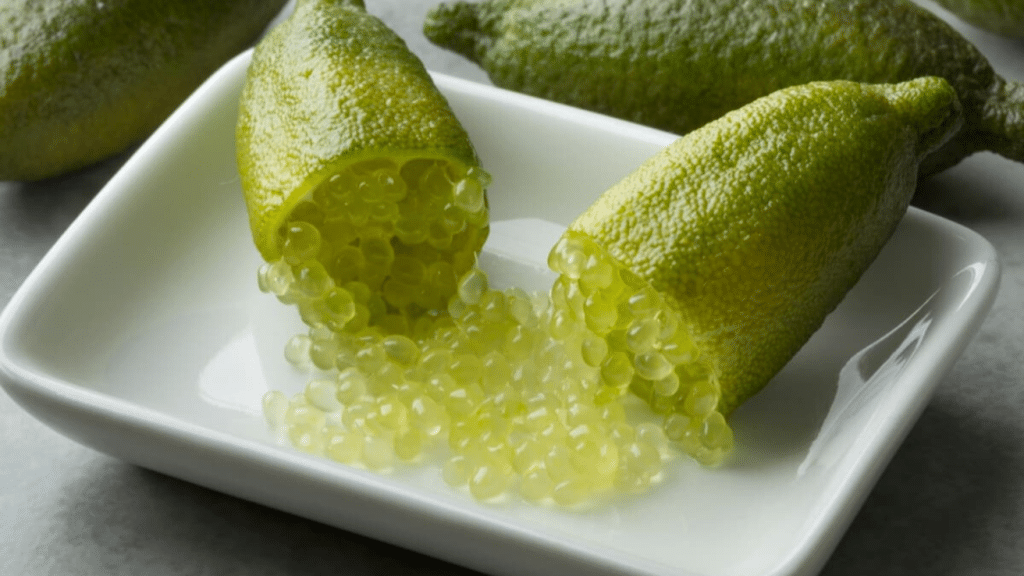
Finger lime, also known as “citrus caviar,” is a small, elongated fruit with a tangy flavor and a unique, juicy texture similar to caviar. It’s commonly used in garnishes, cooking, and drinks.
Origin: Native to Australia.
Taste: Tart and tangy, with a mild lemon-lime zest.
Nutritional Benefits: Packed with vitamin C, antioxidants, and fiber, supporting immune health and aiding digestion.
4. Florida Avocado
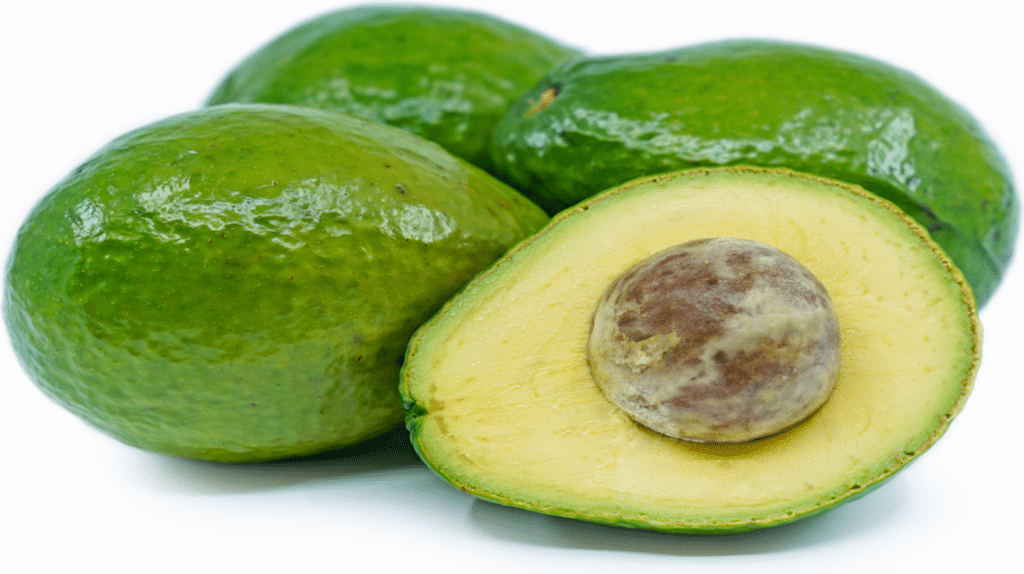
Florida avocados are larger and smoother than other varieties, offering a mild, buttery flavour and creamy texture. They’re commonly used in salads or served as a side dish.
Origin: Native to Florida, USA.
Taste: Mild and creamy.
Nutritional Benefits: Rich in healthy fats, fiber, and potassium, promoting heart health and aiding nutrient absorption.
5. Flat Peach
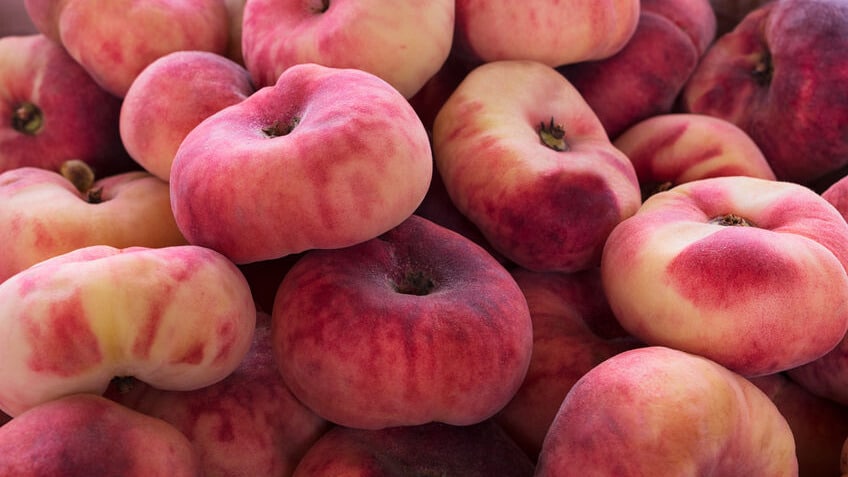
Flat peaches, also known as doughnut peaches, have a unique, round, flattened shape and a sweet, juicy taste. Their fragrant flesh is perfect for fresh consumption or desserts.
Origin: Native to China, now grown worldwide.
Taste: Mildly sweet with a juicy, refreshing texture.
Nutritional Benefits: Rich in vitamin C, fiber, and antioxidants, supporting skin health and digestion.
6. Farkleberry
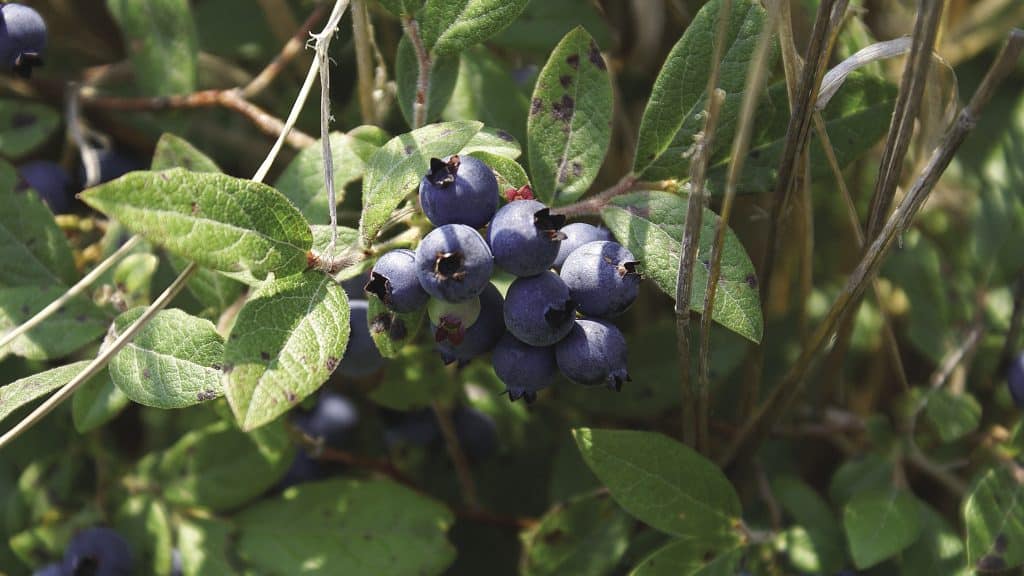
Farkleberry is a small, dark berry found in the wild, often used for making jams or flavouring beverages. Its tartness makes it perfect for various culinary applications.
Origin: Found in North America.
Taste: Tart and slightly astringent, with earthy undertones.
Nutritional Benefits: Packed with antioxidants, vitamin C, and fiber, supporting immune health and aiding digestion.
7. Fat Hen (Wild Spinach)

Fat Hen, also known as wild spinach, is a leafy green plant often foraged in the wild. It has a delicate flavor that hints at fresh garden greens and is rich in nutrients.
Origin: Native to Europe, Asia, and North America.
Taste: Mild, slightly earthy, and similar to spinach.
Nutritional Benefits: High in vitamin A, vitamin C, and iron. Supports vision health and boosts immunity.
8. Fragrant Melon

Fragrant melon is a type of melon known for its sweet, aromatic scent and refreshing, juicy flesh. Its delicate fragrance entices the senses and is often used in fruit salads or enjoyed fresh.
Origin: Native to Asia, now grown in various tropical regions.
Taste: Sweet, aromatic, with a juicy texture.
Nutritional Benefits: High in vitamins A and C, antioxidants, and water content. Helps with hydration and supports immune health.
9. Fuyu Persimmon
Fuyu persimmons are sweet, non-astringent fruits that can be eaten while firm. With their smooth, orange skin and rich, honey-like flavor, they provide a delightful treat for the taste buds.
Origin: Native to Japan.
Taste: Sweet with a mild tang.
Nutritional Benefits: Rich in vitamin A, vitamin C, and fiber. Promotes eye health and supports digestion.
10. Forest Strawberries
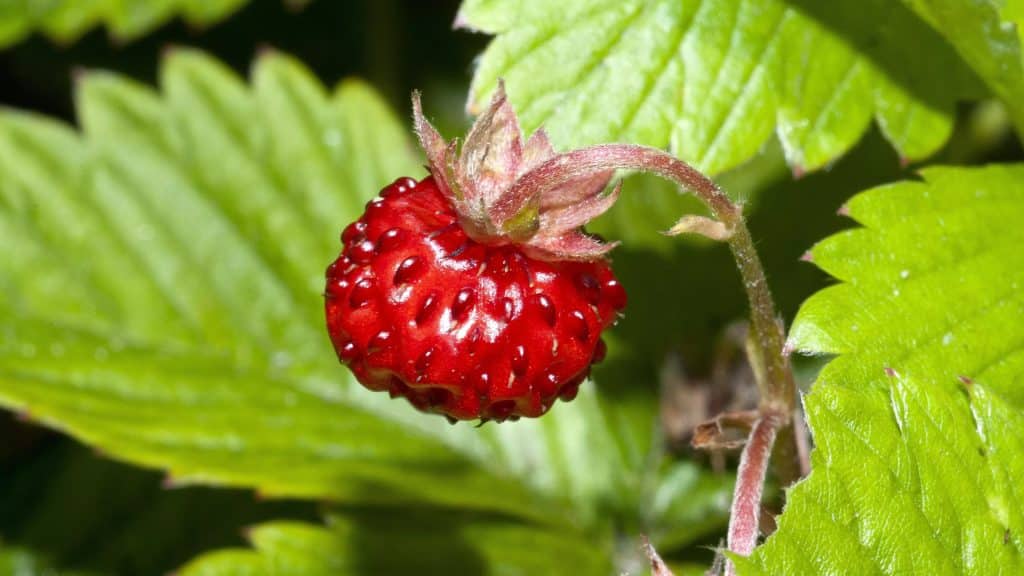
Forest strawberries, also known as wild strawberries, are small, fragrant berries found in woodlands. Their intensely sweet flavor and aromatic essence make them perfect for fresh consumption or jams.
Origin: Native to North America and Europe.
Taste: Aromatic and more intense than cultivated strawberries.
Nutritional Benefits: High in vitamin C, antioxidants, and fiber. Helps boost immunity and improve skin health.
11. Fox Grape
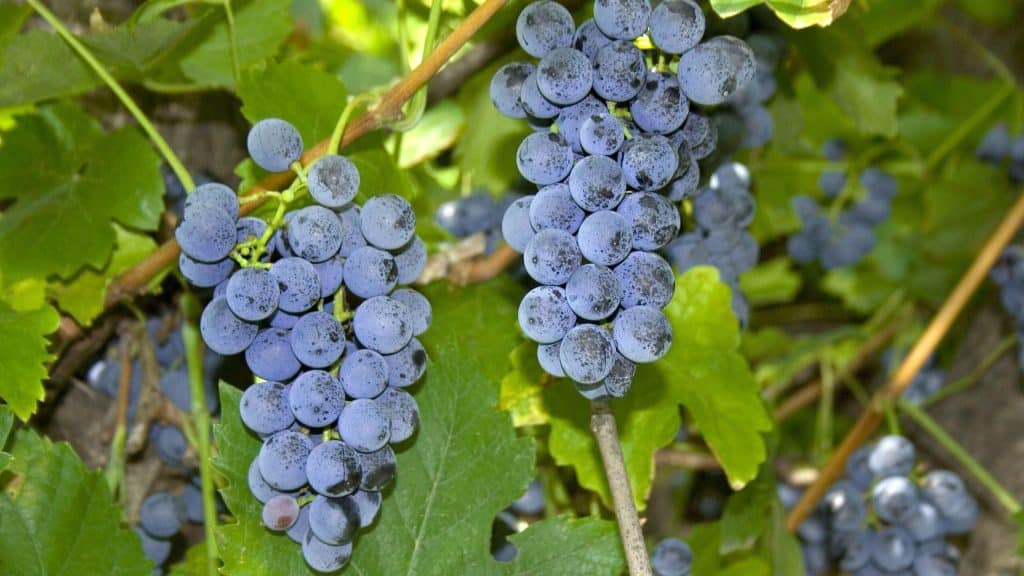
Fox grapes are small, round berries that grow in clusters. Their distinct flavor blends sweetness with a tangy zest, making them a great addition to various culinary creations.
Origin: Native to North America.
Taste: Sweet with a tart finish.
Nutritional Benefits: Rich in vitamin C, potassium, and antioxidants. Supports heart health and helps fight inflammation.
12. Frieda’s Dragon Fruit
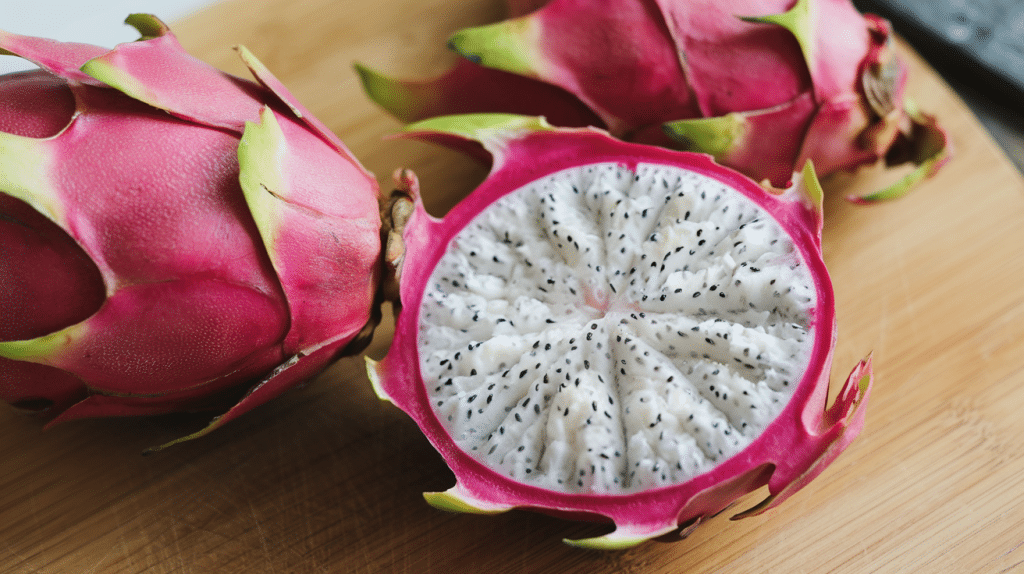
Frieda’s Dragon Fruit, also known as pitaya, is a striking fruit with vibrant pink skin and white or red flesh speckled with tiny black seeds. It has a delicate flavour that embodies tropical freshness.
Origin: Native to Central America, now grown in many tropical regions.
Taste: Mildly sweet and refreshing, with a slight tang.
Nutritional Benefits: High in vitamin C, antioxidants, and fiber. Boosts immune function and aids digestion.
13. Frost Grape

Frost grapes are small, sweet grapes that thrive in colder climates, often used in winemaking. Their distinctive flavor captures the essence of crisp, winter-touched fruit.
Origin: Native to North America.
Taste: Sweet, fruity, with a hint of tartness.
Nutritional Benefits: Rich in antioxidants, vitamins C and K. Supports heart health and boosts immune function.
14. Finger Banana
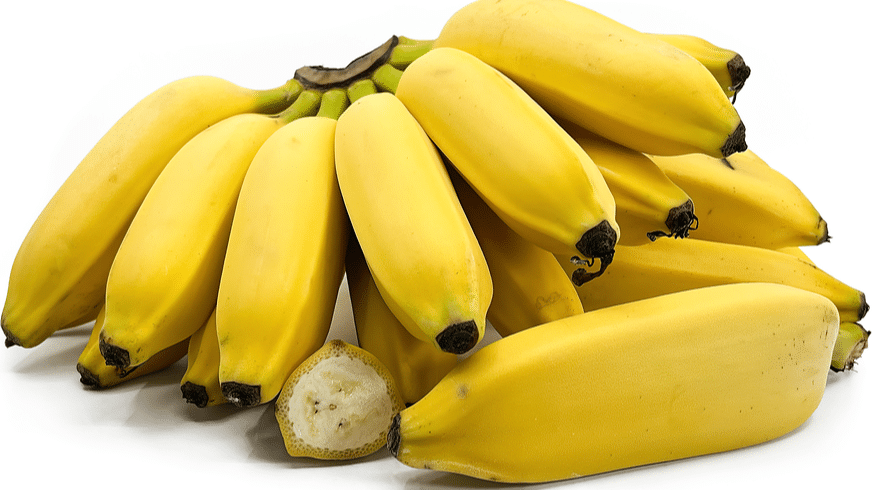
Finger bananas, also known as “baby bananas,” are smaller and sweeter than regular bananas. Their delightful flavor adds a subtle sweetness to various culinary creations.
Origin: Native to Southeast Asia.
Taste: Sweet and Creamy.
Nutritional Benefits: High in potassium, vitamin B6, and fiber. Supports heart health and helps regulate blood pressure.
15. Fruit Salad Plant
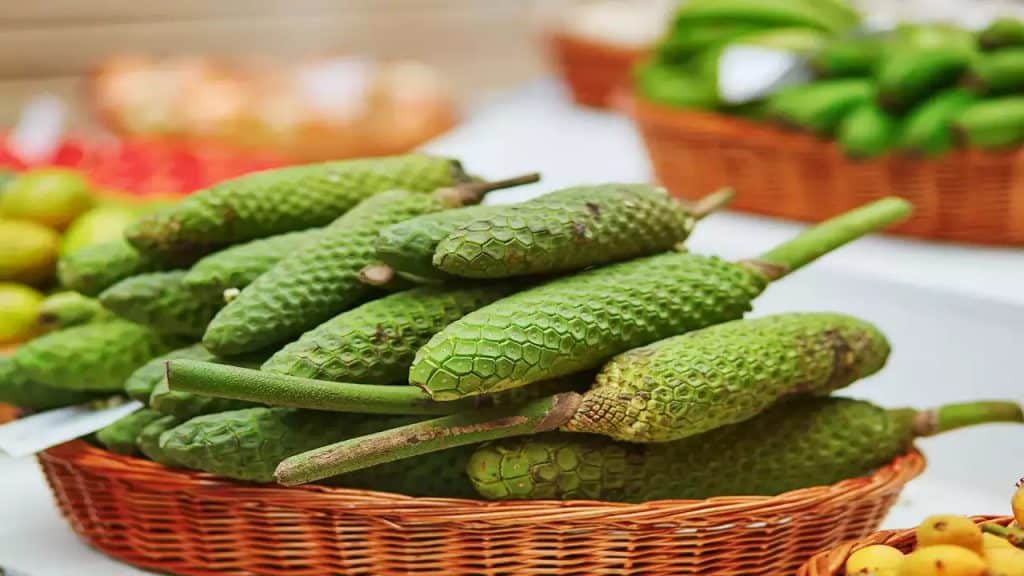
Fruit salad plant, also known as “Monstera Deliciosa,” is a tropical plant that produces large, green fruit resembling a mix of pineapple and banana. The fruit offers a unique flavor that embodies the essence of tropical paradise.
Origin: Native to Central America.
Taste: Sweet, tropical, with hints of pineapple and banana.
Nutritional Benefits: High in vitamin C, antioxidants, and fiber. Supports immune function and aids digestion.
16. Fuji Apple
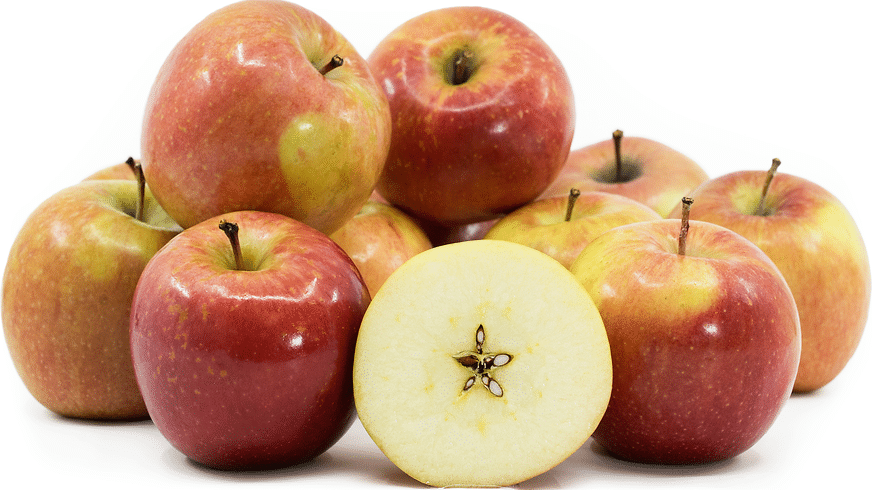
Fuji apples are known for their crisp, juicy texture and balanced sweetness. They offer a delightful flavor that makes them perfect for snacking, baking, or making applesauce.
Origin: Developed in Japan.
Taste: Sweet, crisp, with a subtle tartness.
Nutritional Benefits: Rich in fiber, vitamin C, and antioxidants. Promotes heart health and supports digestive function.
17. Forest Pineapple
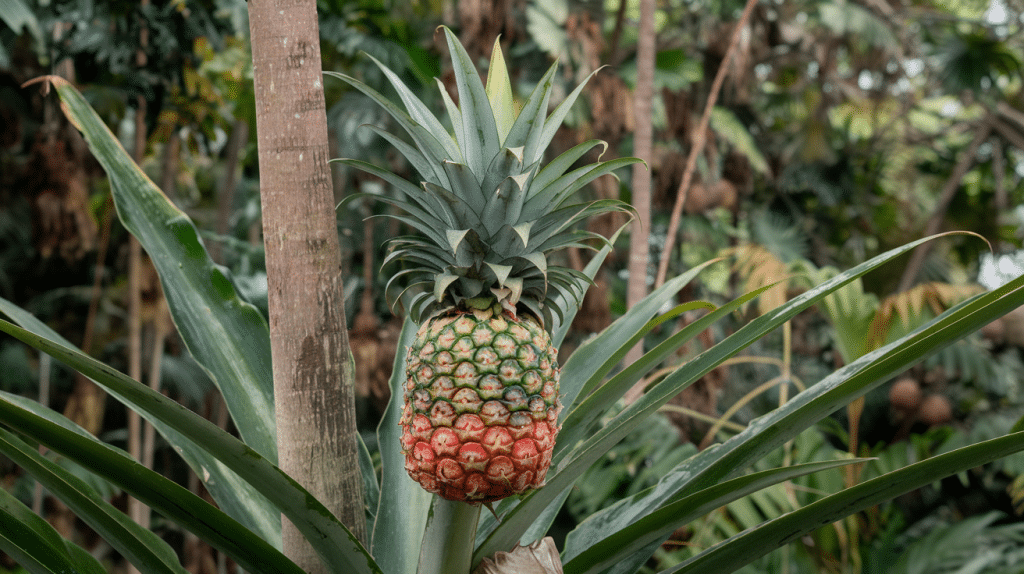
Forest pineapples, also known as wild pineapples, are smaller and sweeter than their cultivated counterparts. They offer a distinctive flavor that embodies the essence of tropical wilderness.
Origin: Native to tropical regions, primarily in South America.
Taste: Sweet and tangy.
Nutritional Benefits: High in vitamin C, manganese, and antioxidants. Supports immune health and aids digestion.
18. Flavonoid-rich Apple
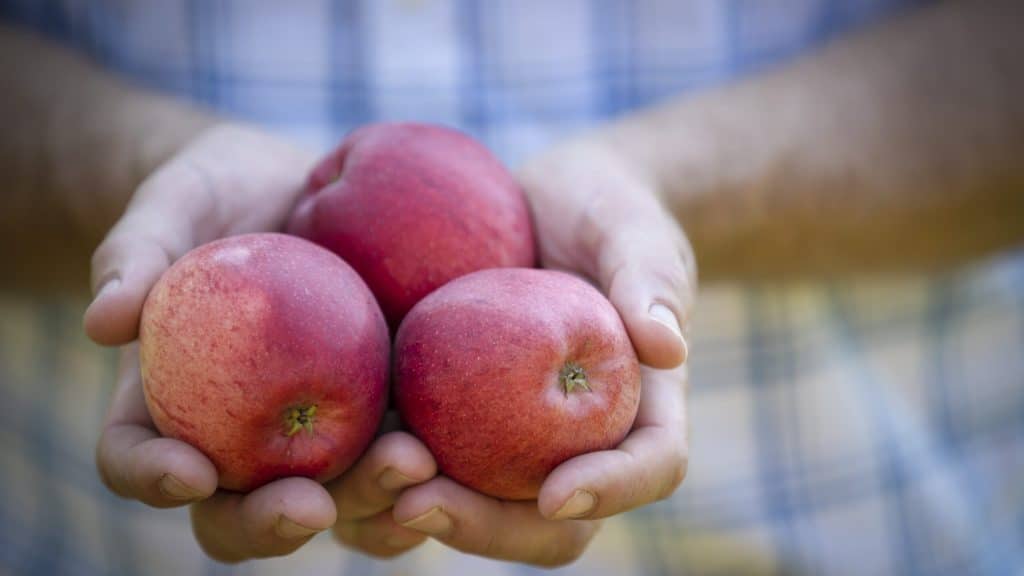
Flavonoid-rich apples are varieties of apples with higher levels of flavonoids, plant compounds known for their antioxidant properties. These apples offer a vibrant flavor that balances sweetness and tartness.
Origin: Grown worldwide in temperate climates.
Taste: Sweet and tart.
Nutritional Benefits: Rich in flavonoids, vitamin C, and fiber. Helps combat inflammation and supports heart health.
19. French Sorrel

French sorrel is a leafy green herb with a distinctive flavour that adds a zesty brightness to culinary creations. It’s often used in salads, soups, and sauces for its sharp, refreshing taste.
Origin: Native to Europe and parts of Asia.
Taste: Tangy, lemon-like, with a slightly sour note.
Nutritional Benefits: High in vitamin C, iron, and antioxidants. Promotes healthy skin and supports immune function.
20. Fraser Fir

The Fraser Fir is primarily known as a tree, but its small edible seeds have been used in some regions for flavouring or as a treat. The tree is also celebrated for its aromatic scent.
Origin: Native to the Appalachian Mountains in North America.
Taste: Aromatic, with a fresh, piney scent.
Nutritional Benefits: Not typically consumed for nutrition, but the essential oils from the tree are used for medicinal purposes, particularly to support respiratory health.
21. Firethorn

Firethorn is a small, berry-producing shrub with bright red or orange berries. Its distinctive flavour adds an unexpected twist to culinary creations, particularly in jams and preserves.
Origin: Native to Europe and Asia.
Taste: Tart and slightly bitter.
Nutritional Benefits: High in vitamin C and antioxidants. Helps boost immunity and supports cardiovascular health.
22. Fababean
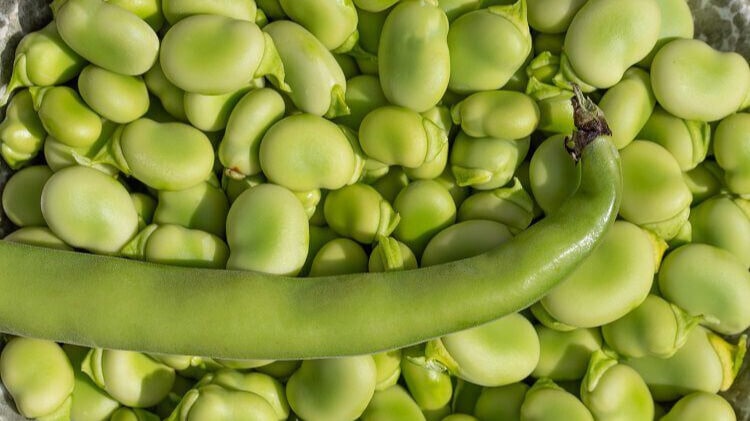
The faba bean is a leguminous plant that produces large, flat, edible seeds. Its unique flavour adds depth and complexity to various culinary dishes, particularly in Mediterranean and Middle Eastern cuisines.
Origin: Native to North Africa and parts of Western Asia.
Taste: Nutty, earthy, with a slight sweetness when cooked.
Nutritional Benefits: High in protein, fiber, and vitamins B and C. Promotes muscle growth, supports digestive health, and boosts energy.
23. Fennel Fruit
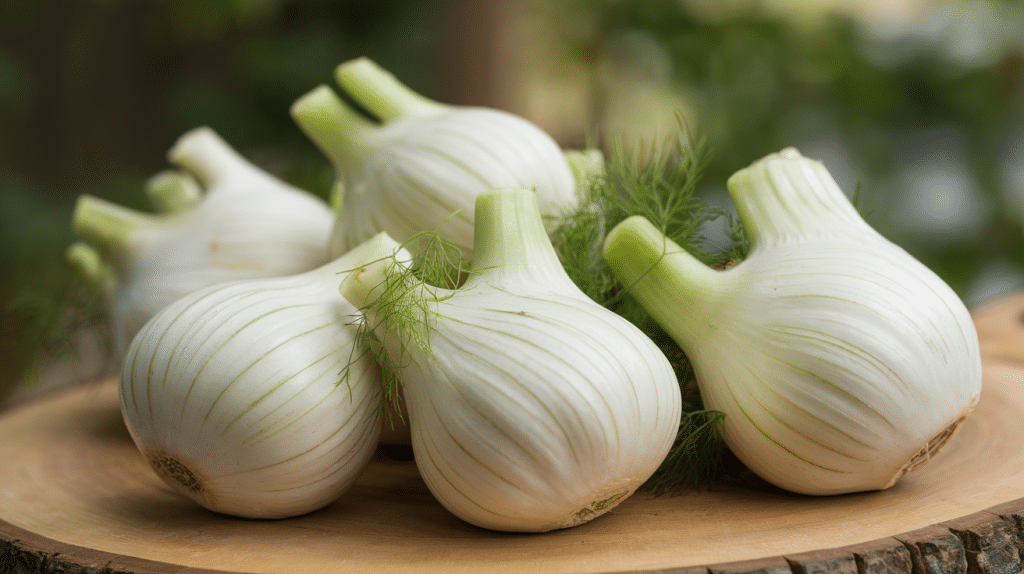
Fennel fruit, also known as fennel seeds, comes from the fennel plant. These small, aromatic seeds offer a distinctive flavour that adds a unique character to both culinary and medicinal preparations.
Origin: Native to the Mediterranean region.
Taste: Sweet, licorice-like.
Nutritional Benefits: High in fiber, vitamin C, and antioxidants. Supports digestion and helps with bloating and gas relief.
24. Fairchild Tangerine
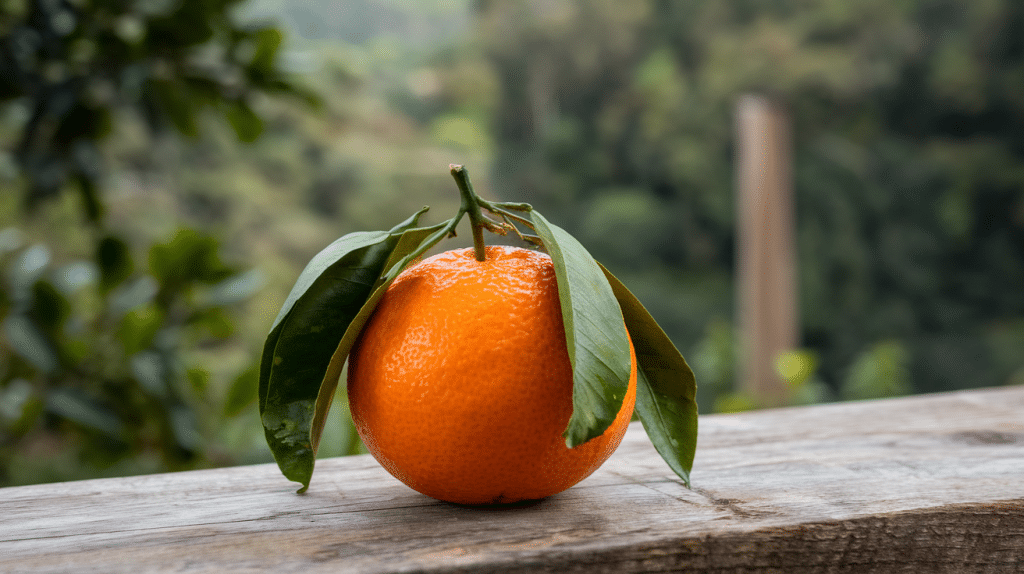
Fairchild tangerines are a variety of mandarin orange known for their bright orange skin, easy peelability, and vibrant flavour that enhances culinary creations. They are often enjoyed fresh or used in juices and salads.
Origin: Developed in California, USA.
Taste: Sweet, tangy.
Nutritional Benefits: Rich in vitamin C, fiber, and antioxidants. Supports immune function and promotes healthy skin.
25. Freestone Peach
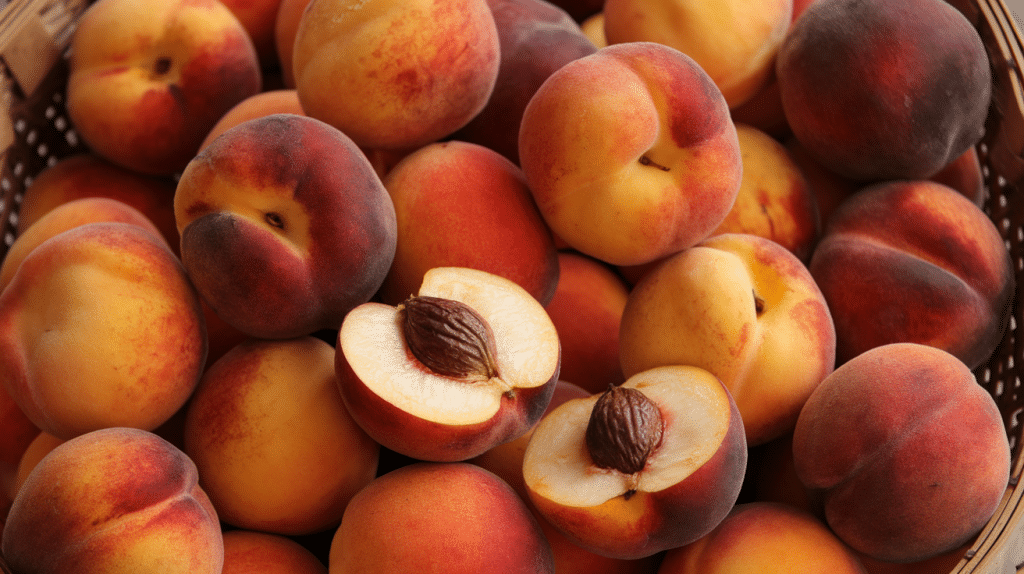
Freestone peaches have a smooth texture with juicy, sweet flesh that easily separates from the pit. They offer a delightful flavour that captures the essence of summer’s bounty, perfect for eating fresh, in pies, or canned.
Origin: Native to China.
Taste: Sweet, juicy, with a fragrant aroma.
Nutritional Benefits: High in vitamin C, fiber, and antioxidants. Supports skin health and digestive function.
26. Falsa

Falsa is a small, dark purple to black fruit with a distinctive flavour that dances between sweet and sour. It is commonly used to make refreshing drinks and jams in various parts of India and Southeast Asia.
Origin: Native to India and Pakistan.
Taste: Sweet, tangy, with a slightly tart finish.
Nutritional Benefits: High in vitamin C, antioxidants, and fiber. Helps with hydration, boosts immunity, and supports digestive health.
27. Fir Tree Fruit

The fir tree produces small, cone-like fruits that offer a subtle flavour reminiscent of forest landscapes. While not commonly eaten, these fruits have intriguing aromatic properties and traditional medicinal uses.
Origin: Native to North America, Europe, and Asia.
Taste: Piney scent with a bitter taste.
Nutritional Benefits: Not typically eaten, but essential oils from fir trees are used for respiratory health.
28. Fingerlime Caviar
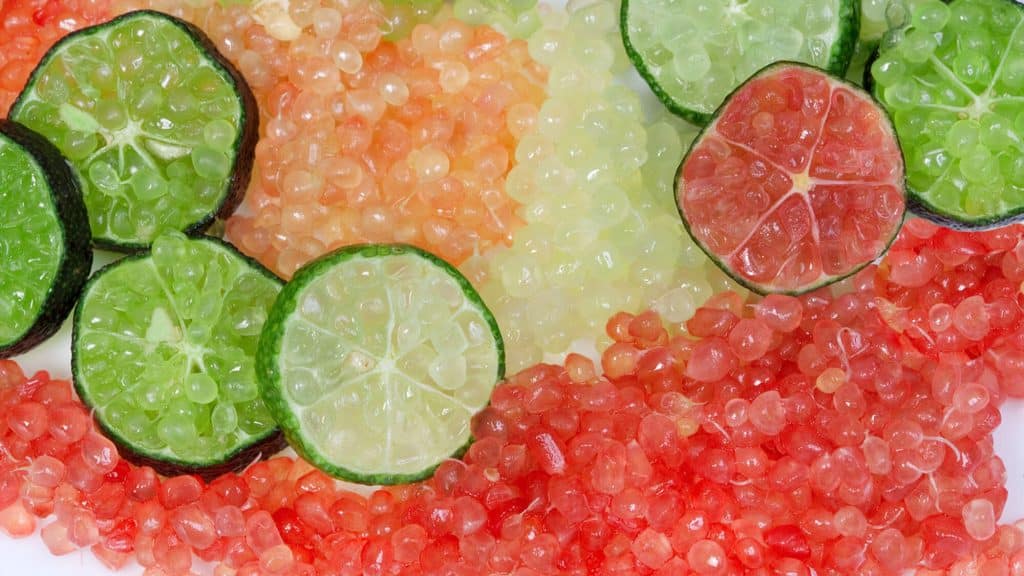
Fingerlime caviar is a unique citrus fruit known for its elongated shape and tiny, pearl-like juice sacs that resemble caviar. It adds a distinctive, tangy flavour, bringing excitement and complexity to various dishes.
Origin: Native to Australia.
Taste: Tangy, citrusy, with a burst of flavour from the tiny juice sacs.
Nutritional Benefits: Rich in vitamin C, antioxidants, and fiber. Helps boost immune function and supports skin health.
29. Frangipani Fruit

Frangipani fruit, often used for ornamental purposes, is known for its aromatic flowers and unique botanical characteristics. While rarely consumed, it adds a subtle flavour to ornamental landscapes.
Origin: Native to Central America and the Caribbean.
Taste: Not typically eaten, known for its fragrant flowers.
Nutritional Benefits: Not applicable as the fruit is generally not consumed.
30. Fishberry
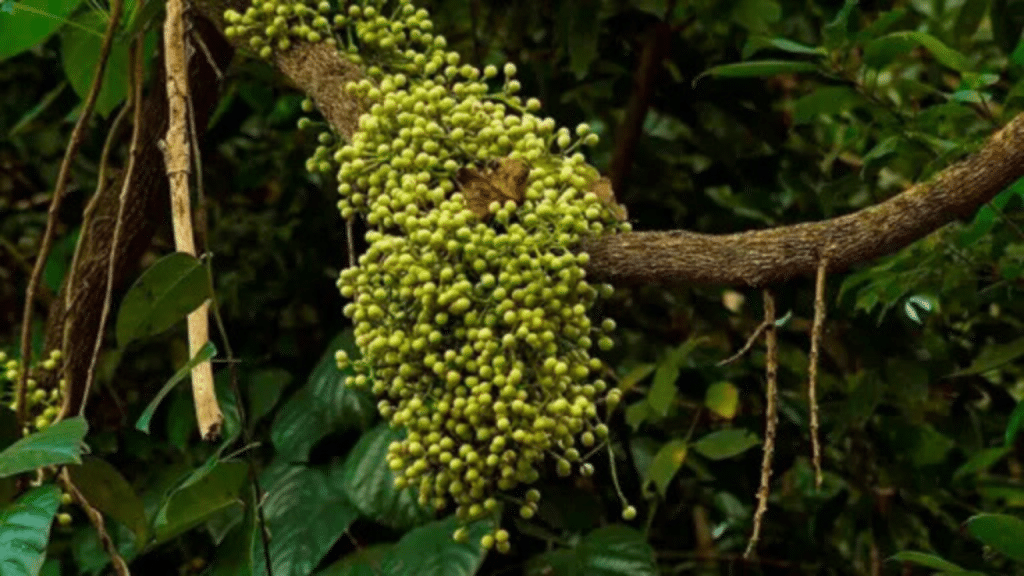
Fishberry is a rare and lesser-known fruit with a distinctive flavor profile that challenges culinary expectations. It is used in certain traditional dishes, offering an intriguing blend of savory and sweet.
Origin: Native to parts of Asia and tropical regions.
Taste: Mildly savory, with a hint of sweetness and a fish-like taste.
Nutritional Benefits: High in vitamins A and C, antioxidants, and fiber. Supports immune health and digestion.
Lesser-known Fruits from F
When it comes to fruits, some varieties are more well-known than others.
However, there are lesser-known fruits starting with ‘F’ that offer unique flavors and textures worth exploring.
These fruits may not always be easy to find, but they can add a fresh twist to your culinary experiences. Let’s get in to find.
31. Faworki
Faworki is a traditional Polish pastry that adds a delightful flavor to celebratory moments. These crispy, sweet treats are a beloved part of Polish culinary traditions, especially during Carnival.
Origin: Traditional in Poland.
Taste: Sweet, crispy, with a light, delicate texture.
Nutritional Benefits: Not a fruit; typically high in sugar and fat, so best enjoyed in moderation.
32. Fruitcocktail
Fruitcocktail is a mix of different fruits, often served in syrup. It offers a vibrant flavour that captures the essence of tropical and citrus fruit combinations, creating a delightful sensory experience.
Origin: Mixed fruit varieties from tropical regions.
Taste: Sweet, tangy, with a blend of tropical flavours.
Nutritional Benefits: Provides a variety of vitamins and antioxidants, helping with hydration and immune support.
33. Forbidden Fruit
Forbidden fruit is often associated with the biblical story but can also refer to rare or exotic fruits that aren’t commonly found in mainstream markets. Its mystique adds an intriguing flavor to culinary creations.
Origin: Varies depending on the fruit.
Taste: Sweet, exotic, and sometimes slightly tangy.
Nutritional Benefits: Varies, generally rich in vitamins and antioxidants, supporting overall health.
34. Fullmoon Apple
Fullmoon apples are large, round apples with a distinctive flavor that captures the essence of orchard freshness. They are perfect for eating fresh or in baked goods.
Origin: Developed in temperate climates.
Taste: Sweet, crisp, with a fragrant aroma.
Nutritional Benefits: Rich in fiber, vitamin C, and antioxidants. Supports digestive health and boosts immunity.
35. Fairy Apple
Fairy apples are small, round apples that bring a whimsical flavor to the world of fruit. They are often used in desserts or eaten fresh, delighting both children and adults.
Origin: Grown in temperate regions.
Taste: Sweet, juicy, with a crisp texture.
Nutritional Benefits: High in fiber, vitamin C, and antioxidants. Promotes heart health and supports digestive function.
36. Fenugreek Seeds
Fenugreek seeds, though not typically considered a fruit, bring a distinctive flavour that adds depth to both culinary and medicinal preparations. They are often used in cooking or as a supplement.
Origin: Native to the Mediterranean region.
Taste: Slightly bitter, earthy, with a hint of maple.
Nutritional Benefits: High in fiber, iron, and protein. Supports digestive health, lowers cholesterol, and promotes lactation.
37. Frigga Plum
Frigga plums are small, round, juicy fruits with a complex flavor profile that balances sweetness and tartness. They’re commonly used in making jams, jellies, and sauces.
Origin: Native to Europe.
Taste: Sweet, juicy, with a tart undertone.
Nutritional Benefits: Rich in vitamin C, fiber, and antioxidants. Supports heart health and boosts the immune system.
38. Falberry
Falberry is a lesser-known fruit similar to the blackberry, often found in wild landscapes. Its unique flavor tells a story of untamed wilderness and natural bounty.
Origin: Found in North America.
Taste: Tart, slightly sweet, with a hint of earthiness.
Nutritional Benefits: Rich in vitamin C, fiber, and antioxidants. Helps boost immunity and improve digestion.
39. Fireberry
Fireberry is a rare, wild fruit that brings a vibrant flavour profile reminiscent of its fiery name. These small, brilliantly colored berries are found in select mountainous regions, offering a unique culinary experience.
Origin: Native to high-altitude regions in select mountain ranges.
Taste: Spicy-sweet, with a warming sensation and subtle heat.
Nutritional Benefits: Rich in unique antioxidants, capsaicin-like compounds, and vitamin C. Supports metabolic health and provides natural warmth to the body.
40. Feather Bush Fruit
Feather bush fruit brings a subtle flavor from tropical regions, offering a gentle taste that hints at its exotic origins. It is often consumed as a mild snack or used in traditional remedies.
Origin: Native to tropical regions of the Americas.
Taste: Mildly sweet, with a hint of earthy flavor.
Nutritional Benefits: High in antioxidants, vitamin C, and fiber. Supports immune health and helps improve digestion.
41. Fried Plantain
Fried plantains are a culinary delight that brings a unique flavour experience, transforming from savory to sweet depending on their ripeness. They are a popular dish that showcases the versatility of this tropical fruit.
Origin: Native to Southeast Asia, widely cultivated in tropical regions.
Taste: Savory or sweet, depending on ripeness.
Nutritional Benefits: High in fiber, potassium, and vitamin A. Supports digestion and provides sustained energy.
42. Flat Orange
Flat oranges are a unique citrus variety that brings a burst of flavor to the fruit world. Their distinctive shape and easy-to-peel skin make them a delightful snack or juice option.
Origin: Native to warmer, temperate regions.
Taste: Sweet, tangy, with a citrusy zest.
Nutritional Benefits: High in vitamin C, fiber, and antioxidants. Promotes immune health and aids digestion.
43. Fairy Grape
Fairy grapes are a delicate fruit that brings a whimsical flavour to the world of produce. Their small size and sweet nature make them perfect for snacking or adding a touch of magic to culinary creations.
Origin: Native to North America.
Taste: Sweet, juicy, with a mild tang.
Nutritional Benefits: Rich in antioxidants, vitamins C and K. Supports heart health and boosts immune function.
44. Frosted Fruit
Frosted fruit is a delightful confection that transforms ordinary fruits into a sparkling treat. Its sugary coating adds an extra layer of flavor and visual appeal to these sweet morsels.
Origin: Varies depending on the type of fruit used.
Taste: Sweet with a refreshing frosty texture.
Nutritional Benefits: Varies depending on the fruit, generally rich in vitamins and antioxidants. Helps with hydration and immune support.
45. Fushimi Pear
Fushimi pears bring a delicate flavor that captures the essence of Japanese fruit cultivation. Their crisp texture makes them a refined addition to various culinary preparations.
Origin: Native to Japan.
Taste: Mildly sweet, crisp, with a refreshing flavour.
Nutritional Benefits: High in fiber, vitamin C, and antioxidants. Supports digestion and boosts immune health.
46. Foster’s Red Dragonfruit
Foster’s Red Dragonfruit brings a vibrant flavor that captures the exotic essence of tropical fruits. Its striking red skin and unique interior make it a standout in the world of produce.
Origin: Native to Central America, now grown in tropical regions worldwide.
Taste: Sweet, mildly tangy, with a refreshing taste.
Nutritional Benefits: High in vitamin C, antioxidants, and fiber. Helps improve digestion and supports
47. Flower Nectar Fruit
Flower nectar fruit offers a delicate flavor that seems to capture the essence of a blooming garden. Its juicy flesh and fragrant aroma make it a delightful culinary experience.
Origin: Native to China, now grown worldwide.
Taste: Sweet, floral, with a smooth, juicy texture.
Nutritional Benefits: Rich in vitamin C, antioxidants, and fiber. Promotes skin health and supports digestive function.
48. Floridian Peach
Floridian peaches bring a sunshine-kissed flavor that embodies the warmth of their home state. These luscious fruits are a testament to Florida’s rich agricultural heritage.
Origin: Grown in Florida, USA.
Taste: Sweet, juicy, with a mild tang.
Nutritional Benefits: High in vitamin C, fiber, and antioxidants. Supports immune function and promotes digestive health.
49. Fingerberry
Fingerberries are a unique tropical fruit that brings an intriguing flavor to the world of exotic produce. Their elongated shape and sweet-tart profile make them a fascinating culinary finding.
Origin: Native to tropical regions.
Taste: Sweet, slightly tart, with a berry-like taste.
Nutritional Benefits: High in antioxidants, vitamin C, and fiber. Helps support heart health and immune function.
50. Fuerte Pear
Fuerte pears offer a delicate flavor that speaks to their Mexican origins. Their smooth skin and juicy interior make them a prized fruit among pear enthusiasts.
Origin: Native to Mexico.
Taste: Mildly sweet, juicy, with a refreshing taste.
Nutritional Benefits: High in fiber, vitamin C, and antioxidants. Promotes digestive health and boosts immune function.
51. Flame Seedless Grape
Flame seedless grapes bring a vibrant flavour that captures the essence of sun-ripened fruit. Their brilliant red color and juicy texture make them a delightful snacking experience.
Origin: Grown in temperate regions worldwide, primarily in the USA.
Taste: Sweet, juicy, with a mildly tart finish.
Nutritional Benefits: High in vitamin C, antioxidants, and potassium. Supports heart health and helps with hydration.
52. Fingerling Banana
Fingerling bananas are a miniature marvel that brings an intense flavor to the world of tropical fruits. Their small size and creamy texture make them a delightful culinary treasure.
Origin: Native to Southeast Asia.
Taste: Sweet, creamy, with a mild banana flavor.
Nutritional Benefits: High in potassium, vitamin B6, and fiber. Supports heart health and helps regulate blood pressure.
53. Fuzzy Kiwi
Fuzzy kiwis offer a distinctive flavor that bursts with tangy-sweet complexity. Their unique fuzzy exterior and bright green interior make them a fascinating fruit experience.
Origin: Native to China, now widely grown in New Zealand and other regions.
Taste: Sweet, tangy, with a slightly tart taste.
Nutritional Benefits: High in vitamin C, fiber, and antioxidants. Helps improve digestion and boosts immunity.
54. Fruit Pear
Fruit pears bring a sublime flavour that captures the essence of orchard-fresh goodness. Their smooth skin and versatile nature make them a beloved fruit across various culinary traditions.
Origin: Native to Europe and Asia.
Taste: Sweet, juicy, with a slightly tangy taste.
Nutritional Benefits: Rich in fiber, vitamin C, and antioxidants. Promotes digestive health and boosts immunity.
55. Frost Berry
Frost Berry is a unique arctic fruit that grows in extreme cold climates, known for its ability to survive in harsh, freezing environments. These small, resilient berries reflects the pristine, icy landscapes of their origin.
Origin: Native to subarctic and alpine regions of the Northern Hemisphere.
Taste: Crisp, slightly tart, with a cool, refreshing essence that hints at its frozen habitat.
Nutritional Benefits: Exceptionally high in cold-climate antioxidants, omega-3 fatty acids, and adaptogenic compounds. Supports immune function in extreme conditions and helps the body resist cold stress.
56. Fremont Cottonwood Fruit
The Fremont cottonwood tree produces small, fluffy fruits that offer a subtle essence of wild landscapes. While not typically consumed, these botanical wonders tell a story of ecological diversity.
Origin: Native to the western United States.
Taste: The seeds are light and fluffy with a bitter taste.
Nutritional Benefits: Not consumed for nutrition, but the tree’s bark and leaves have traditional medicinal uses.
57. Frosted Grape
Frosted grapes transform the ordinary grape into a sparkling culinary delight. Their unique preparation brings a flavor that captures both sweetness and refreshing icy essence.
Origin: Grown in various regions worldwide.
Taste: Sweet, tangy, with a refreshing, icy finish when frozen.
Nutritional Benefits: Rich in antioxidants, vitamin C, and potassium. Supports heart health and boosts immune function.
58. Fig-Leaf Gourd
Fig-leaf gourd brings a bold, distinctive flavor that challenges culinary expectations. Its large, lobed leaves and unique taste make it a fascinating ingredient in traditional dishes.
Origin: Native to tropical Asia and Africa.
Taste: Bitter, with a slightly earthy taste.
Nutritional Benefits: Rich in vitamin C, fiber, and antioxidants. Helps regulate blood sugar levels and supports digestive health.
Wrapping it Up!
Incorporating fruits that start with ‘F’ into your diet is a fantastic way to explore new flavors and enjoy a wide range of nutritional benefits.
If you’re adding variety to your meals or seeking something unique, these fruits can bring exciting and refreshing options to your table.
Their diverse textures and tastes offer endless possibilities for creative cooking and snacking.
From their health-boosting properties to the sheer enjoyment of their distinct flavors, these fruits are a wonderful addition to any diet.
Embrace the opportunity to try something different and expand your palate with these vibrant choices.
So, why not give them a try and add a little variety to your fruit bowl?