
“I was just a kid myself—with a baby. How was I supposed to know what to do?”
Becoming a parent as a teenager changes everything. Your plans shift, friendships transform, and suddenly you’re responsible for another human being when you’re still figuring out who you are.
Yet behind the statistics are real young people showing incredible strength every day. They balance school assignments with diaper changes, job applications with feeding schedules.
In these pages, you’ll meet Grace, Ashton, Toni, Ke’Shawn, Jessie, and others who faced teen parenthood head-on.
Their stories aren’t always easy, but they’re honest, showing both the struggles and the unexpected joys that came with having a child during their teenage years.
Through their words, we see that with support, determination can overcome even the steepest odds.
Understanding Teen Pregnancy in America
Teen pregnancy rates in the United States have seen a dramatic decline over the past three decades, reaching historic lows in recent years.
According to sources, Teenage birth rates in the US reached historic lows in 2022, a CDC report finds. In 2022, the national teen birth rate was 13.5 births per 1,000 females aged 15–19, a 3% drop from the previous year and a 78% decrease from the peak in 1991.
Despite this progress, the U.S. continues to have higher teen pregnancy rates than other developed nations, with significant disparities across states and regions.
According to World Population Review, their report “Teen Pregnancy Rates by State 2025” shows that Southern states including Mississippi, Arkansas, Louisiana, and Oklahoma have the highest numbers, with Mississippi at the top with 26.4 births per 1,000 teenage girls.
These high rates often connect to issues such as poverty, not enough access to healthcare and birth control options, and sex education programs that don’t cover all needed topics.
Common Myths vs. Reality
| Aspect | Misconceptions | Reality |
|---|---|---|
| Character & Motivation | Teen parents are often labeled as careless or unmotivated | Many teen pregnancies are unintended; with proper support, teen parents can succeed in school and financial stability |
| Pregnancy Risk | Myths that first-time sex, being a virgin, or certain sexual practices prevent pregnancy | Biological facts show pregnancy is possible any time ovulation occurs, regardless of age or sexual experience |
| Support Systems | Teen parents don’t need special help or resources | Effective support systems (family, school, community) play a vital role in helping teen parents |
| Education Impact | School is impossible after having a baby | With the right programs and support, teen parents can complete education and pursue higher learning |
This table outlines the key contrasts between false beliefs and the actual facts about teen pregnancy and parenting.
The added aspects provide context about support systems, education impacts, and financial outcomes not mentioned in your original content.
Real Stories: Voices of Teen Parents

The following stories capture the authentic experiences of teen parents from different backgrounds.
Grace’s Story (17)“I was running to the bathroom between classes during my senior year, trying to hide my morning sickness. My purple prom dress started rumors, but I was hoping to keep my pregnancy secret. I had planned to leave New Orleans for college, and I wasn’t sure what to do. I thought about having an abortion, but in my soul, it didn’t feel right. I definitely don’t regret my decision now. It’s been hard being a teen parent, but I feel like I’m a little bit ahead of the curve in some ways. After graduation, I had my son, Hassan Jr. I tried taking classes at UNO while caring for him, but it was just too much. My high school sweetheart—Hassan’s father—had a scholarship to Grinnell College in Iowa. We got married, and I moved there with him for three years. In Iowa, I earned my associate degree and worked several jobs. Hassan and I would trade shifts so one of us could watch our son while the other worked or attended classes. During that time, I had our second son, Hosea. After my husband graduated, we moved back to New Orleans in 2019. I had our third son, Huey, and found a program called Generation Hope that helps teen parents. I’ve gotten free counseling, tuition support, activities for my kids, and mentorship. I was especially grateful to be paired with a mentor who also has an autistic child, since two of my three boys have been diagnosed with autism. I wish Generation Hope would have come to New Orleans before. If they had a program like that when I was in high school, everything would have been different. Now I’m working on my bachelor’s degree remotely and I’ve self-published a book called ‘The ABC’s of Autism.’ I encourage other teen moms to believe in themselves, because with support, you can still achieve your dreams.” |
Ashton’s Story (17)“I was 17 when I took that pregnancy test at Southeastern Louisiana University’s student clinic. I hadn’t expected to get pregnant so young, and I had no idea what resources were available to me. My pregnancy was especially difficult because I had severe nausea—hyperemesis gravidarum—and needed to be hospitalized several times. I even had to carry around a portable IV pump. I eventually broke down. I tried to hide it from my mom as long as I could, but I finally had to admit, ‘I need help.’ I scheduled a meeting with an adoption counselor, but changed my mind when my family promised to help me raise my baby. In 2016, I had Harper-Layne. I loved her instantly, but I struggled with postpartum depression afterward. It wasn’t easy, but I kept pushing forward. I eventually got an associate degree from Baton Rouge Community College and a full-time job at the East Baton Rouge Clerk of Court’s Office. I even self-published a book about my family’s struggles with addiction. I’m now married and expecting my second baby, and having a supportive partner has made all the difference. Looking back on my experience, I believe girls need to be supported. They need to be told there’s help out there and not made to feel ashamed or alone. Knowledge is power: knowing what your options are, knowing your body, where you can go for help—it will make all the difference in the world.” |
Toni’s Story (13)“I got pregnant when I was 13. I was in sixth grade in Jena and knew little about sex, other than my boyfriend was pressuring me for it. I credit my grandmother for not giving up on me. Despite my young age, I gave birth to a healthy baby girl, Jalisha, in 1989. I was still a baby myself—with a baby. My grandmother taught me that this wouldn’t define my life. I almost immediately got pregnant again at 14, which filled me with so much shame that I didn’t seek prenatal care. That decision nearly cost me my life: I started bleeding when I was seven months pregnant and hemorrhaged. When my premature daughter needed to be transferred to New Orleans, I didn’t have transportation to visit her. When I eventually saw her in the hospital and understood the medical care she needed, I knew I couldn’t provide it. I decided to allow another family to adopt my second baby, and we stayed in touch. You don’t know how bad I got looked at when I had those babies back to back. I had my third baby when I was 19. Then my life took a turn for the better: I got my GED, went to vo-tech school, and social workers encouraged me to become a certified nurse aide. They bought me uniforms, shoes, and books. I also met my husband and had two more children with him. We had many good years together before he died from COVID in 2020. I’ve been a mother my whole life. I had a happy life with my husband. I had one that was amazing. I’ve had a really good ending.” |
Ke’Shawn’s Story (16)“I had a series of struggles after I found out I was pregnant at 16 in Westwego. While my parents were mostly supportive, my first doctor terrified me, telling me I should have both a hysterectomy and an abortion because I had ovarian cysts. A second physician assured me that I could have my baby, but that I’d need surgery to remove the cysts first. After surgery, I developed severe preeclampsia. The doctors had to induce me two months early because the only cure is giving birth. I was terrified. I hadn’t even unpacked everything from my baby shower. I wasn’t prepared mentally, physically, or emotionally. My son, Ja’Quan, was born in 2000 during my summer break. He needed a week and a half in neonatal intensive care. He had seizures early on, but eventually grew out of them. I was one point short of passing the LEAP test. I decided years later to try again after having a second baby at 19 and working minimum wage jobs. I passed and got my high school diploma seven years after my original graduation date. I then got associate’s and bachelor’s degrees in criminal justice, had two more children, and got married. Ja’Quan is now 23 and coaches football in California. I also spent time in therapy and counseling, unpacking how being molested as a child changed the course of my life. I work with a nonprofit that supports former inmates. I want to be that person for other people that I needed. Some teen moms are more than just statistics, some really beat the odds even when they are lined up against them.” |
Jessie’s Story (15)“I got pregnant when I was 15. It was the first time I ever had sex. I grew up in a big family—loud, fun, always together. I spent a lot of time with my older sister’s friends, which meant that as I was 11, 12, and 13 years old, I was hanging out with 14, 16, and even 18-year-olds. I started partying with them early, smoking and drinking from middle school on. My mom didn’t really know many of the things I did. When I was in 7th grade, I started dating one of my sister’s friends, a 9th grade dropout. I was 12 when we started dating, and we didn’t have sex at first. He didn’t pressure me either, but his friends would tell me how we had to have sex or he’d leave me. Eventually, I felt like it was just the next step for us. Our first time having sex, I didn’t enjoy it—I was uncomfortable and mortified. After the first time, I didn’t want to do it again. If he asked, I would make up excuses. But after a month, I missed my period. Another month, and I missed it again. Deep down, I knew what was happening, but I ignored every symptom. One day, I was at a basketball game cheering, and I got sick. In the bathroom, two of my friends came in to check on me. That’s when I told them I was pregnant. They told my teacher, who told my guidance counselor—this ended up being a blessing. She was the first adult I talked to about it and was very encouraging. When I finally told my mom, what stands out most in my memory was how excited she was: ‘AWE! We’re going to have a baby!’ That stuck with me, because even if she was disappointed in me, I knew she was still excited there would be a baby. I felt so much relief. My daughter, Brianna, was born prematurely at 27 weeks. I watched her fighting for her life for 40 days in the NICU. That was really scary, but I could feel the prayers of my boyfriend’s family and mine carry us through that time. I graduated high school on the principal’s list, got married, had two more kids, and entered a career in the pregnancy care world that I love. Brianna is now grown up and married with a little girl of her own. Who knew that what I thought was the most hopeless moment in my life would lead to so much hope, joy, and fulfillment?” |
Another example: Join high school sweethearts Olivia and Cole as they discuss their surprising journey into parenthood at just 15 years old. This cheerleader and football player share how they transformed from shocked teenagers into dedicated parents, all while completing their high school education.
Check out this video from Truly.
Resources for Teen Parents
Navigating teen parenthood is challenging, but you don’t have to do it alone. Various organizations and programs exist specifically to support young parents through education, healthcare, financial assistance, and emotional support.
1. Healthcare Resources
Taking care of you and baby: Medical services specifically designed for young parents and their children.
Prenatal and Pediatric Care:
- Medicaid and CHIP: Most states offer free or low-cost health insurance for pregnant teens and their children through these programs, covering prenatal visits, delivery, and pediatric care.
- WIC (Women, Infants and Children): Provides nutritional support, health screenings, and education for pregnant and postpartum mothers and children up to age 5.
- Community health centers: Federally Qualified Health Centers offer sliding-scale fees based on ability to pay, making healthcare accessible regardless of insurance status.
Mental Health Support:
- Postpartum Support International: Offers helplines, online support groups, and resources for new mothers experiencing postpartum depression or anxiety.
- School-based counseling: Many schools provide free counseling services to students, including those who are pregnant or parenting.
- Teen parent support groups: Look for local groups through community centers, healthcare providers, or religious organizations where teen parents can share experiences and advice.
2. Financial Assistance Options
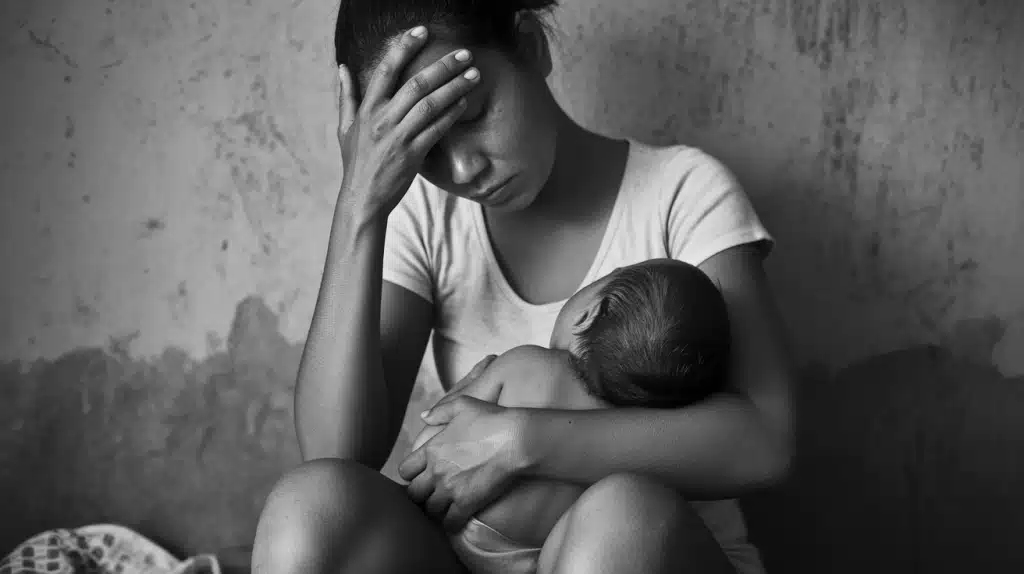
Money helps when you need it: Programs that provide financial support and benefits for teen parents.
Government Programs:
- Temporary Assistance for Needy Families (TANF): Provides temporary financial assistance to pregnant women and families with children.
- Supplemental Nutrition Assistance Program (SNAP): Helps low-income individuals and families buy nutritious food with monthly benefits.
- Housing assistance: Programs like Section 8 housing vouchers can help teen parents secure safe, affordable housing.
Child Support Services:
- Every state has a child support enforcement agency that can help establish paternity, locate non-custodial parents, and establish and enforce child support orders.
Tax Benefits:
- Earned Income Tax Credit (EITC): A refundable tax credit for low to moderate-income working individuals, particularly those with children.
- Child Tax Credit: Provides tax credit for each qualifying dependent child under age 17.
3. Online Resources and Support Groups

You’re not alone: Groups and organizations where teen parents can connect and find encouragement.
Digital Communities:
- BabyCenter’s Teen Pregnancy and Parenting group: Online forum where teen parents can connect, ask questions, and share experiences.
- Social media groups: Facebook and other platforms host numerous private groups specifically for teen parents to connect.
Mobile Apps:
- Bright by Text: Sends free tips, information, and resources for parents based on their child’s age.
- Baby Tracker: Helps parents track feedings, diaper changes, sleep schedules, and developmental milestones.
- CDC’s Milestone Tracker: Tracks child development and provides tips for encouraging healthy growth.
Remember, reaching out for help is a sign of strength, not weakness.
These resources exist because many have walked this path before you and understand the challenges you face. Take advantage of the support available to create the best possible future for you and your child.
Reading Resources for Teen Parents
- “The Pregnancy Project” by Gaby Rodriguez– A memoir by a teen who faked a pregnancy for a school project, revealing societal attitudes toward teen mothers.
- “Positive: A Memoir” by Paige Rawl – While focusing on HIV, this memoir offers valuable insights on navigating high school during challenging personal circumstances.
- “Teen Mom: You’re Stronger Than You Think” by Tricia Goyer – Written by a former teen mom, offers practical advice and emotional support.
Each teen parent’s situation is unique. What works for one may not work for another, so explore various resources to find what suits you best.
Most importantly, you’re not alone; many others have faced similar challenges and thrived while raising their children.
Moving Forward
The stories we’ve shared pull back the curtain on teen parenting – showing both the hard moments and unexpected bright spots.
From Grace’s academic success to Toni finding her way from age 13, these young parents prove that having a baby early doesn’t mean giving up on dreams.
What stands out in every story? Support makes all the difference. Whether from family, school programs, or community resources, having people who believe in you can change everything.
If you’re a teen parent reading this, know that thousands have walked this path before you and found their way. Your story is still being written, and there’s plenty of good ahead.
Are you a teen parent or know someone who is? Share your story in the comments below! Let’s build a community where no young parent feels alone.