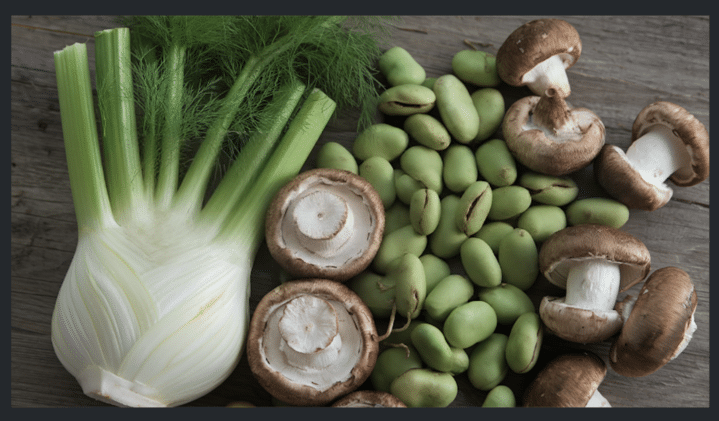
Ever stood in your kitchen, playing the alphabet game with vegetables, and got stuck on the letter ‘F’?
Beyond the familiar fennel and French beans, most of us draw a blank! But, there’s a whole world of ‘F’ vegetables waiting to add flavor and nutrition to your plate.
Think of this as your friendly vegetable exploration, where we’ll walk you through every crunchy, leafy, and delicious veggie that starts with F.
No complicated cooking terms or fancy chef language here – just simple, helpful information about these wonderful vegetables that might become your new kitchen favorites.
Some of these veggies might be regulars in your grocery cart, while others could be those mysterious items you’ve walked past in the produce aisle but never dared to try.
Popular Vegetables that Start with F
1. Fennel
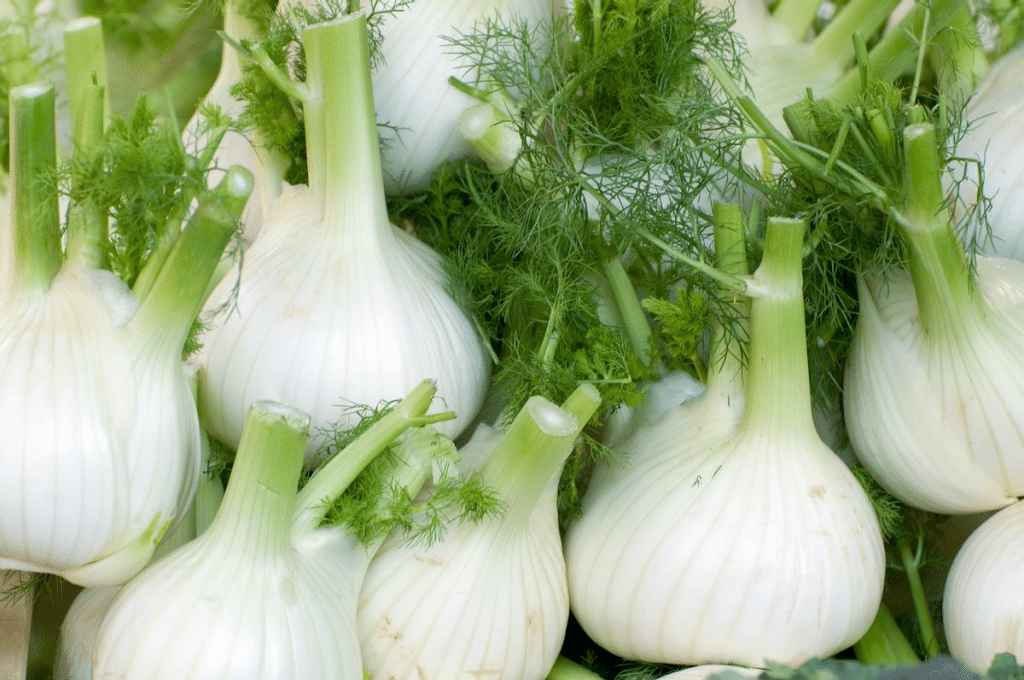
Fennel is a bulbous vegetable with feathery green fronds and a white, crunchy bulb. It is commonly used in salads, roasted dishes, and as a garnish due to its distinctive appearance.
Scientific name: Foeniculum vulgare
Origin: Native to the Mediterranean region.
Taste: Mild, slightly sweet with a hint of licorice.
Nutritional benefits: Rich in fiber, vitamin C, potassium, and antioxidants. Aids digestion and supports heart health.
2. French Beans
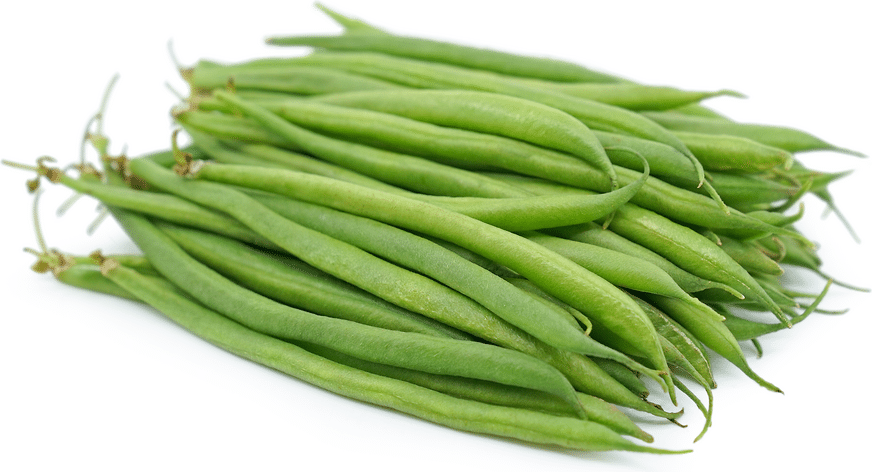
French beans, also known as green beans, are long, slender vegetables with a bright green color. They are often used in salads, stir-fries, and as a side dish.
Scientific name: Phaseolus vulgaris
Origin: Native to Central and South America.
Taste: Mild and fresh.
Nutritional benefits: High in vitamins A, C, and K, as well as folate and fiber. Supports immune function and heart health
3. Fava Beans

Fava beans are large, flat beans that grow in pods, typically harvested when young and tender. They are commonly used in stews and soups or mashed into dips.
Scientific name: Vicia faba
Origin: Native to North Africa and Southwest Asia.
Taste: Nutty and earthy when cooked.
Nutritional benefits: High in protein, fiber, iron, and folate. It helps with muscle repair and boosts energy levels.
4. Field Mushrooms

Field mushrooms are white or light brown mushrooms found growing in fields. They are commonly used in salads, stir-fries, and sauces.
Scientific name: Agaricus campestris
Origin: Native to Europe and North America.
Taste: Earthy and mild.
Nutritional benefits: Rich in B vitamins, fiber, and minerals like potassium and selenium. Supports immune health.
5. Fingerling Potatoes
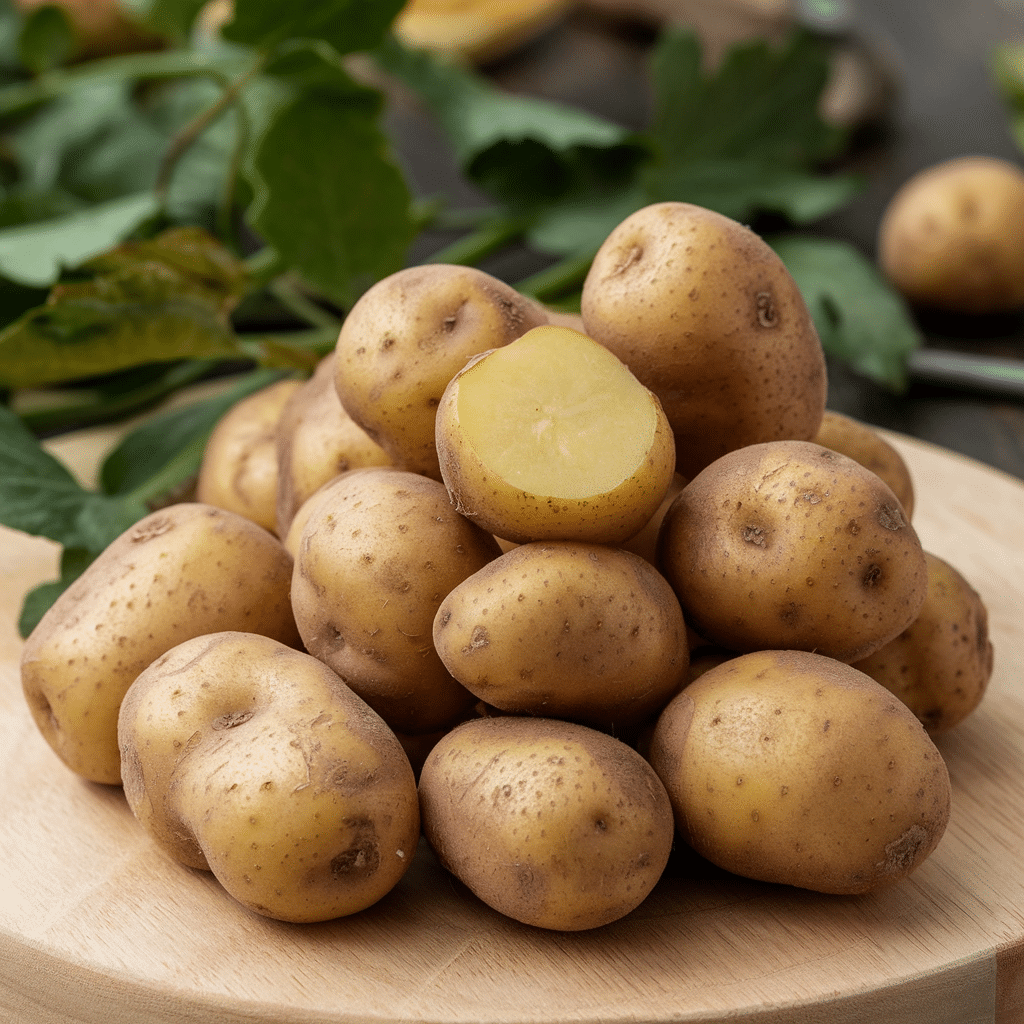
Fingerling potatoes are small, elongated potatoes with a distinctive finger-like shape. Their skin is thin, and they come in a variety of colors.
Scientific name: Solanum tuberosum
Origin: Native to the Andes region of South America.
Taste: Nutty and earthy, with a waxy texture when cooked.
Nutritional benefits: High in potassium, vitamin C, and fiber. Supports heart health and digestion.
6. Flat Beans
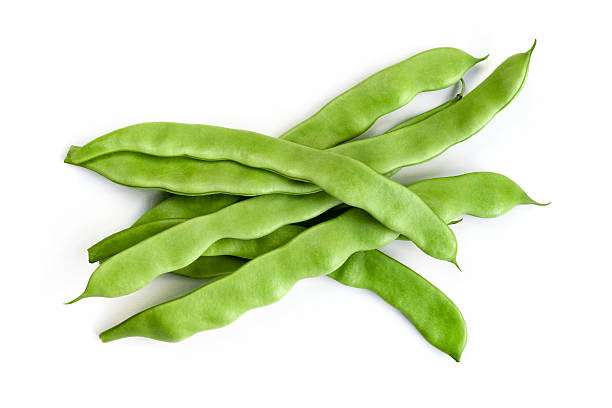
Flat beans, also known as broad beans, have a wide, flat shape and are typically harvested when young and tender. They are used in a variety of dishes such as soups and stews.
Scientific name: Vicia faba
Origin: Native to Asia and the Mediterranean region.
Taste: Nutty and earthy when cooked.
Nutritional benefits: High in protein, fiber, folate, and iron. Supports digestive and muscle health.
7. Frisée Lettuce
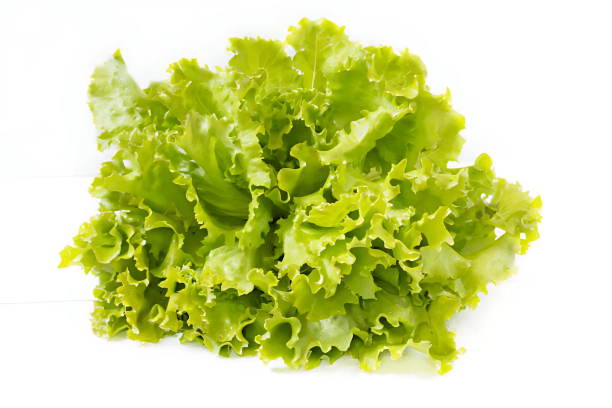
Frisée lettuce is a type of curly endive with frilly, light green leaves. It has a loose, delicate structure that makes it stand out in salads.
Scientific name: Cichorium endivia
Origin: Native to the Mediterranean region.
Taste: Slightly bitter and peppery when eaten raw.
Nutritional benefits: High in vitamin A, vitamin C, and fiber. It supports eye health and boosts immunity.
8. Forest Mushrooms
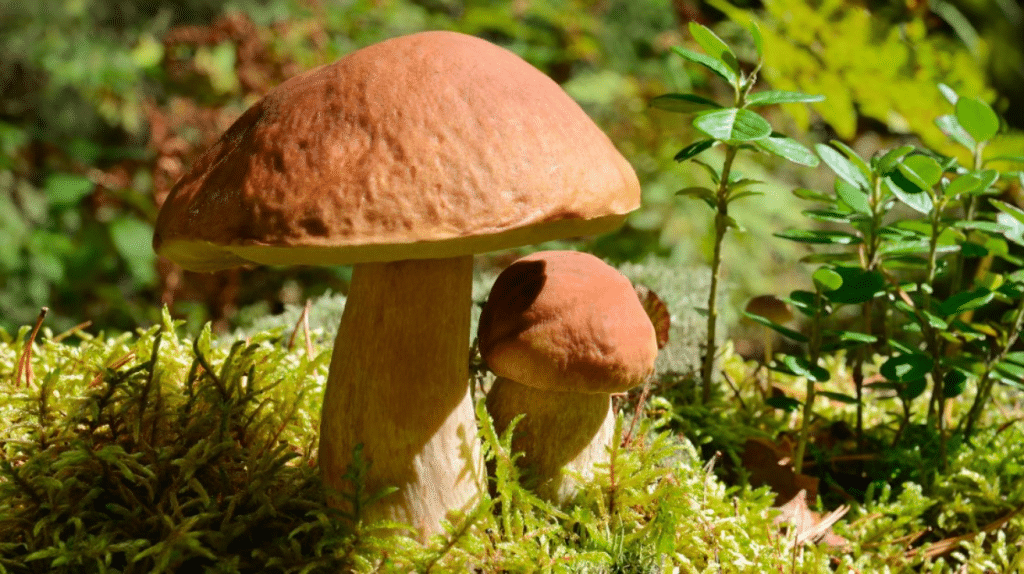
Forest mushrooms, such as chanterelles and porcini, grow in woodland areas. They have a unique texture and are used in various gourmet dishes.
Scientific name: Various species
Origin: Found in forests worldwide.
Taste: Earthy and savory when cooked.
Nutritional benefits: Rich in B vitamins, antioxidants, and minerals like potassium. Supports immunity and overall health.
9. Fiddlehead Ferns
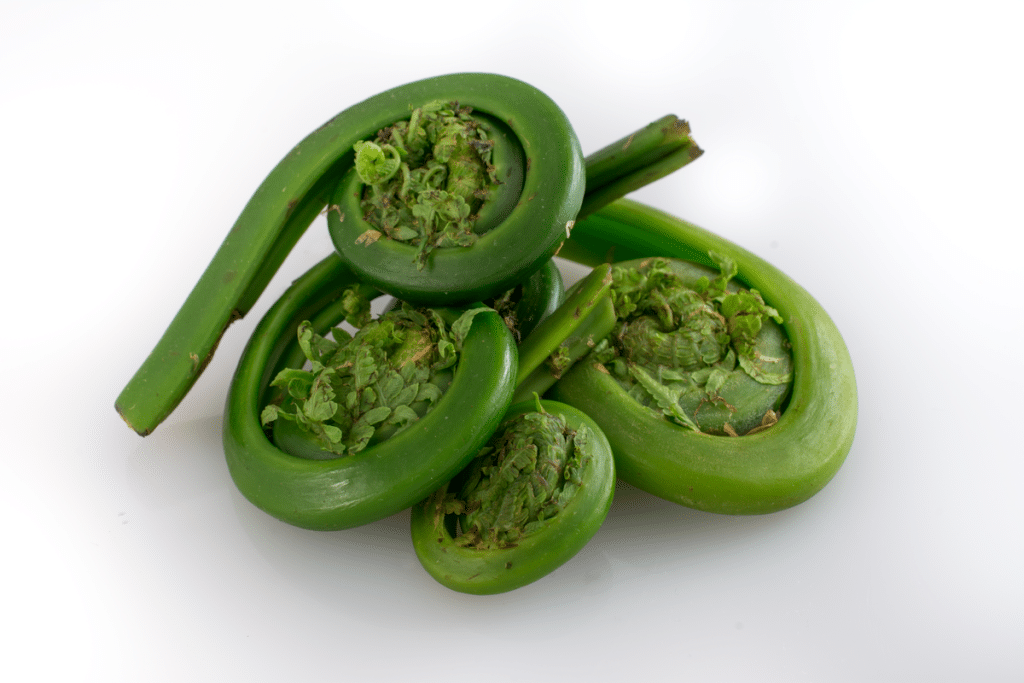
Fiddlehead ferns are young, coiled fronds that are harvested in early spring before they unfurl. They are often used in salads or lightly cooked dishes.
Scientific name: Matteuccia struthiopteris
Origin: Native to North America, Asia, and Europe.
Taste: Mild and vegetal when cooked.
Nutritional benefits: High in vitamins A and C, fiber, and antioxidants. Supports immune function and digestive health.
10. Flat-Leaf Parsley
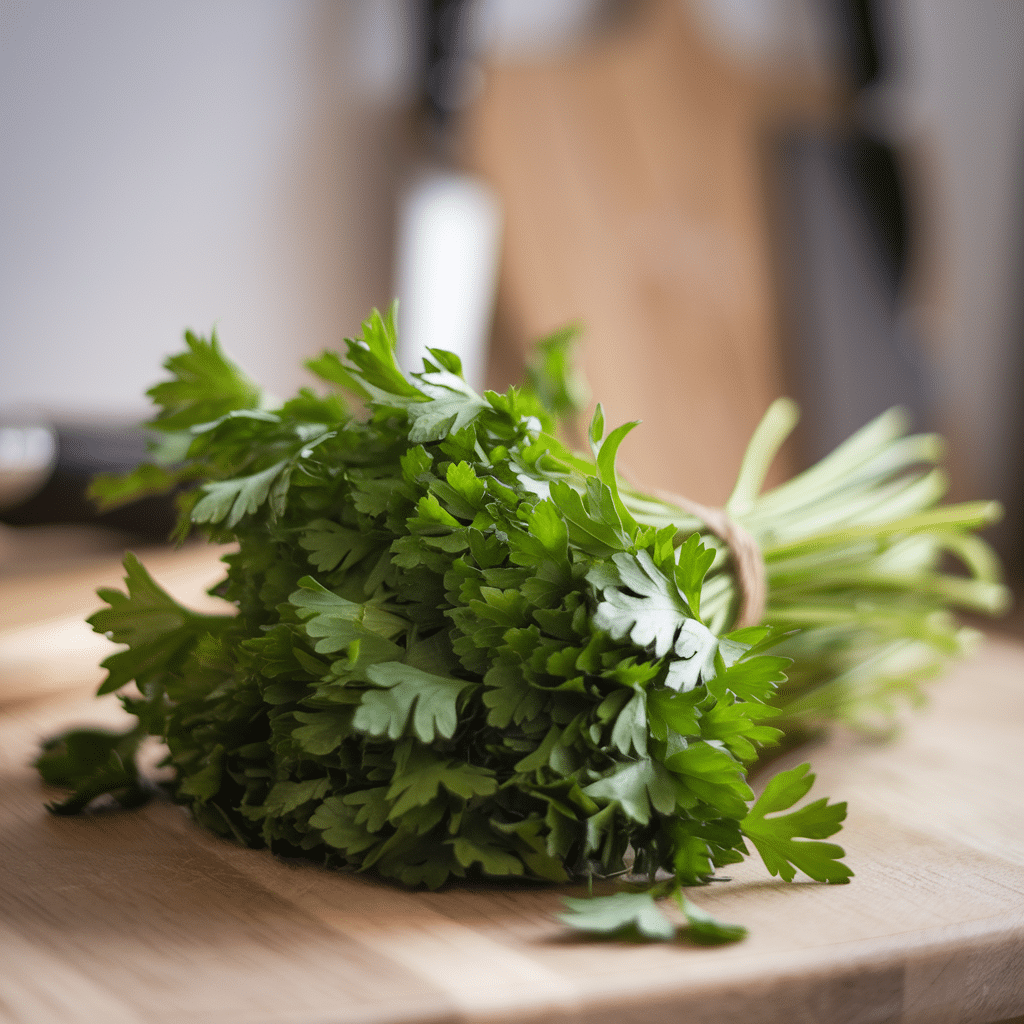
Flat-leaf parsley is a variety of parsley with broad, flat leaves that are commonly used in culinary dishes. It is a versatile herb that adds a fresh touch to salads and garnishes.
Scientific name: Petroselinum crispum
Origin: Native to the Mediterranean region.
Taste: Fresh and slightly peppery.
Nutritional benefits: Rich in vitamins A, C, and K, as well as folate and iron. Promotes immune health and supports bone health.
11. Feher Ozon Peppers
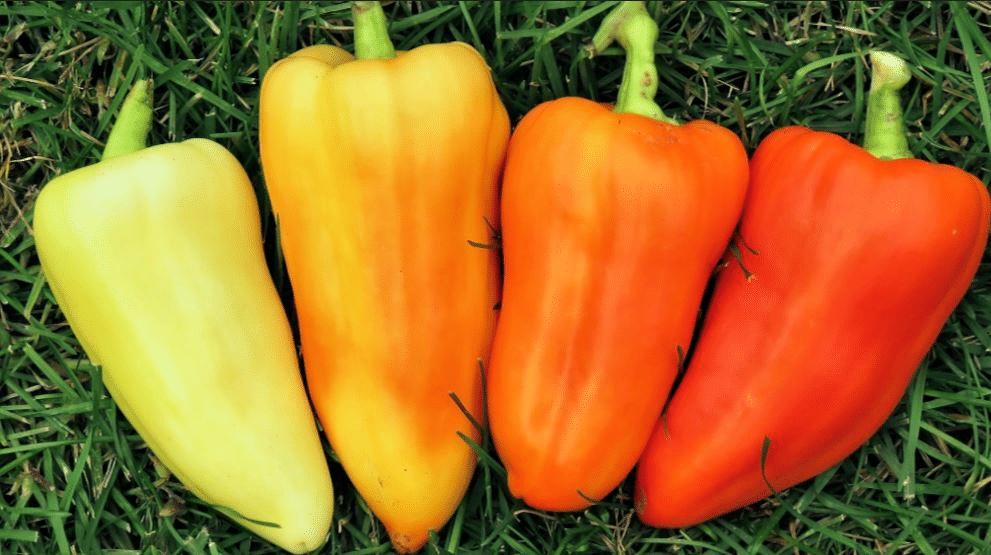
Feher Ozon peppers are a variety of sweet peppers known for their mild heat. These peppers are often grown in warm climates and are used in various culinary preparations.
Scientific name: Capsicum annuum
Origin: Native to Hungary.
Taste: Mild and sweet.
Nutritional benefits: Rich in vitamin C and antioxidants. It helps to boost the immune system and supports skin health.
12. Florentino Tomato
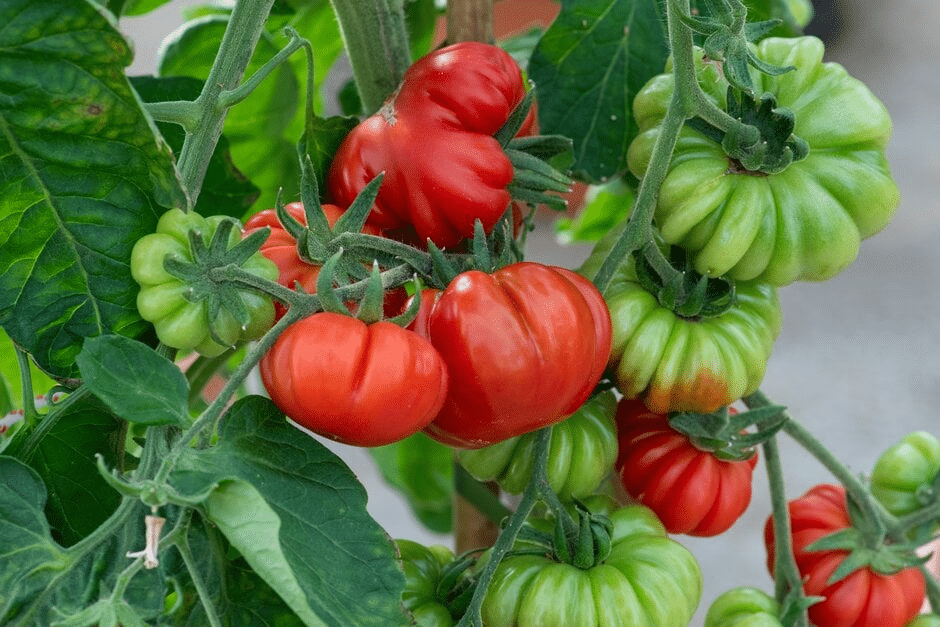
Florentino tomato is a variety of tomato known for its hearty flesh and sweet taste. It is commonly grown for both fresh consumption and in cooking.
Scientific name: Solanum lycopersicum
Origin: Native to the Americas.
Taste: Sweet and tangy when ripe.
Nutritional benefits: High in vitamins C and K, lycopene, and antioxidants. It supports heart health and reduces inflammation.
13. French Purslane
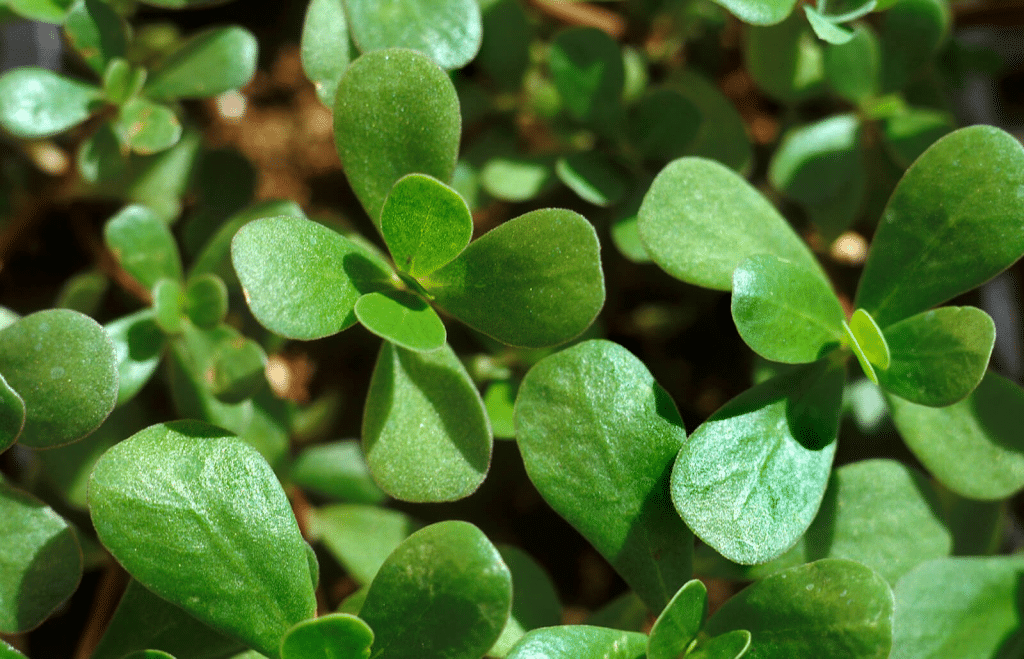
French purslane is a leafy green herb often used in Mediterranean cuisine. It has thick, fleshy leaves and is used fresh in salads and cooking.
Scientific name: Portulaca oleracea
Origin: Native to Europe and Asia.
Taste: Mild and slightly sour.
Nutritional benefits: High in omega-3 fatty acids, vitamins A, C, and E. Supports heart health and reduces inflammation.
Rare Vegetables Starting With F
14. Fluted Pumpkin
Fluted pumpkin is a tropical plant with large green leaves and edible seeds, widely cultivated in West Africa. It is commonly used in soups, stews, and sauces.
Scientific name: Telfairia occidentalis
Origin: Native to West Africa.
Taste: Mild and slightly bitter.
Nutritional benefits: Rich in vitamins A and C, iron, and folate. It supports immune health and promotes healthy skin.
15. Fat Hen
Fat hen, also known as wild spinach, is a leafy green plant that grows in various climates and is known for its rich nutritional content. It is often used in soups, stews, and as a leafy green in salads.
Scientific name: Chenopodium album
Origin: Native to Europe, Asia, and North America.
Taste: Mild, with a slightly earthy flavor.
Nutritional benefits: High in vitamins A, C, and K, as well as calcium and iron. It supports bone health and aids digestion.
16. Fenugreek
Fenugreek, also known as methi, is a herbaceous plant valued for both its leaves and seeds, commonly used in culinary and medicinal applications across various cultures.
Scientific name:Trigonella foenum-graecum
Origin: Native to the Mediterranean region, Western Asia, and South Asia.
Taste: Slightly bitter with a hint of maple and nuttiness.
Nutritional benefits: Rich in fiber, protein, iron, magnesium, and manganese. It helps regulate blood sugar levels, boosts lactation in nursing mothers.
17. Fioretto (Cauliflower)
Fioretto is a variety of cauliflower that has thin, elongated florets grouped loosely on its head. It is used in stir-fries, roasting, or as a substitute for regular cauliflower.
Scientific name: Brassica oleracea
Origin: A hybrid variety from Japan.
Taste: Mild and slightly nutty.
Nutritional benefits: High in vitamin C, fiber, and antioxidants. Aids in reducing inflammation and supports immune function.
18. Field Garlic
Field garlic is a wild variety of garlic that grows in fields, with long slender leaves and a small bulb. It is used for seasoning dishes and is known for its mild garlicky flavor.
Scientific name: Allium vineale
Origin: Native to Europe and parts of Asia.
Taste: Mildly garlicky.
Nutritional benefits: Rich in vitamin C, antioxidants, and sulfur compounds. Supports heart health and immune function.
19. Field Peas
Field peas are small, round legumes that grow in pods, often harvested when dry for storage. They are commonly used in soups, stews, and as a protein source in various dishes.
Scientific name: Pisum sativum
Origin: Native to Europe and Asia.
Taste: Mild, earthy.
Nutritional benefits: High in protein, fiber, and iron. Supports muscle growth and digestive health.
20. Finocchio (Florence Fennel with Bulb)
Finocchio, also known as Florence fennel, has a bulbous base with feathery green fronds. It is used both as a vegetable and herb, commonly in salads, soups, and stews.
Scientific name: Foeniculum vulgare
Origin: Native to the Mediterranean region.
Taste: Mild, with a hint of licorice.
Nutritional benefits: High in fiber, vitamin C, and antioxidants. Supports digestion and boosts immune function.
21. Fire Beans
Fire beans are small, round beans with vibrant red and black markings on their pods. They are commonly used in soups, stews, and salads, providing color and texture to dishes.
Scientific name: Phaseolus vulgaris
Origin: Native to Central America.
Taste: Mild and slightly nutty.
Nutritional benefits: Rich in protein, fiber, and iron. Supports muscle repair and digestive health.
22. Flageolet Beans
Flageolet beans are small, oval-shaped beans with a pale green color. They are often used in French cuisine, particularly in stews, casseroles, and as side dishes.
Scientific name: Phaseolus vulgaris
Origin: Native to France.
Taste: Mild and buttery.
Nutritional benefits: High in protein, fiber, and folate. Aids digestion and supports heart health.
23. Flamingo Beans
Flamingo beans are kidney-shaped beans with a vibrant pink color, often used in cooking for their rich texture. They can be included in soups, stews, or as a side dish.
Scientific name: Phaseolus vulgaris
Origin: Native to South America.
Taste: Earthy and slightly sweet.
Nutritional benefits: Rich in protein, fiber, and vitamins. Supports digestive health and helps regulate blood sugar.
24. Fluted Gourd
Fluted gourd is a long, green vegetable with ridged skin. It is used in various dishes, such as stir-fries and curries, often paired with meats or other vegetables.
Scientific name: Luffa acutangula
Origin: Native to Asia.
Taste: Mild and slightly bitter.
Nutritional benefits: High in vitamins A and C, antioxidants, and fiber. Supports immune health and digestion.
25. Frisee Endive
Frisee endive is a type of leafy green with curly, frilled edges. It is often used in salads or as a garnish due to its texture and decorative appeal.
Scientific name: Cichorium endivia
Origin: Native to the Mediterranean region.
Taste: Bitter and slightly nutty.
Nutritional benefits: High in vitamin K, vitamin A, and fiber. Supports bone health and digestion.
26. Flying Saucer Squash
Flying saucer squash is a small, round squash with scalloped edges, resembling a flying saucer. It is commonly used in stews, stir-fries, or roasted as a vegetable side dish.
Scientific name: Cucurbita pepo
Origin: Native to North America.
Taste: Mild and slightly sweet.
Nutritional benefits: High in vitamins A and C, fiber, and antioxidants. Supports immune health and skin health.
27. False Flax
False flax is a leafy plant that produces small seeds, often used in traditional herbal medicine. It is cultivated primarily for its oil-producing seeds.
Scientific name: Camelina sativa
Origin: Native to Europe and Asia.
Taste: Mild and slightly nutty.
Nutritional benefits: Rich in omega-3 fatty acids and antioxidants. Supports heart health and reduces inflammation.
28. Frog Eye Potatoes
Frog eye potatoes are small, round tubers with a rough, bumpy skin. They are commonly used in mashed potato dishes, stews, or roasted for a crispy texture.
Scientific name: Solanum tuberosum
Origin: Native to North America.
Taste: Earthy and starchy.
Nutritional benefits: High in carbohydrates, potassium, and vitamin C. Provides energy and supports heart health.
29. Fairy Tale Eggplant
Fairy tale eggplant is a small, purple and white striped vegetable. It has a tender skin and is commonly used in stir-fries, curries, and grilled dishes.
Scientific name: Solanum melongena
Origin: Native to India and Southeast Asia.
Taste: Mild, slightly sweet.
Nutritional benefits: High in antioxidants, fiber, and vitamins A and C. Promotes digestion and supports immune health.
30. Fool’s Watercress
Fool’s watercress is a water-dwelling plant with small, round leaves, often mistaken for edible watercress. It is used in herbal remedies and occasionally in local cuisines.
Scientific name: Apium nodiflorum
Origin: Native to Europe and Asia.
Taste: Slightly peppery.
Nutritional benefits: Contains vitamin C and antioxidants, supporting immune function and digestion.
31. Friggitello Peppers
Friggitello peppers are slender, green to yellow peppers that are often fried or pickled. They are commonly used in Mediterranean and Italian dishes.
Scientific name: Capsicum annuum
Origin: Native to Italy.
Taste: Mild, sweet, and slightly tangy.
Nutritional benefits: High in vitamin C, fiber, and antioxidants. Supports skin health and immune function.
32. Frost Peas
Frost peas are a variety of peas grown in colder climates. They have a tender, sweet texture and are used in soups, salads, and side dishes.
Scientific name: Pisum sativum
Origin: Native to cold-climate regions.
Taste: Sweet and mild.
Nutritional benefits: High in fiber, protein, and vitamins A and C. Supports digestive health and muscle repair.
33. Forono Beets
Forono beets are cylindrical-shaped beets with a deep red color. They have a smooth texture and are commonly used in salads, roasted dishes, or juices.
Scientific name: Beta vulgaris
Origin: Native to Europe.
Taste: Sweet, earthy.
Nutritional benefits: High in folate, iron, and fiber. Supports liver function and boosts energy levels.
34. Fushimi Peppers
Fushimi peppers are long, slender, green peppers from Japan. They are often used in stir-fries, pickles, or as a garnish for various dishes.
Scientific name: Capsicum annuum
Origin: Native to Japan.
Taste: Mildly sweet and crunchy.
Nutritional benefits: High in vitamin C and antioxidants. Promotes skin health and reduces inflammation.
35. Fodder Turnip
Fodder turnips are large, round root vegetables grown primarily for animal feed but also used in human dishes like soups and stews.
Scientific name: Brassica rapa
Origin: Native to Europe and Asia.
Taste: Mildly sweet, starchy.
Nutritional benefits: High in fiber, vitamin C, and potassium. Supports digestive health and provides energy.
36. Fogliati
Fogliati is a hybrid variety of chicory with broad, dark green leaves and a slightly bitter taste. It is commonly used in Italian cuisine for salads and sautés.
Scientific name: Cichorium intybus
Origin: Native to Italy.
Taste: Bitter.
Nutritional benefits: High in vitamin K, antioxidants, and fiber. Supports bone health and improves digestion.
37. Five-color Chard
Five-color chard is a vibrant leafy green with stems in red, yellow, orange, and white colors. It is commonly used in salads, soups, and sautéed dishes.
Scientific name: Beta vulgaris
Origin: Native to the Mediterranean region.
Taste: Mild and slightly earthy.
Nutritional benefits: High in vitamins A and K, antioxidants, and fiber. Promotes eye health and supports bone strength.
38. Field Corn
Field corn is a type of maize with large, yellow kernels that are typically used for animal feed, cornmeal, and processed products.
Scientific name: Zea mays
Origin: Native to the Americas.
Taste: Starchy.
Nutritional benefits: Rich in carbohydrates, fiber, and vitamins. Provides energy and supports digestive health.
39. French Breakfast Radish
French breakfast radishes are small, elongated, and mild in flavor with pinkish-red skin and white tips. They are often used in salads or served with butter and salt.
Scientific name: Raphanus sativus
Origin: Native to France.
Taste: Mildly spicy, crunchy.
Nutritional benefits: High in vitamin C, antioxidants, and fiber. Supports immune health and digestion.
40. Fresh Chickpeas
Fresh chickpeas are young chickpeas harvested before they fully mature, with a tender texture and bright green color. They are used in salads, soups, or as snacks.
Scientific name: Cicer arietinum
Origin: Native to the Middle East and South Asia.
Taste: Nutty and slightly sweet.
Nutritional benefits: High in protein, fiber, and folate. Supports muscle growth and digestive health.
41. Foraged Ramps
Foraged ramps are wild leeks with broad, green leaves and white stems, often foraged from the woods in early spring. They are used in cooking for flavoring soups, stews, and sauces.
Scientific name: Allium tricoccum
Origin: Native to North America.
Taste: Mild onion flavor with a slight garlic undertone.
Nutritional benefits: Rich in vitamins A and C, antioxidants, and sulfur compounds. Supports immune function and detoxification.
42. Foraged Fuki
Foraged fuki is a wild plant with large, broad leaves and edible roots. It is used in Japanese cuisine, typically in soups and stews.
Scientific name: Petasites japonicus
Origin: Native to East Asia.
Taste: Mild and earthy.
Nutritional benefits: High in fiber and antioxidants. Supports digestion and overall health.
43. Four-Season Lettuce
Four-season lettuce has tender, green leaves with a mild, slightly bitter taste. It grows well in different seasons, making it a versatile vegetable for salads and sandwiches.
Scientific name: Lactuca sativa
Origin: Native to Europe.
Taste: Mild and slightly bitter.
Nutritional benefits: High in vitamins A and K, folate, and fiber. Supports eye health and digestion.
44. Fresno Chili Peppers
Fresno chili peppers are bright red or green, medium-sized peppers that are often used in salsas, sauces, and garnishes. They have a mild to medium heat level.
Scientific name: Capsicum annuum
Origin: Native to California, USA.
Taste: Mild to medium spicy.
Nutritional benefits: High in vitamin C, antioxidants, and capsaicin. Supports metabolism and immune health.
Wrapping Up!
And there you have it – an interesting array of vegetables that start with F!
From the crispy French beans in your stir-fry to the flavorful fennel that adds something special to your salads, each of these veggies brings unique tastes and textures to your kitchen.
Maybe you’ve spotted your next dinner ingredient, learned about a vegetable you’d never heard of before, or finally figured out what that interesting-looking produce at the farmers’ market was called.
Whatever grabbed your attention, we hope this made these ‘F’ vegetables feel more like friendly additions to your cooking routine.
Remember, every new vegetable in your kitchen is a chance to make your meals healthier and more exciting. Here’s to adding more fresh, flavorful veggies to your plate!