

Incredible, interesting, and intriguing – these are just a few words to describe the many surprising animals that start with the letter “I”.
This blog post will take readers on an exciting ride through different animals whose names begin with “I”.
Along the way, surprising and entertaining facts about each animal will be shared.
Some are well-known, while others are more obscure, but all have unique qualities that make them stand out.
So get ready to expand your wildlife knowledge and appreciation as we explore this extensive list of animals that start with “I,” with fun facts about each one.
Mammals
1. Ibex
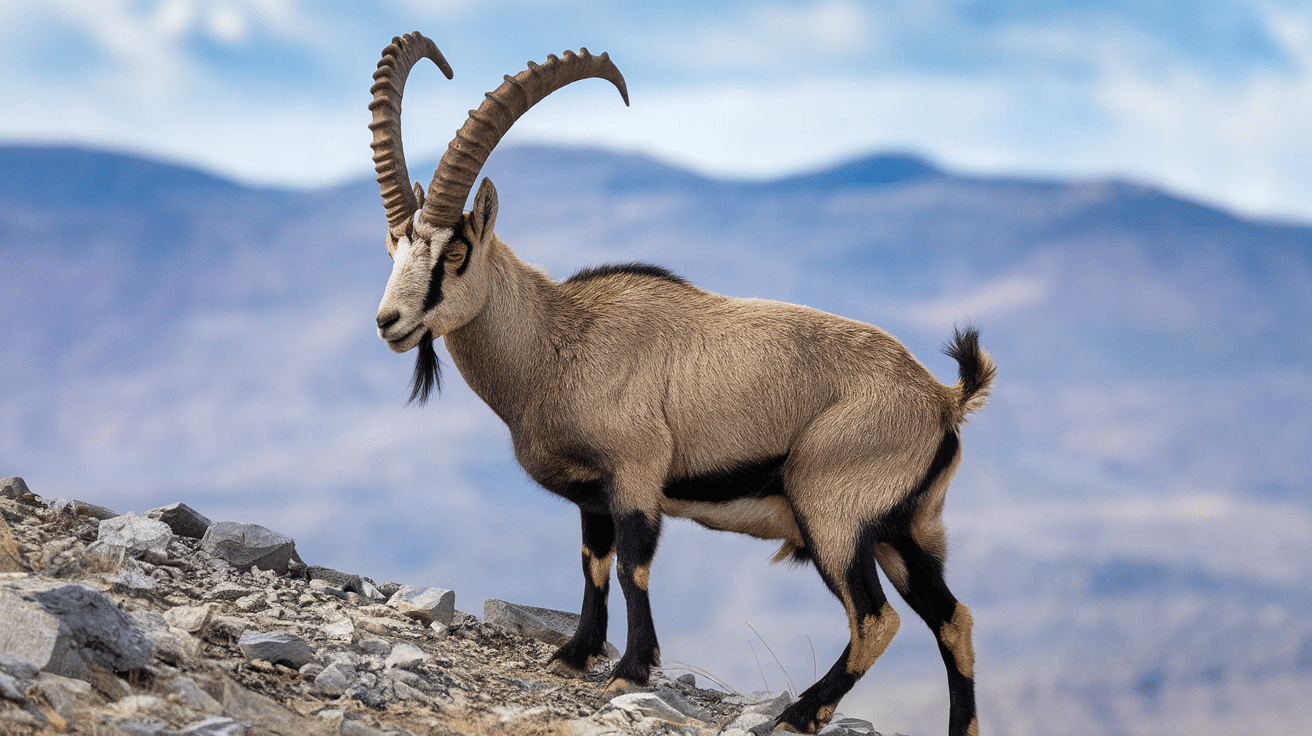
A wild goat is known for its impressive curved horns and incredible agility in steep, mountainous terrain. It is highly adapted to surviving in harsh, rocky environments.
- Origin: Native to Europe, Asia, and North Africa.
- Habitat: Rocky cliffs and alpine meadows.
- Scientific Name: Capra ibex.
- Fun Fact: Ibex can climb near-vertical cliffs to escape predators.
2. Icelandic Horse
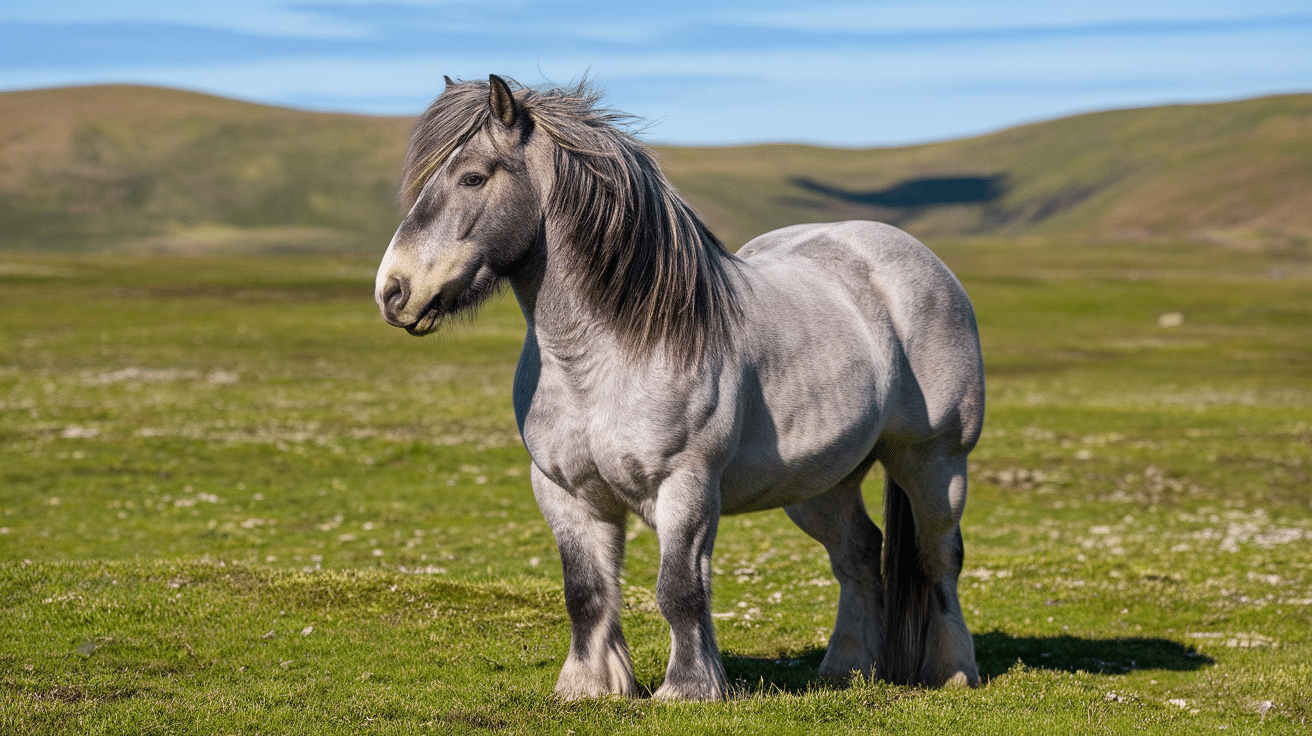
A small, sturdy horse breed famous for its versatility and unique gaits. They are well-adapted to Iceland’s extreme weather conditions and rugged landscapes.
- Origin: Originated in Iceland, brought by Norse settlers over 1,000 years ago.
- Habitat: Thrives in Iceland’s rugged, cold terrain, including mountains, valleys, and volcanic plains.
- Scientific Name: Equus ferus caballus.
- Fun Facts: Icelandic Horses are one of the purest breeds, as Iceland prohibits importing horses, and they can display over 40 coat colors and patterns!
3. Ibizan Hound
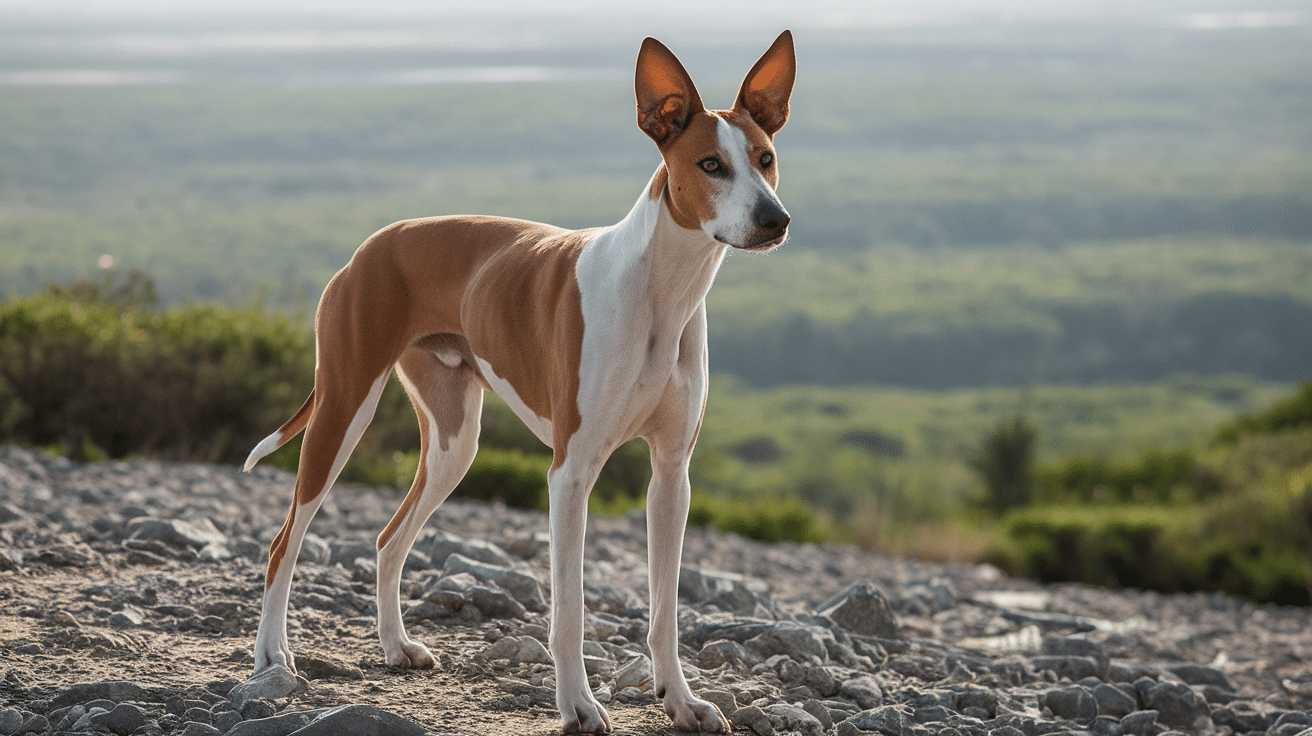
A sleek, athletic dog breed renowned for its hunting abilities, especially in chasing small game. It has tall, upright ears and a keen sense of sight.
- Origin: Originated in Ibiza, Spain.
- Habitat: Domesticated; thrives in active households.
- Scientific Name: Canis lupus familiaris.
- Fun Fact: They are excellent jumpers and can clear tall fences with ease.
4. Icelandic Sheepdog
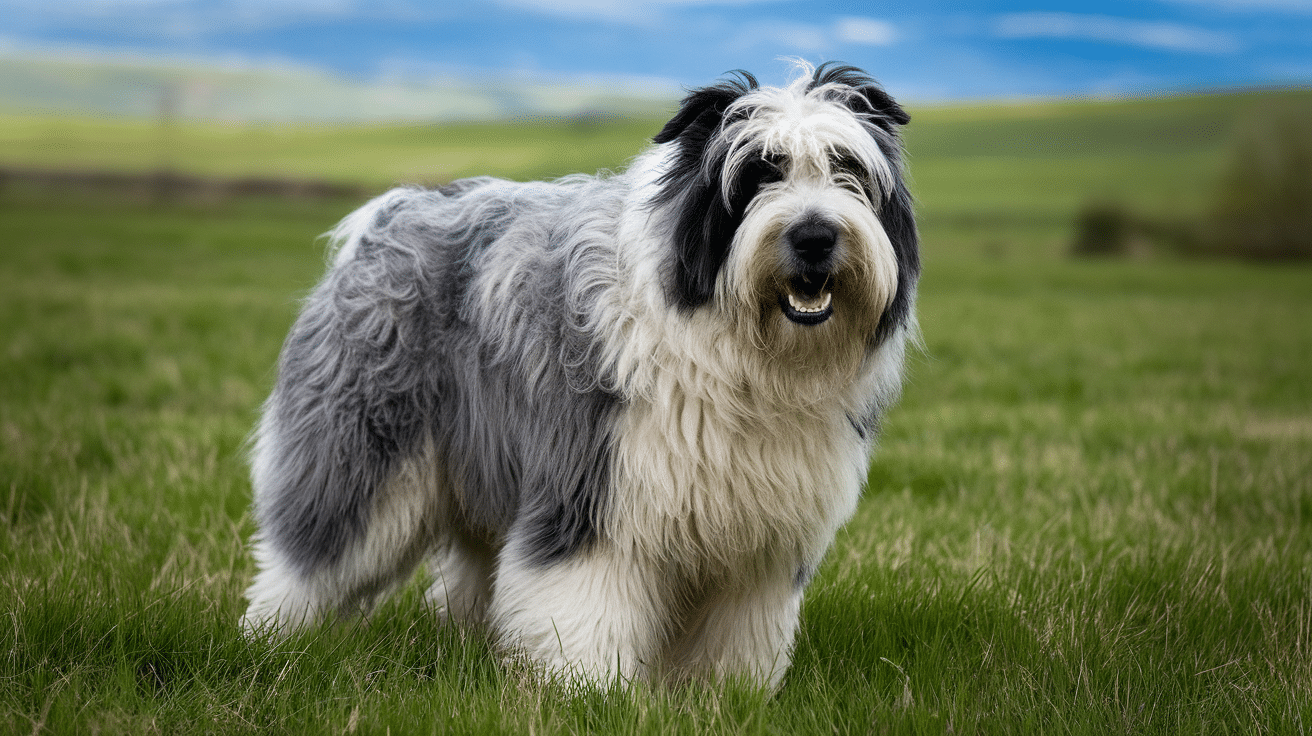
A friendly and energetic herding dog with a thick coat, originally brought to Iceland by the Vikings. Known for its agility and intelligence, it’s an excellent companion.
- Origin: Brought to Iceland by Vikings over 1,000 years ago.
- Habitat: Domesticated; common in rural Iceland.
- Scientific Name: Canis lupus familiaris.
- Fun Fact: It is one of the oldest dog breeds in the world.
5. Impala
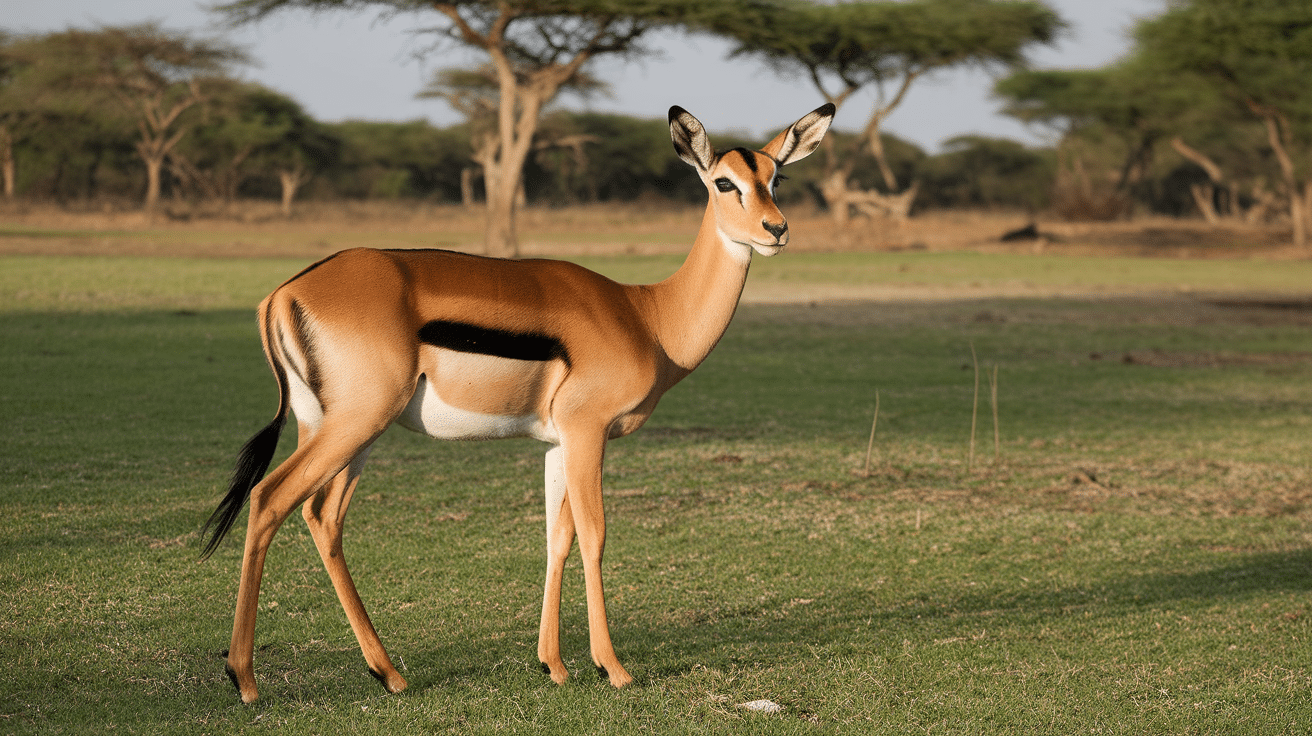
A medium-sized antelope recognized for its sleek body and agility. It is known for its remarkable ability to leap great distances to escape predators.
- Origin: Native to Africa.
- Habitat: Savannas and woodlands.
- Scientific Name: Aepyceros melampus.
- Fun Fact: Impalas can leap up to 10 feet high and 33 feet in distance to escape predators.
6. Indian Elephant
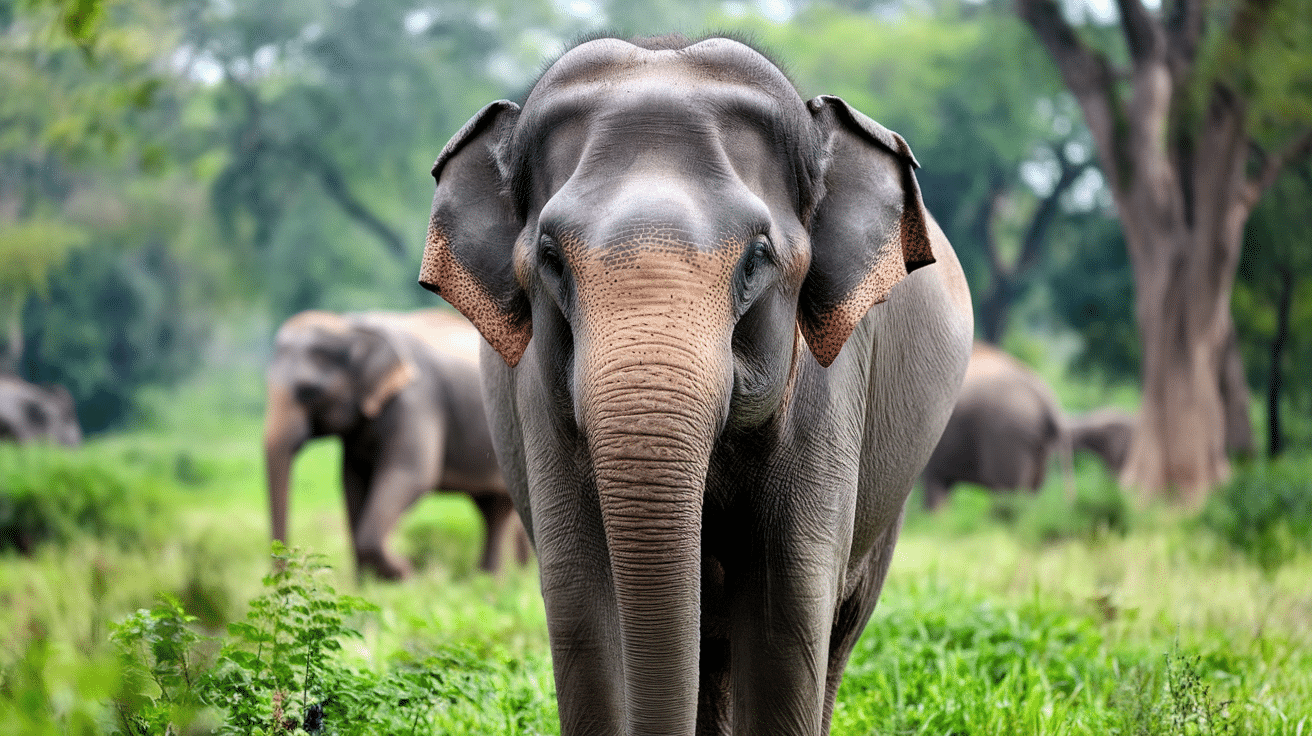
A subspecies of the Asian elephant with smaller ears and a humped back, known for its intelligence and strong social bonds within herds. It is culturally significant in India and other parts of Asia.
- Origin: Native to India and Southeast Asia.
- Habitat: Forests, grasslands, and scrublands.
- Scientific Name: Elephas maximus indicus.
- Fun Fact: They are highly intelligent and can recognize themselves in mirrors.
7. Indian Rhinoceros
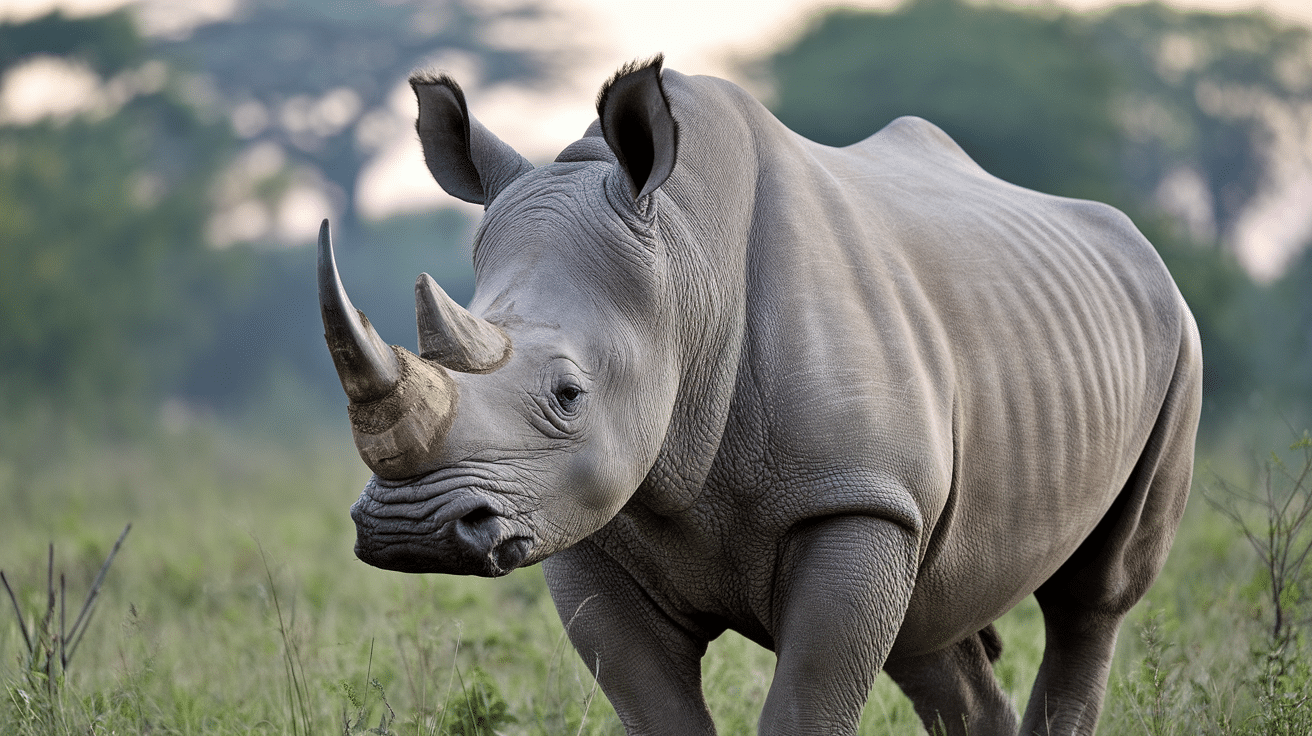
This large, one-horned rhino is known for its thick, armor-like skin folds. It is primarily found in the grasslands and swamps of the Indian subcontinent.
- Origin: Native to the Indian subcontinent.
- Habitat: Grasslands and swamps.
- Scientific Name: Rhinoceros unicornis.
- Fun Fact: They are excellent swimmers and can run up to 34 mph.
8. Indian Palm Squirrel
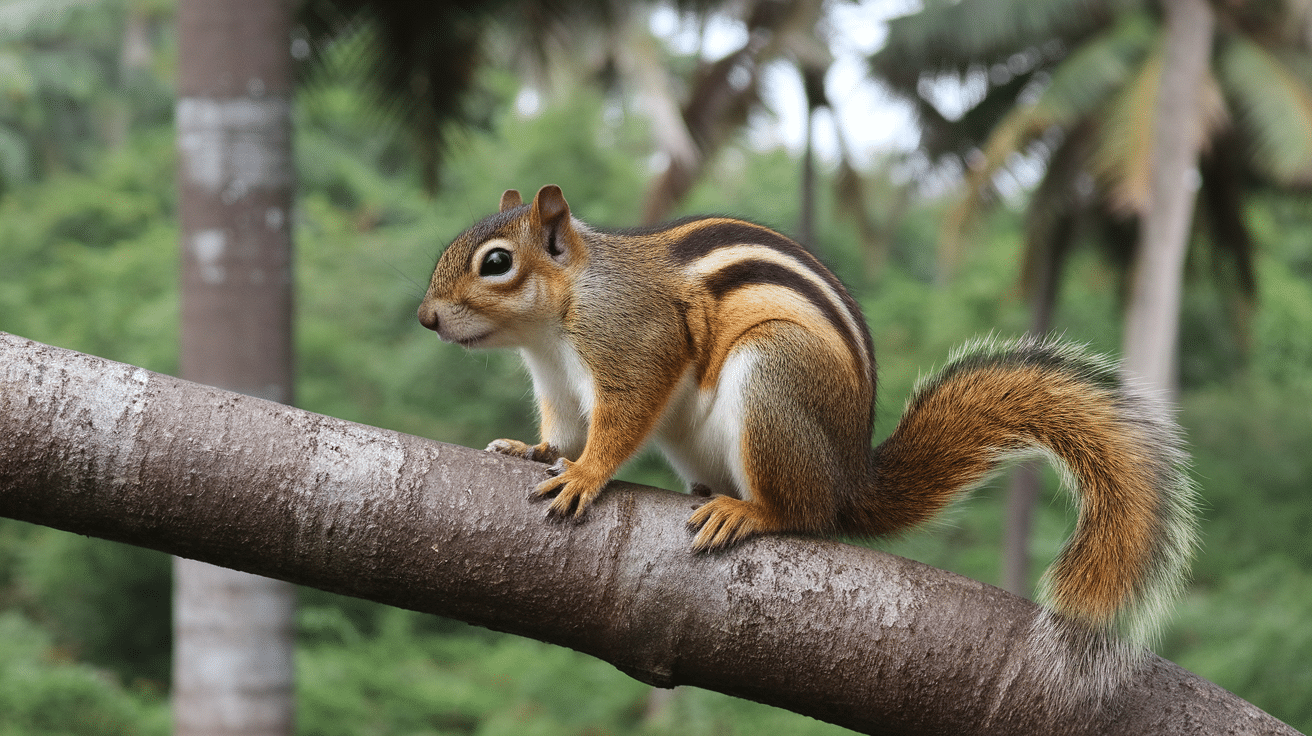
A small, striped squirrel that is commonly found in urban and rural areas across India. It is often seen foraging for food in gardens and forests.
- Origin: Native to India and Sri Lanka.
- Habitat: Forests, gardens, and urban areas.
- Scientific Name: Funambulus palmarum.
- Fun Fact: They are known for their loud, bird-like calls.
9. Indian Giant Squirrel
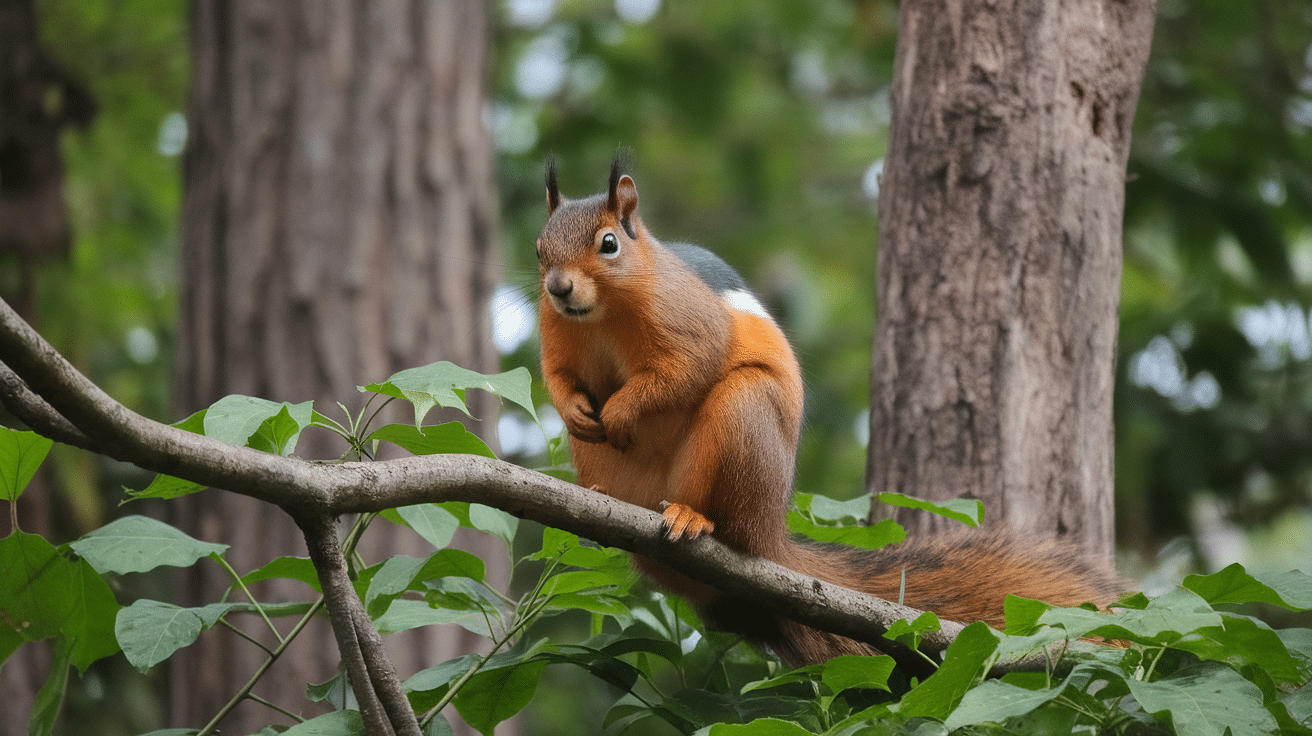
A vibrant and large squirrel species known for its striking fur coat and impressive tail. It is arboreal and spends most of its time in the forest canopy.
- Origin: Native to India.
- Habitat: Tropical and subtropical forests.
- Scientific Name: Ratufa indica.
- Fun Fact: They can leap up to 20 feet between trees.
10. Indian Flying Fox
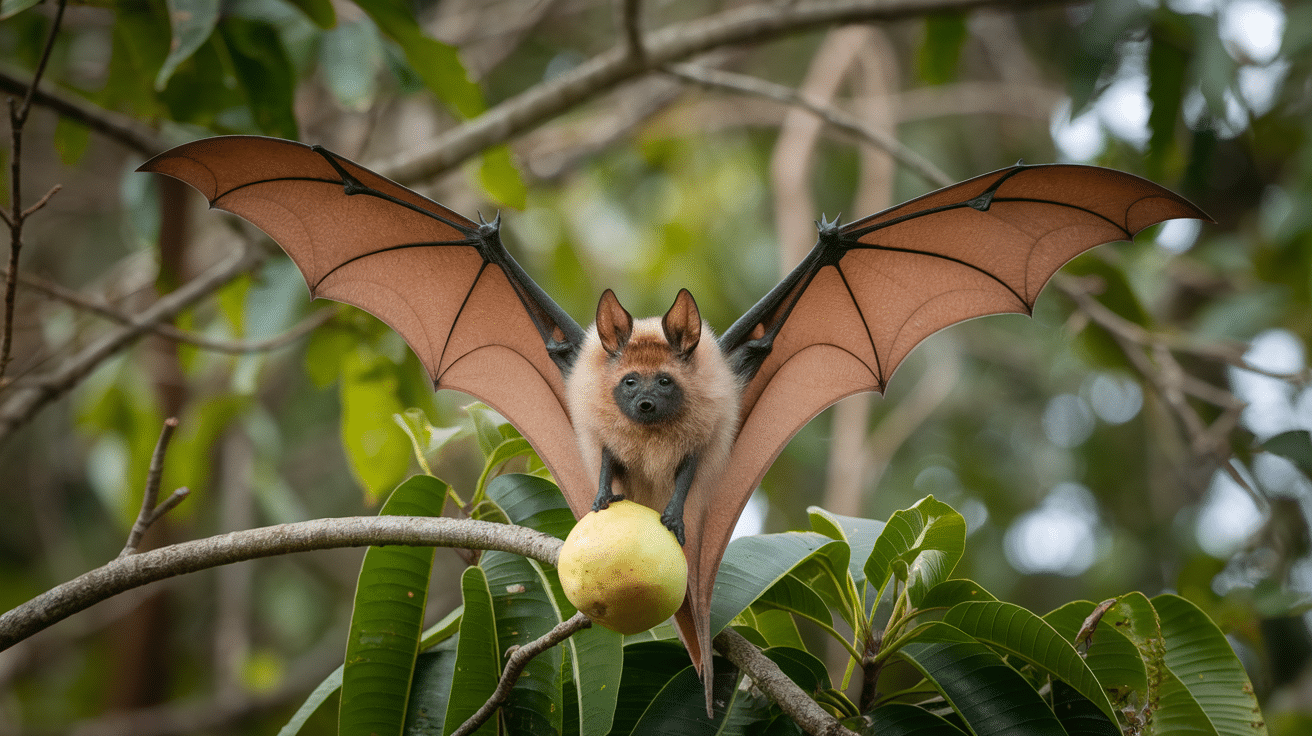
A large species of fruit bat with a wingspan of up to 5 feet is essential for pollinating flowers and dispersing seeds. It is typically seen in large colonies roosting in trees.
- Origin: Native to South Asia.
- Habitat: Forests, mangroves, and urban areas.
- Scientific Name: Pteropus giganteus.
- Fun Fact: They play a crucial role in pollinating flowers and dispersing seeds.
11. Indian Wolf
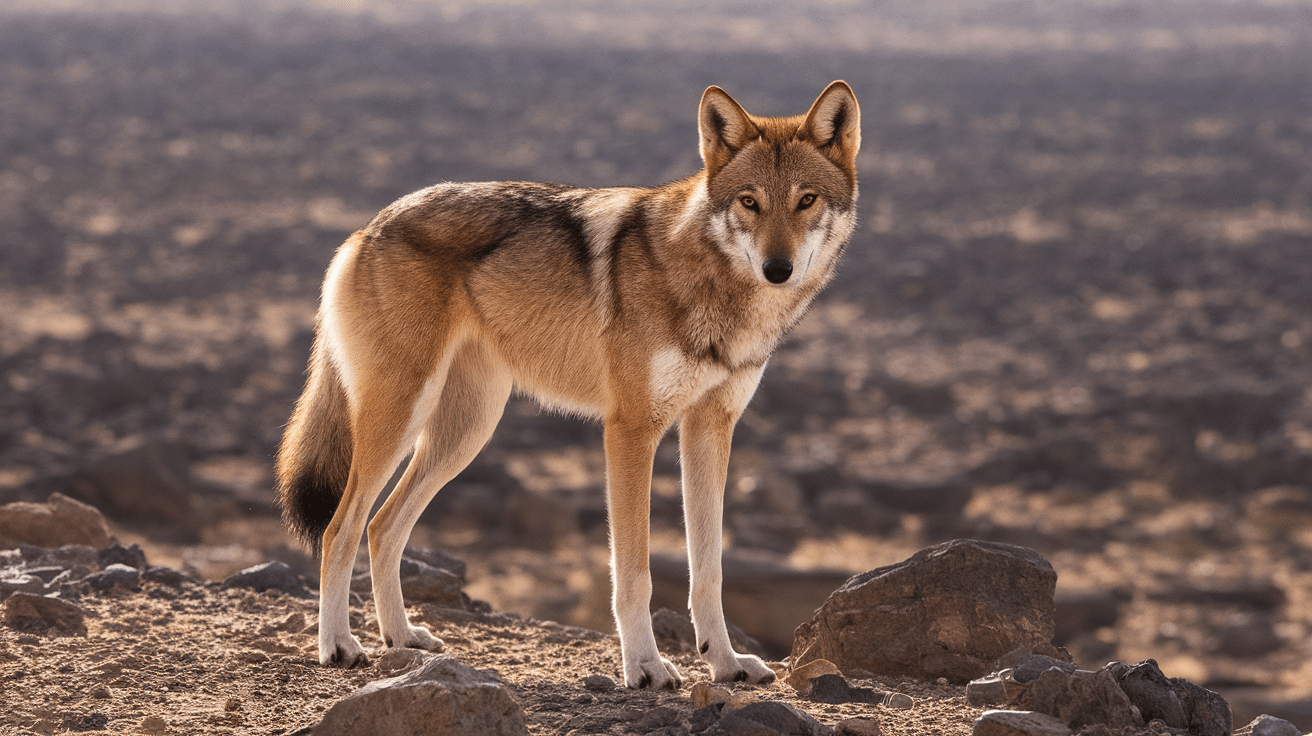
A leaner subspecies of the grey wolf, adapted to arid and semi-desert environments. Known for its social pack structure, it primarily preys on small to medium-sized animals.
- Origin: Native to India and the Middle East.
- Habitat: Scrublands, grasslands, and semi-deserts.
- Scientific Name: Canis lupus pallipes.
- Fun Fact: They are highly social and hunt in packs.
12. Indri
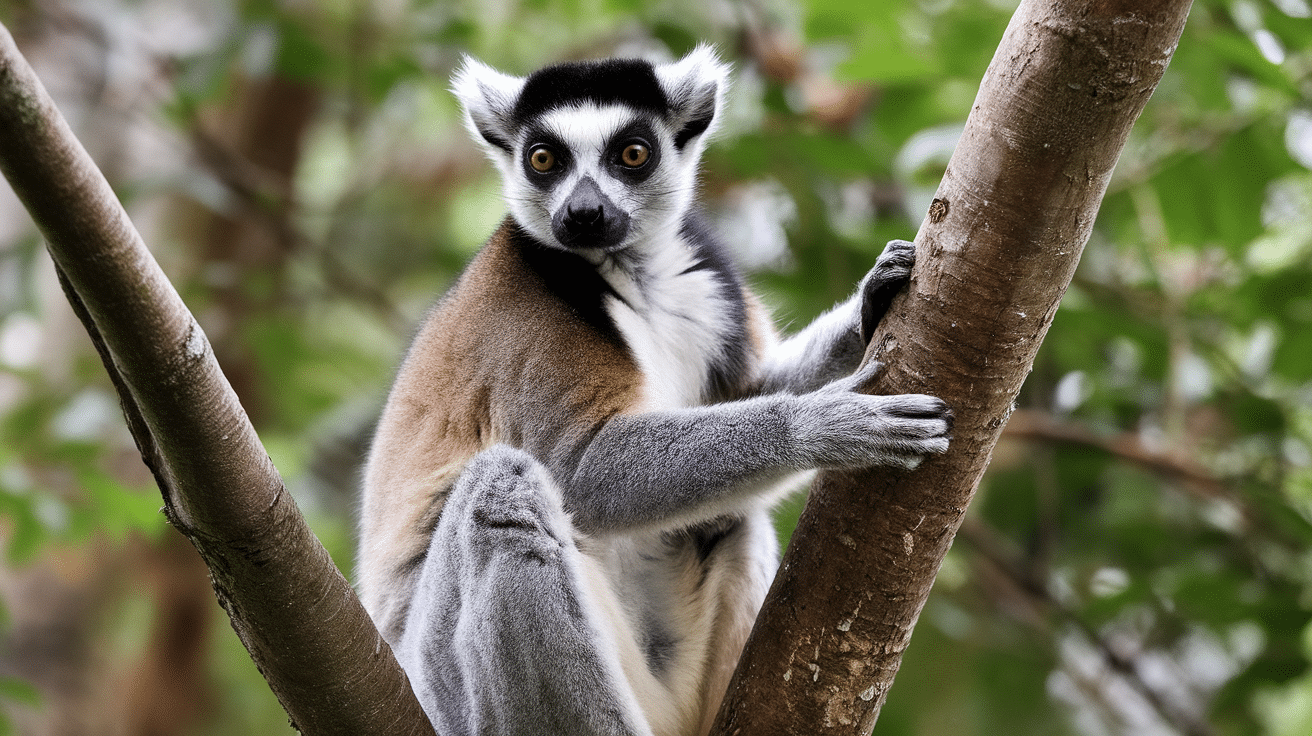
The largest living lemur, recognized for its distinctive black-and-white fur and eerie, haunting calls. Its ability to leap vertically up to 30 feet is one of its remarkable traits.
- Origin: Native to Madagascar.
- Habitat: Rainforests.
- Scientific Name: Indri indri.
- Fun Fact: They are known for their vertical leaping ability, covering up to 33 feet in a single jump.
13. Irish Setter
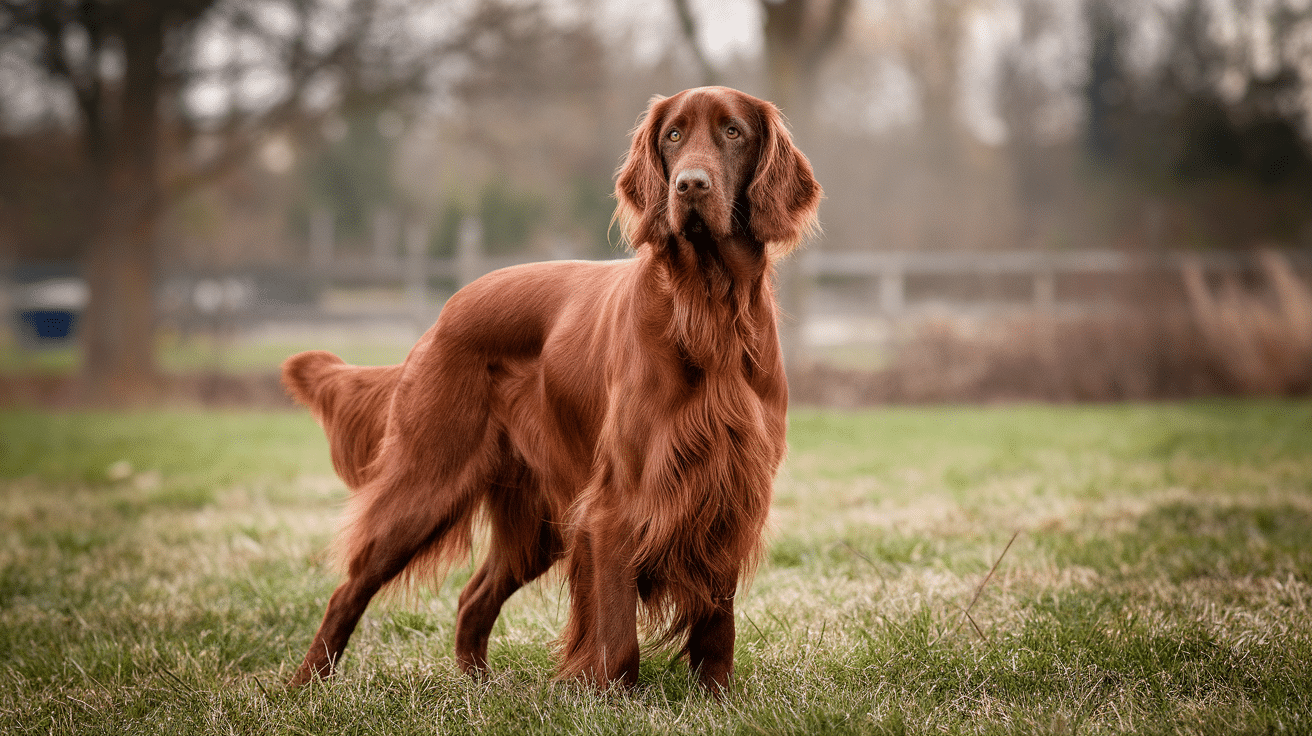
Known for its silky red coat, this energetic dog is widely used as a bird hunter. Its friendly and playful nature makes it a popular family pet.
- Origin: Developed in Ireland.
- Habitat: Domesticated; popular as a family pet.
- Scientific Name: Canis lupus familiaris.
- Fun Fact: They are excellent bird hunters and have a strong sense of smell.
14. Irish Wolfhound
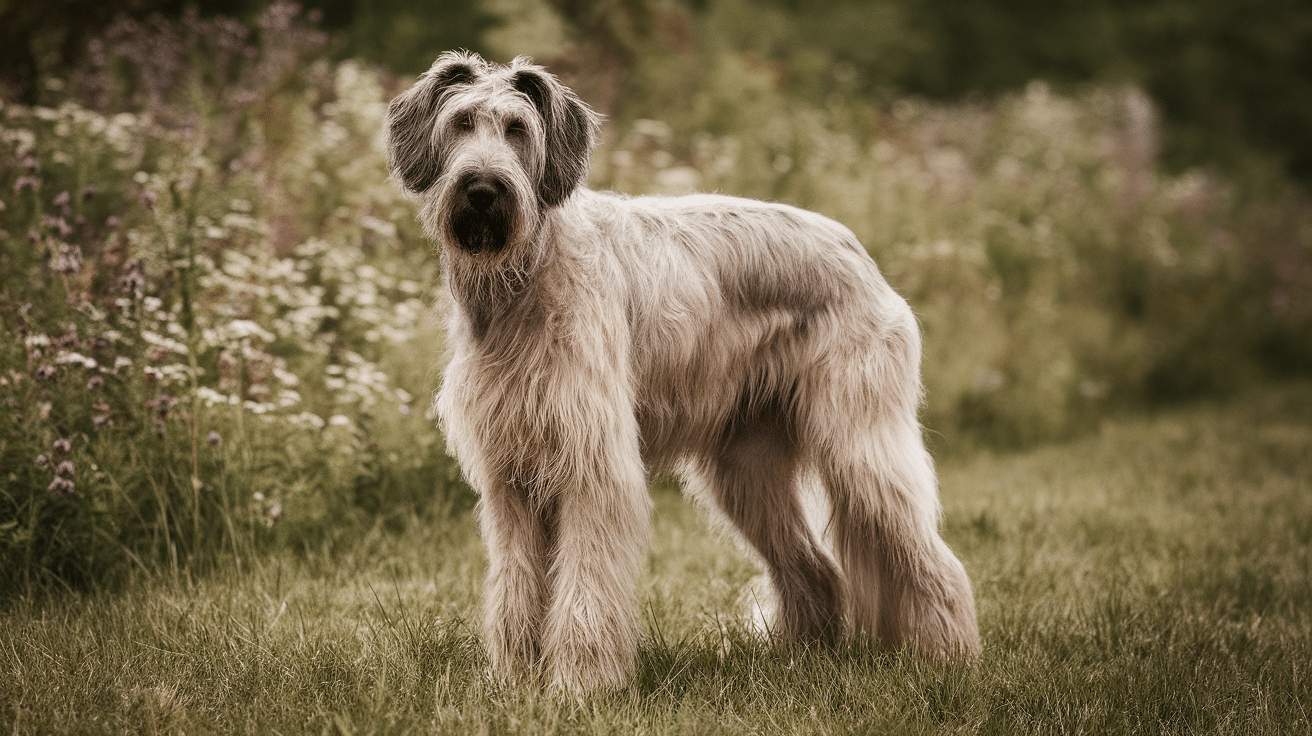
One of the tallest dog breeds, historically bred for hunting large game like wolves and elk. Despite its size, it has a gentle temperament and is good with families.
- Origin: Originated in Ireland.
- Habitat: Domesticated; requires large spaces due to its size.
- Scientific Name: Canis lupus familiaris.
- Fun Fact: They were historically used to hunt wolves and elk.
15. Italian Greyhound
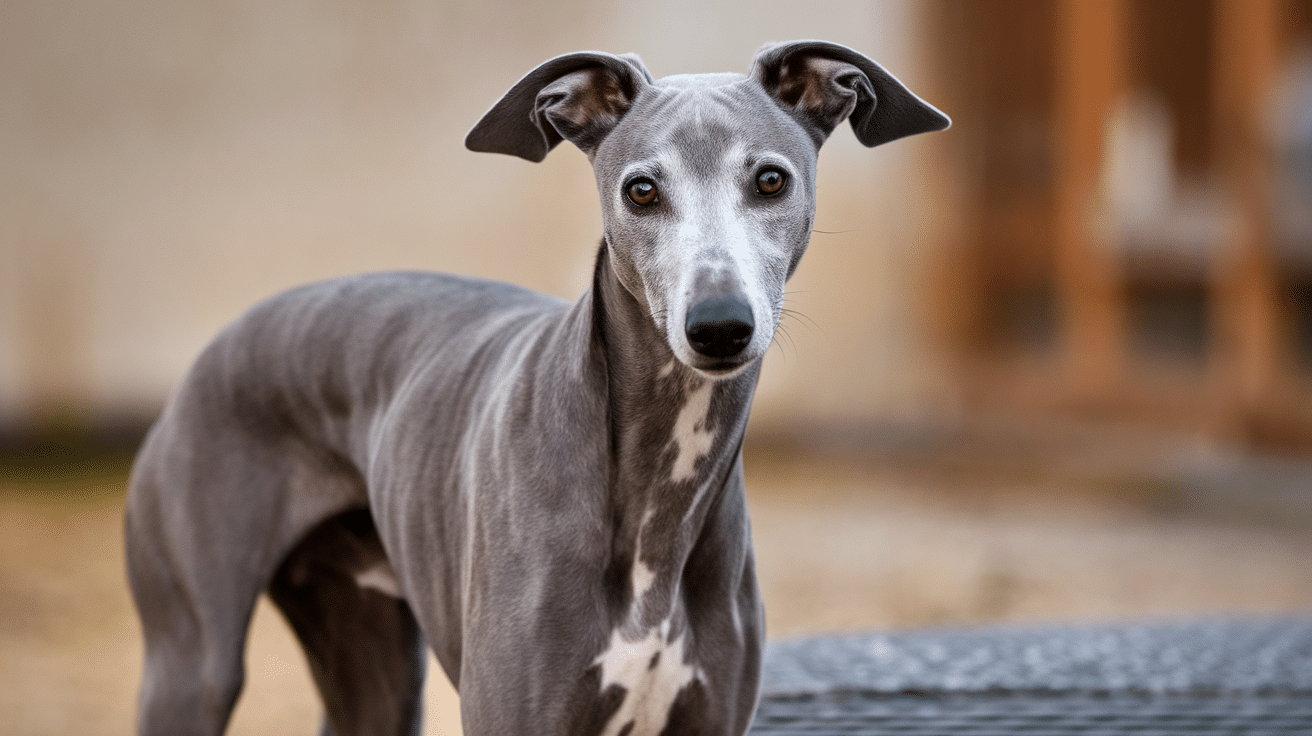
A slender, elegant dog breed with a sleek coat, known for its speed and agility. It is a gentle and affectionate companion, often enjoying cuddling and close contact with its owner.
- Origin: Originated in Italy.
- Habitat: Domesticated; thrives in warm climates.
- Scientific Name: Canis lupus familiarise.
- Fun Fact: They are one of the oldest dog breeds, dating back over 2,000 years.
Reptiles
16. Iguana
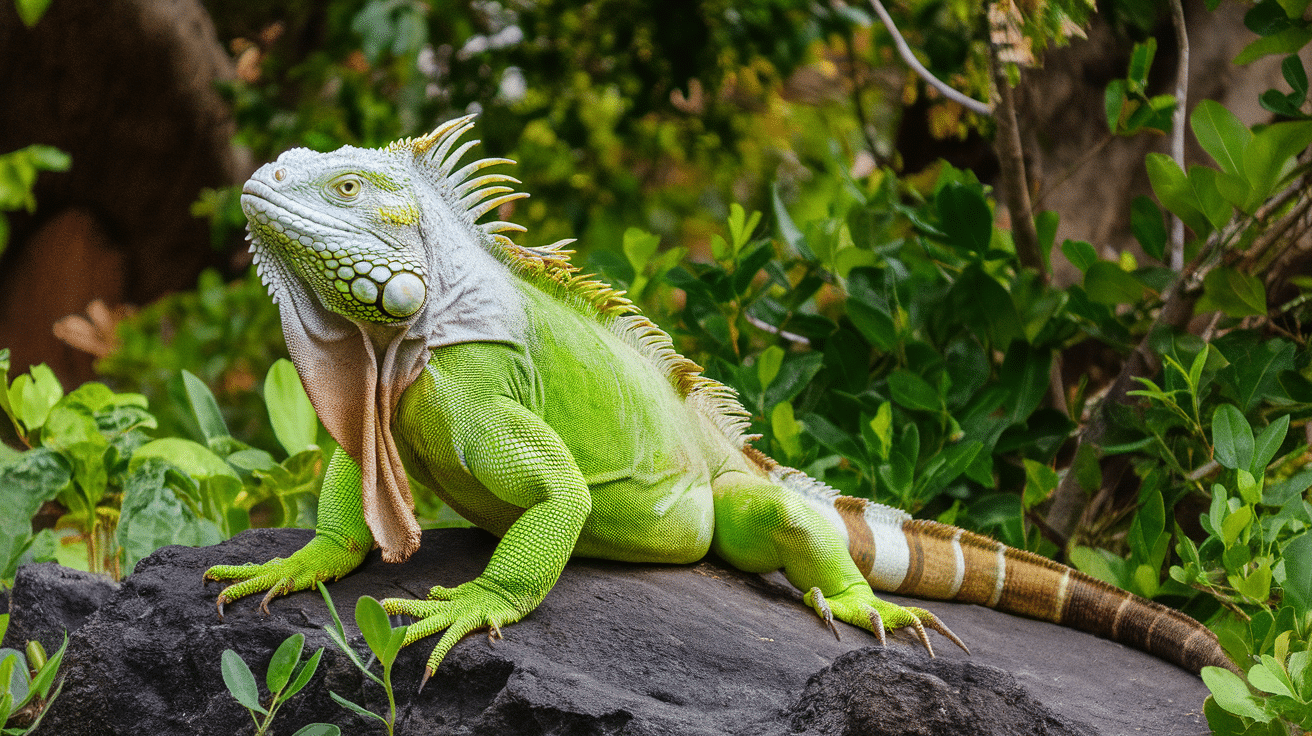
A large herbivorous lizard, recognized for its spiny crest and long tail. It is a popular pet and requires a tropical or subtropical environment to thrive.
- Origin: Central and South America, Caribbean.
- Habitat: Rainforests, deserts, and coastal areas.
- Scientific Name: Iguana iguana.
- Fun Fact: Iguanas can detach their tails to escape predators, and they are excellent swimmers.
17. Indian Cobra
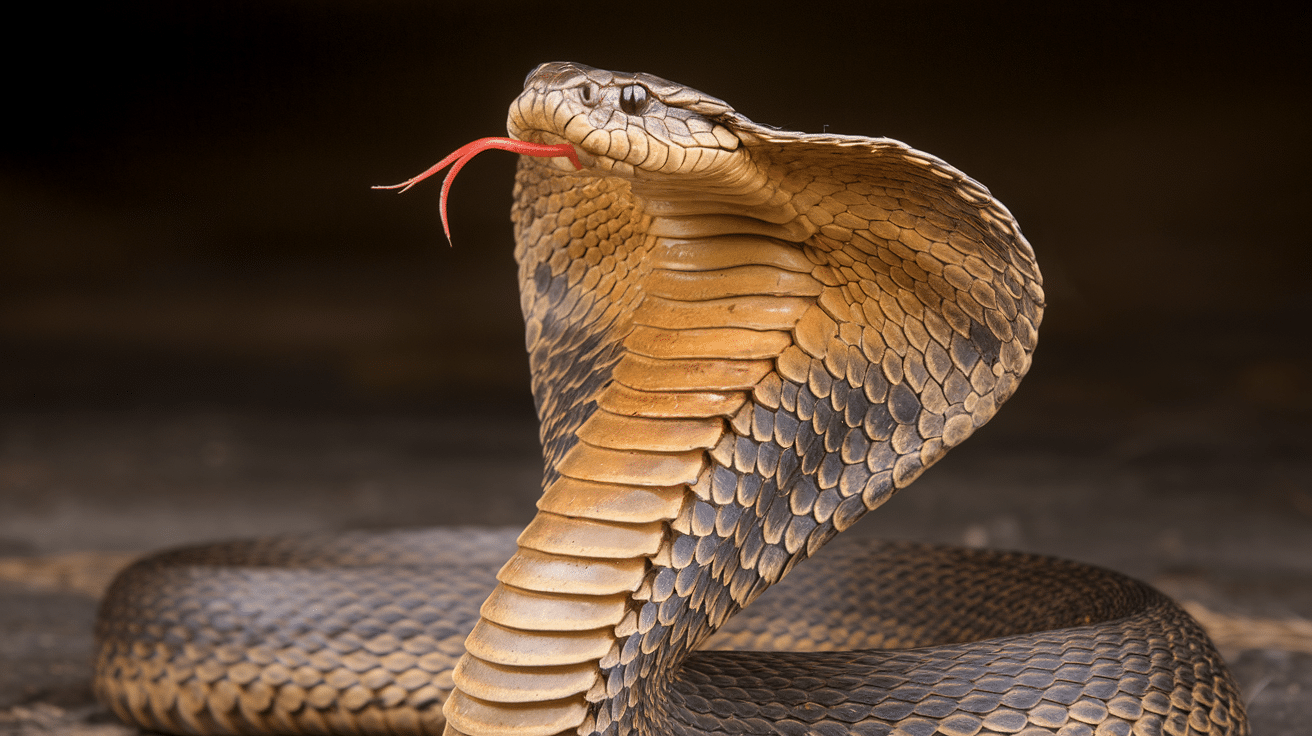
A venomous snake, easily identified by its characteristic hood. It is often featured in religious symbolism and can be highly dangerous if provoked.
- Origin: Indian subcontinent.
- Habitat: Forests, farmlands, and urban areas.
- Scientific Name: Naja naja.
- Fun Fact: The Indian cobra’s venom is neurotoxic and can cause paralysis or death if untreated.
18. Indian Python
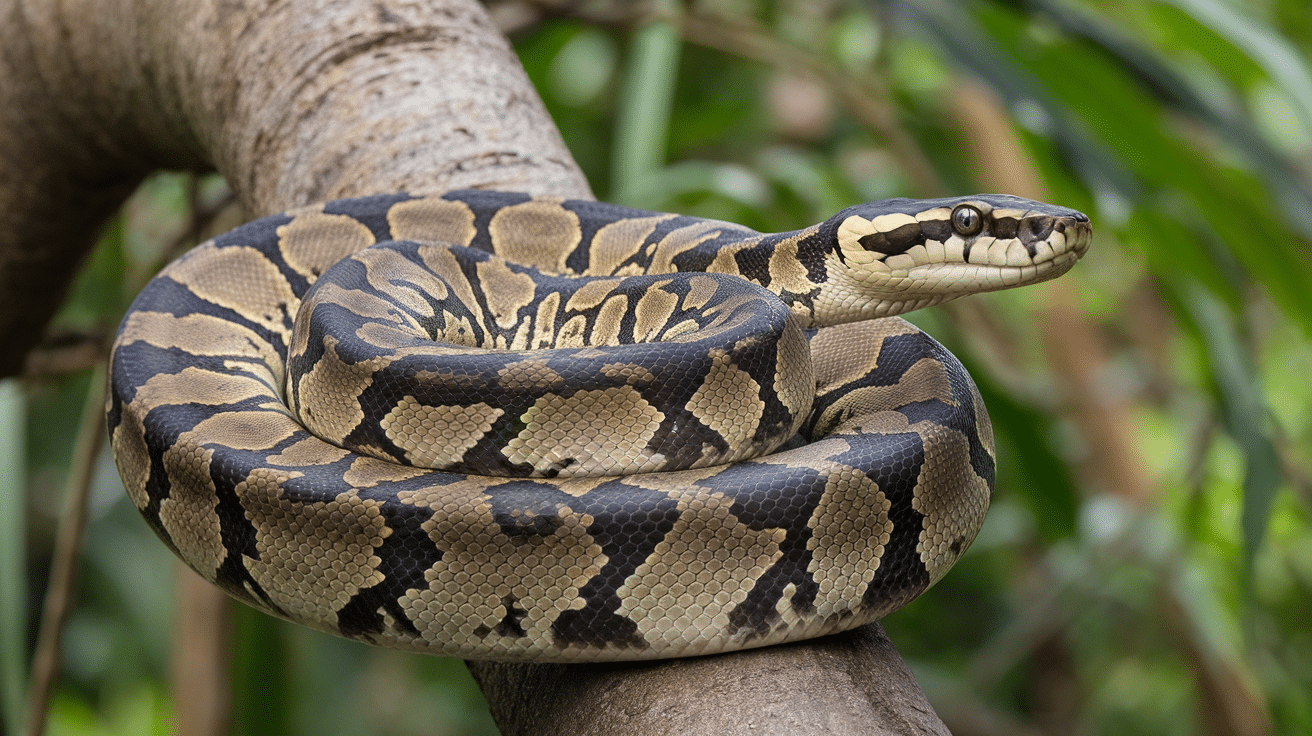
A large, non-venomous constrictor known for its powerful ability to coil and squeeze its prey. It can grow up to 20 feet long, making it one of the longest snake species.
- Origin: Indian subcontinent and Southeast Asia.
- Habitat: Grasslands, swamps, and rocky foothills.
- Scientific Name: Python molurus.
- Fun Fact: Indian pythons can grow up to 20 feet long and swallow prey whole.
19. Indian Star Tortoise
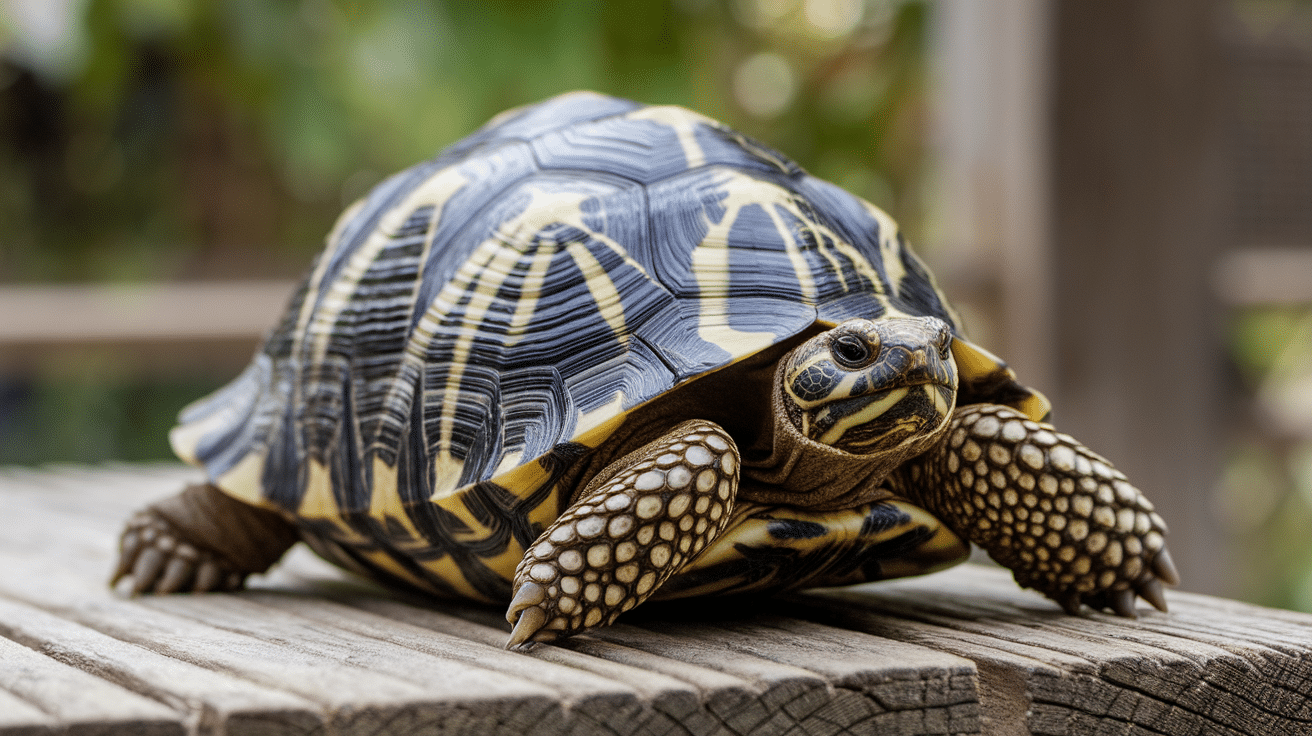
A strikingly beautiful tortoise with a shell marked by star-like patterns. This species is commonly found in dry grasslands and is known for its slow, steady movements.
- Origin: India, Sri Lanka, and Pakistan.
- Habitat: Dry grasslands and scrub forests.
- Scientific Name: Geochelone elegans.
- Fun Fact: Their star-patterned shells provide camouflage in the wild.
20. Indonesian Tree Frog
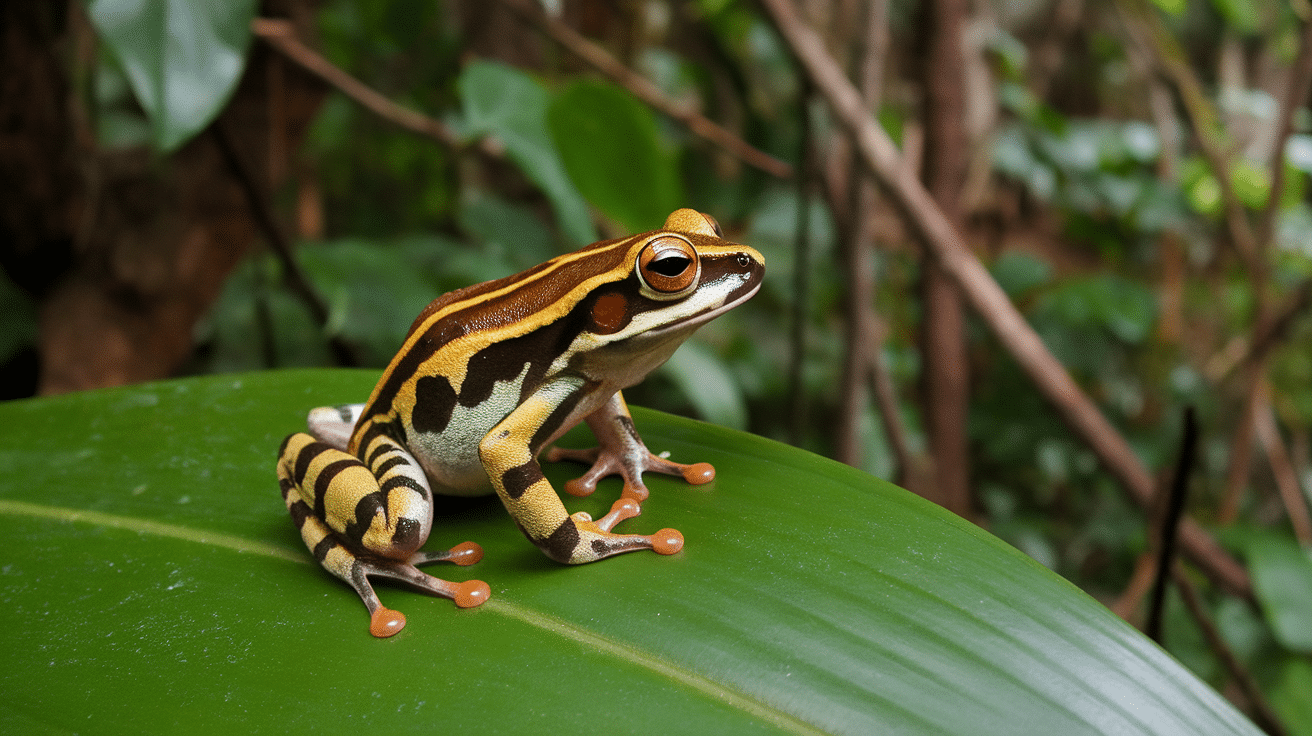
A small, colourful amphibian known for its arboreal lifestyle and sticky toe pads that help it climb. It is often found in tropical rainforests.
- Origin: Indonesia and Southeast Asia.
- Habitat: Tropical rainforests and wetlands.
- Scientific Name: Rhacophorus spp.
- Fun Fact: Some species can glide between trees using their webbed feet.
21. Inland Taipan
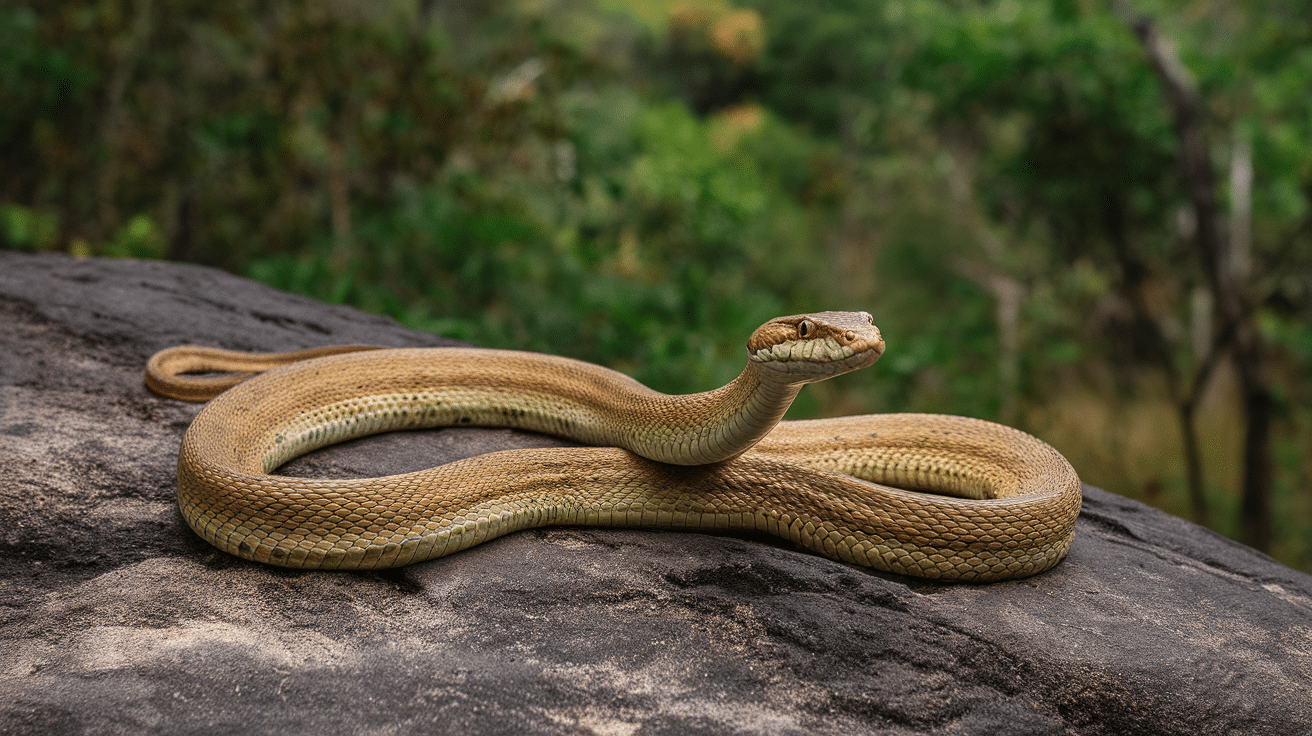
This highly venomous snake is considered the world’s most toxic. Despite its dangerous reputation, it is elusive and rarely encountered by humans.
- Origin: Australia.
- Habitat: Arid deserts and dry plains.
- Scientific Name: Oxyuranus microlepidotus.
- Fun Fact: Its venom is potent enough to kill 100 humans with one bite, but it is shy and rarely seen.
22. Italian Wall Lizard
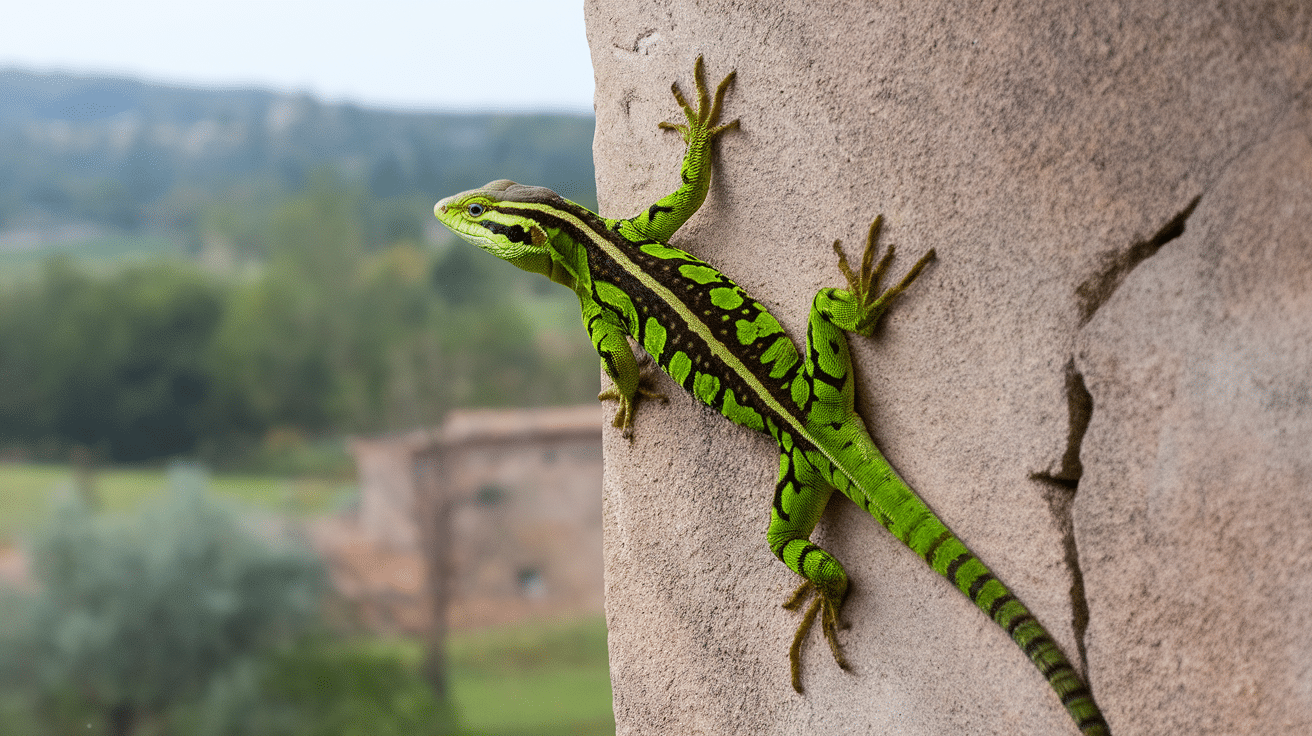
A small and agile lizard, typically seen basking on walls and rocks. It is known for its adaptability to various environments, including urban areas.
- Origin: Italy and the Mediterranean region.
- Habitat: Rocky areas, gardens, and urban environments.
- Scientific Name: Podarcis sicula.
- Fun Fact: It can regenerate its tail if lost to a predator.
23. Ivory Coast Mud Turtle
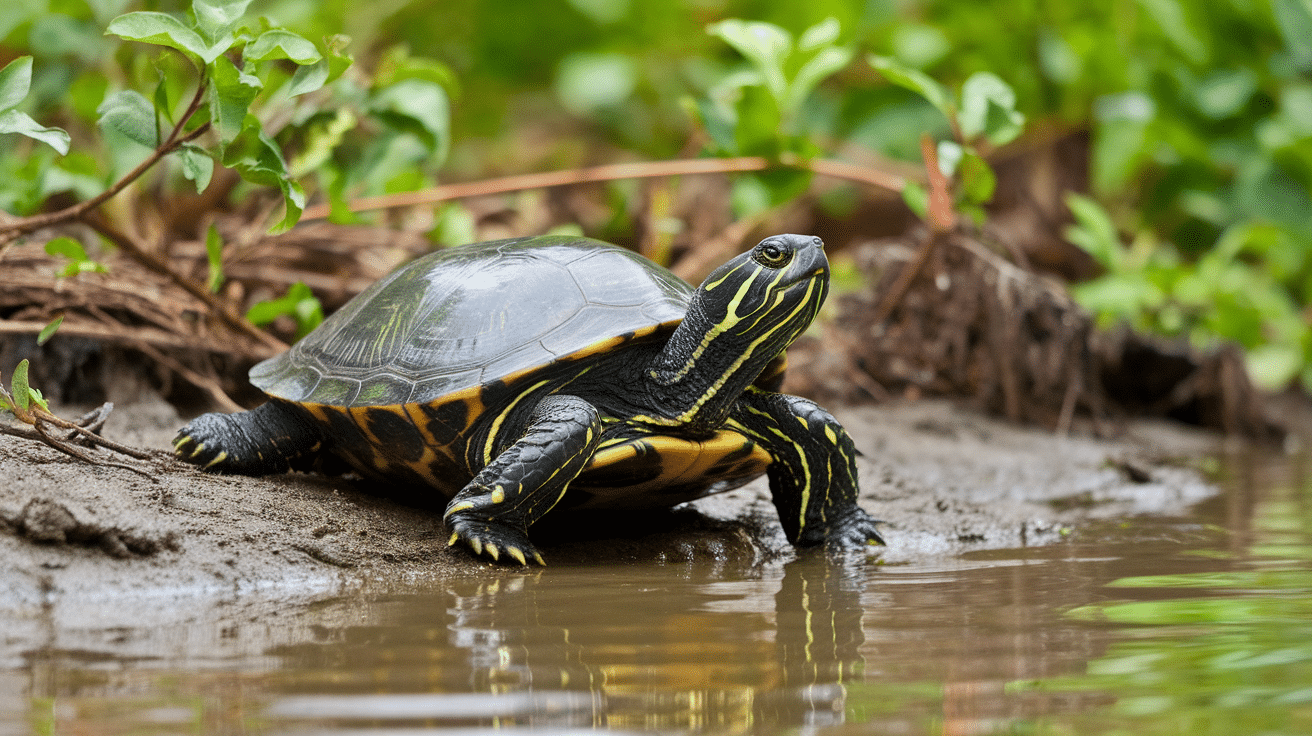
A small turtle species with a dark shell, often found in the slow-moving rivers and swamps of West Africa. It can bury itself in the mud to survive dry seasons.
- Origin: West Africa (Ivory Coast).
- Habitat: Swamps, marshes, and slow-moving rivers.
- Scientific Name: Pelusios castaneus.
- Fun Fact: It buries itself in mud during dry seasons to survive.
24. Indian Chameleon
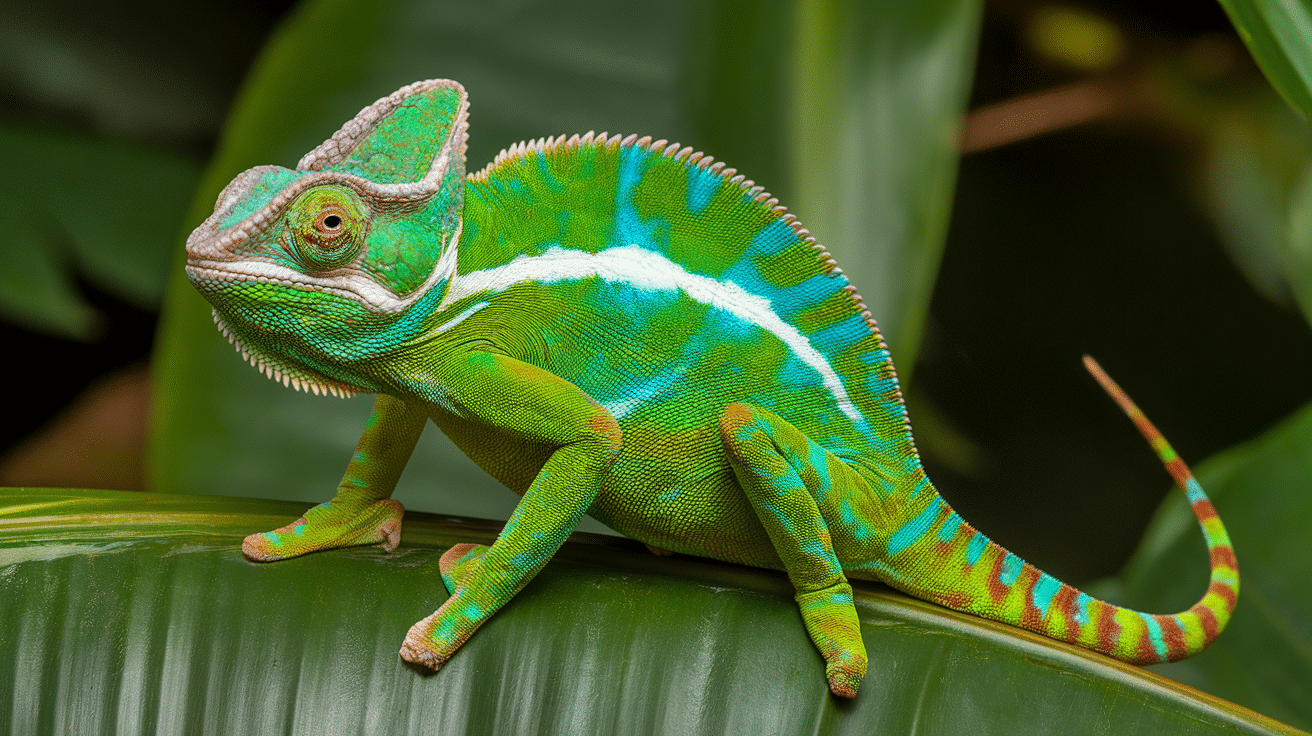
A reptile is known for its ability to change color, offering it camouflage in various environments. It also has independently moving eyes and a prehensile tail for gripping.
- Origin: Indian subcontinent.
- Habitat: Forests, plantations, and gardens.
- Scientific Name: Chamaeleo zeylanicus.
- Fun Fact: It can rotate its eyes 180 degrees to look in two directions at once.
25. Indian Sand Boa
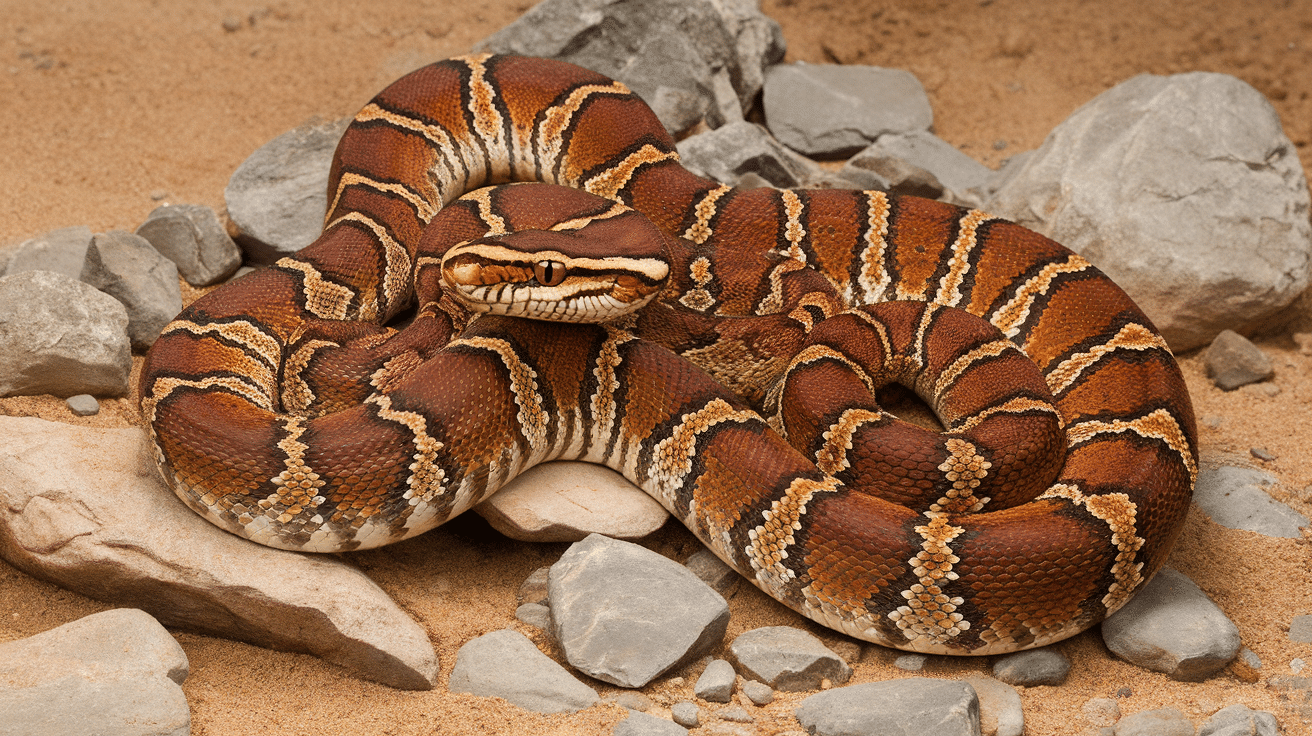
A stout snake that burrows into sandy environments, is often mistaken for a two-headed snake due to its blunt tail. It ambushes its prey by using its tail to mimic its head.
- Origin: Indian subcontinent.
- Habitat: Sandy deserts and scrublands.
- Scientific Name: Eryx johnii.
- Fun Fact: It burrows in the sand and ambushes prey, using its tail to mimic its head.
Some More Species That Start With I
Fish
26. Icefish
27. Ide (fish species)
28. Indian Glassfish
29. Indian Mackerel
30. Indian Ocean Sailfish
31. Indonesian Cardinalfish
32. Iridescent Shark
33. Island Catfish
34. Italian Carp
35. Ivory Damselfish
Insects
36. Ichneumon Wasp
37. Indian Meal Moth
38. Indian Stick Insect
39. Io Moth
40. Ironclad Beetle
41. Island Marble Butterfly
42. Imperial Moth
43. Indian Red Scorpion
44. Ivory-marked Beetle
45. Ichneumon Fly
Marine Animals
46. Immortal Jellyfish
47. Indian Ocean Humpback Dolphin
48. Isopod
49. Irukandji Jellyfish
50. Ivory Coral
51. Indian Ocean Squid
52. Island Canaryfish
53. Ivory Snail
54. Indian Ocean Clownfish
55. Ice Cod
Amphibians
56. Italian Crested Newt
57. Indian Bullfrog
58. Indonesian Tree Frog
59. Ivory Coast Toad
60. Iberian Midwife Toad
61. Italian Stream Frog
62. Indian Purple Frog
63. Izu Tadpole Frog
64. Ivory Coast Reed Frog
65. Italian Spadefoot Toad
Invertebrates
66. Irukandji Jellyfish
67. Isopod
68. Ivory Snail
69. Indian Ocean Octopus
70. Ivory Coral
71. Italian Earthworm
72. Indian Ocean Sea Cucumber
73. Ivory Coast Millipede
74. Island Hermit Crab
75. Indian Ocean Starfish
Extinct Animals
76. Ichthyosaur
77. Iguanodon
78. Indricotherium
79. Irish Elk
80. Imperial Mammoth
81. Ischyromys
82. Ichthyornis
83. Icaronycteris
84. Inostrancevia
85. Irritator
Mythical and Fictional Animals
86. Ice Dragon
87. Ice Phoenix
88. Imp
89. Ironclad Beast
90. Island Serpent
91. Ivory Unicorn
92. Inferno Hound
93. Iridescent Leviathan
94. Imperial Griffin
95. Inkling
Lesser-Known Animals
96. Ili Pika
97. Indian Pangolin
98. Indian Wild Ass
99. Indochinese Tiger
100. Indri Lemur
101. Iriomote Cat
102. Island Fox
103. Island Night Lizard
104. Italian Sparrow
105. Ivory-billed Aracari
Domesticated Animals
106. Indian Runner Duck
107. Irish Terrier
108. Italian Mastiff
109. Ibizan Hound
110. Irish Water Spaniel
111. Italian Greyhound
112. Indian Pariah Dog
113. Iberian Pig
114. Icelandic Sheep
Rare and Exotic Animals
115. Indian Ocean Gecko
116. Ivory Gull
117. Island Whistler
118. Ivory Coast Chimpanzee
119. Indian Ocean Bottlenose Dolphin
120. Iberian Frog
121. Ivory Coast Hornbill
122. Island Flying Fox
123. Indian Ocean Parrotfish
Hybrid Animals
124. Iron Wolf
125. Ice Tiger
126. Imperial Eagle-Owl
127. Island Fox-Dog
128. Ivory Unicorn-Pegasus
Bonus Animals
129. Indian Ocean Manta Ray
130. Ivory Coast Antelope
131. Island Boa
132. Italian Wall Gecko
133. Indian Ocean Seahorse
Conclusion
This blog post has introduced you to a captivating assortment of animals that start with the letter “I”.
Exploring this diverse list is not only super entertaining but also a great way to expand your knowledge of the incredible animals that share our planet.
Be sure to check out the complete list and impress your friends and family with your extraordinary animal trivia!
Nature is full of surprises, and you never know what other surprising “I” animals are out there waiting to be found.
So go ahead – Learn, explore, and enjoy!