

Did you know there are over 30 vegetables that start with the letter L, yet most people can only name two or three?
From the common lettuce in your salad bowl to the exotic lotus root hiding in specialty markets, the “L” family of vegetables offers unexpected culinary treasures.
Many home cooks hit a wall when trying to diversify their vegetable intake beyond the usual suspects.
This comprehensive guide solves that problem by introducing you to distinct L-vegetables worldwide.
Whether participating in an alphabetical food challenge, wanting to impress dinner guests, or expanding your nutritional knowledge.
This list provides everything you need to know about these unique plant foods. Get ready to find new flavors that could completely change your cooking repertoire.
List of Vegetables Starting with L
1. Lacinato Kale


Scientific Name:Brassica oleracea var. palmifolia
Origin: Mediterranean region
Appearance & Taste: Dark green, bumpy leaves with a slightly sweet and earthy flavor.
| Nutritional Benefits | Culinary Uses | Harvesting Season | Growing Conditions |
|---|---|---|---|
| High in vitamins A, C, and K | Used in salads, soups, and sautés | Fall to early winter | Prefers full sun and well-drained soil |
Fun Facts:
- Also called dinosaur kale due to its bumpy texture.
- Unlike other kales, it becomes sweeter after frost.
2. Lagos Spinach


Scientific Name:Celosia argentea
Origin: West Africa and Asia
Appearance & Taste: Green leaves with a mild, slightly spinach-like taste.
| Nutritional Benefits | Culinary Uses | Harvesting Season | Growing Conditions |
|---|---|---|---|
| High in iron and antioxidants | Used in soups, stews, and stir-fries | Warm months | Thrives in hot, humid climates |
Fun Facts:
- Known as “soko” in Nigerian cuisine.
- Leaves and seeds are both edible.
3. Lamb’s Lettuce


Scientific Name:Valerianella locusta
Origin: Europe and Asia
Appearance & Taste: Small, tender green leaves with a nutty and mild taste.
| Nutritional Benefits | Culinary Uses | Harvesting Season | Growing Conditions |
|---|---|---|---|
| High in vitamin C and folate | Used in salads and sandwiches | Cool-season crop | Prefers moist, well-drained soil |
Fun Facts:
- Also known as “mâche” in French cuisine.
- A favorite green for winter salads.
4. Land Cress


Scientific Name:Barbarea verna
Origin: Europe and North America
Appearance & Taste: Small green leaves with a peppery, slightly bitter flavor.
| Nutritional Benefits | Culinary Uses | Harvesting Season | Growing Conditions |
|---|---|---|---|
| High in vitamin K and antioxidants | Used in salads, soups, and pestos | Spring and fall | Grows well in cool, moist conditions |
Fun Facts:
- Often used as a substitute for watercress.
- It was once a popular home remedy for scurvy.
5. Lantana Berries (Edible variety only)


Scientific Name:Lantana camara
Origin: Central and South America
Appearance & Taste: Small black or dark purple berries with a tart, citrusy flavor.
| Nutritional Benefits | Culinary Uses | Harvesting Season | Growing Conditions |
|---|---|---|---|
| Rich in antioxidants and vitamin C | Used in jams and sauces | Late summer to fall | Prefers warm, dry climates |
Fun Facts:
- Only ripe berries are edible; unripe ones are toxic.
- It is used in traditional medicine in some cultures.
6. Lao Pumpkin


Scientific Name:Cucurbita moschata
Origin: Southeast Asia
Appearance & Taste: Medium-sized green to orange pumpkin with sweet, nutty flesh.
| Nutritional Benefits | Culinary Uses | Harvesting Season | Growing Conditions |
|---|---|---|---|
| High in beta-carotene, fiber, and vitamin A | Used in soups, curries, and stir-fries | Late summer to fall | Thrives in warm climates with well-drained soil |
Fun Facts:
- A staple vegetable in Laotian cuisine.
- The young shoots and flowers are also edible.
7. Lappa Root (Burdock Root)

Scientific Name:Arctium lappa
Origin: Europe and Asia
Appearance & Taste: Long, dark brown root with a mild, earthy flavor.
| Nutritional Benefits | Culinary Uses | Harvesting Season | Growing Conditions |
|---|---|---|---|
| High in fiber, potassium, and antioxidants | Used in soups, teas, and stir-fries | Fall and winter | Prefers loose, well-drained soil |
Fun Facts:
- Popular in Japanese cuisine, known as “gobo.”
- Often used in herbal medicine for detoxification.
8. Lapland Cornel (Edible Shoots)


Scientific Name:Cornus suecica
Origin: Northern Europe and North America
Appearance & Taste: Small, dark green leaves with a slightly tangy taste.
| Nutritional Benefits | Culinary Uses | Harvesting Season | Growing Conditions |
|---|---|---|---|
| Rich in vitamins C and K | Used in traditional Arctic dishes | Summer | Grows in cold climates with moist soil |
Fun Facts:
- Common in Scandinavian diets.
- The berries are also edible and slightly sweet.
9. Large White Bean


Scientific Name:Phaseolus vulgaris
Origin: South America
Appearance & Taste: Large, creamy white beans with a mild flavor.
| Nutritional Benefits | Culinary Uses | Harvesting Season | Growing Conditions |
|---|---|---|---|
| High in protein, fiber, and iron | Used in soups, stews, and salads | Summer | He prefers warm, sunny climates |
Fun Facts:
- Also known as cannellini beans.
- Popular in Italian and Mediterranean dishes.
10. Lavender Beans

Scientific Name:Phaseolus vulgaris
Origin: Central and South America
Appearance & Taste: Purple-hued beans with a creamy texture and nutty taste.
| Nutritional Benefits | Culinary Uses | Harvesting Season | Growing Conditions |
|---|---|---|---|
| Rich in protein and fiber | Used in stews, chili, and side dishes | Late summer | Requires well-drained soil and full sun |
Fun Facts:
- The purple color fades when cooked.
- A rare heirloom variety used in gourmet dishes.
11. Leek


Scientific Name:Allium ampeloprasum
Origin: Mediterranean and Central Asia
Appearance & Taste: Long, thick stalks with a mild onion-like flavor.
| Nutritional Benefits | Culinary Uses | Harvesting Season | Growing Conditions |
|---|---|---|---|
| High in vitamin K and folate | Used in soups, quiches, and stir-fries | Late fall to winter | He prefers cool weather and well-drained soil |
Fun Facts:
- National symbol of Wales.
- Sweeter and milder than onions when cooked.
12. Leopard Melon (Used as a Vegetable in Some Regions)


Scientific Name:Cucumis melo
Origin: Africa and Asia
Appearance & Taste: Small, round melon with striped skin and mildly sweet flesh.
| Nutritional Benefits | Culinary Uses | Harvesting Season | Growing Conditions |
|---|---|---|---|
| High in vitamin C and antioxidants | Used in soups, salads, and stir-fries | Summer | Thrives in warm, dry climates |
Fun Facts:
- It can be eaten raw or cooked like squash.
- Traditionally used in Asian cuisine.
13. Lerenes (Guinea Arrowroot)


Scientific Name:Calathea allowed
Origin: South America and the Caribbean
Appearance & Taste: Small, round tubers with a nutty, potato-like taste.
| Nutritional Benefits | Culinary Uses | Harvesting Season | Growing Conditions |
|---|---|---|---|
| High in carbohydrates and fiber | Used in soups and stews | Late summer to fall | Prefers tropical climates |
Fun Facts:
- Also called “sweet corn root.”
- Grows well in rainforest environments.
14. Lettuce


Scientific Name:Lactuca sativa
Origin: Mediterranean region
Appearance & Taste: Crisp green leaves with a mild, sweet taste.
| Nutritional Benefits | Culinary Uses | Harvesting Season | Growing Conditions |
|---|---|---|---|
| Low in calories, high in vitamin A | Used in salads, wraps, and sandwiches | Spring and fall | Prefers cool temperatures |
Fun Facts:
- One of the oldest cultivated vegetables.
- Ancient Egyptians considered it sacred.
15. Lima Bean

Scientific Name:Phaseolus lunatus
Origin: Central and South America
Appearance & Taste: Flat, pale green beans with a buttery texture.
| Nutritional Benefits | Culinary Uses | Harvesting Season | Growing Conditions |
|---|---|---|---|
| High in protein and fiber | Used in stews, casseroles, and side dishes | Summer | Requires warm weather and full sun |
Fun Facts:
- Named after Lima, Peru.
- Also called “butter beans” due to their creamy texture.
16. Lime Basil

Scientific Name:Ocimum americanum
Origin: Africa and Southeast Asia
Appearance & Taste: Small green leaves with a citrusy, tangy basil flavor.
| Nutritional Benefits | Culinary Uses | Harvesting Season | Growing Conditions |
|---|---|---|---|
| Rich in antioxidants and vitamin C | Used in salads, sauces, and teas | Summer | Prefers warm climates with well-drained soil |
Fun Facts:
- A unique basil variety with a refreshing lime scent.
- Popular in Thai and Vietnamese cuisine.
17. Limequat Leaves (Used in Cooking)


Scientific Name:Citrus × Florida
Origin: Florida, USA
Appearance & Taste: Small, glossy green leaves with a citrus aroma.
| Nutritional Benefits | Culinary Uses | Harvesting Season | Growing Conditions |
|---|---|---|---|
| High in vitamin C | Used as a seasoning in curries and teas | Year-round | Grows well in subtropical climates |
Fun Facts:
- A hybrid between lime and kumquat.
- The leaves add a unique citrusy twist to dishes.
18. Little Gem Lettuce


Scientific Name:Lactuca sativa
Origin: Mediterranean region
Appearance & Taste: Small, compact heads with sweet, crunchy leaves.
| Nutritional Benefits | Culinary Uses | Harvesting Season | Growing Conditions |
|---|---|---|---|
| High in fiber and vitamin A | Used in salads and sandwiches | Spring and fall | Prefers cool, moist conditions |
Fun Facts:
- A cross between Romaine and Butterhead lettuce.
- It retains its crispness even when stored.
19. Little Marvel Pea

Scientific Name:Pisum sativum
Origin: Europe
Appearance & Taste: Small, sweet green peas inside plump pods.
| Nutritional Benefits | Culinary Uses | Harvesting Season | Growing Conditions |
|---|---|---|---|
| High in protein and vitamin C | Used in soups, salads, and stir-fries | Spring | Thrives in cool temperatures with rich soil |
Fun Facts:
- A compact heirloom pea variety.
- Ideal for small-space gardening.
20. Lizard Tail (Edible Herbaceous Vegetable)

Scientific Name:Saururus cernuus
Origin: North America
Appearance & Taste: Long green leaves with a mild, peppery taste.
| Nutritional Benefits | Culinary Uses | Harvesting Season | Growing Conditions |
|---|---|---|---|
| High in vitamin A and iron | Used in soups and stir-fries | Spring and summer | Prefers wet, swampy areas |
Fun Facts:
- Used in traditional Native American medicine.
- The leaves have a pleasant, lemony scent.
21. Lollo Rosso Lettuce


Scientific Name:Lactuca sativa
Origin: Italy
Appearance & Taste: Frilly, deep red leaves with a slightly bitter taste.
| Nutritional Benefits | Culinary Uses | Harvesting Season | Growing Conditions |
|---|---|---|---|
| High in vitamin K and antioxidants | Used in salads and garnishes | Spring and fall | Prefers cool, well-drained soil |
Fun Facts:
- Named for its vibrant curly leaves.
- It is often used to add color to salad mixes.
22. Lotus Root


Scientific Name:Nelumbo nucifera
Origin: Asia
Appearance & Taste: Long, segmented root with a crunchy texture and slightly sweet taste.
| Nutritional Benefits | Culinary Uses | Harvesting Season | Growing Conditions |
|---|---|---|---|
| High in fiber, vitamin C, and potassium | Used in soups, stir-fries, and chips | Fall and winter | Grows in shallow water or muddy soil |
Fun Facts:
- A staple in Chinese and Japanese cuisine.
- The root forms natural holes, creating a decorative look.
23. Luffa Gourd (Sponge Gourd)


Scientific Name:Luffa aegyptiaca
Origin: Asia and Africa
Appearance & Taste: Long, green ridged gourd with a mild, cucumber-like taste.
| Nutritional Benefits | Culinary Uses | Harvesting Season | Growing Conditions |
|---|---|---|---|
| Rich in fiber and vitamin C | Used in curries, stir-fries, and soups | Summer | Prefers warm, humid climates |
Fun Facts:
- When mature, it turns into a natural sponge.
- Used as a vegetable when harvested young.
24. Lupin Beans

Scientific Name:Lupinus albus
Origin: Mediterranean and South America
Appearance & Taste: Yellow, round beans with a firm texture and nutty flavor.
| Nutritional Benefits | Culinary Uses | Harvesting Season | Growing Conditions |
|---|---|---|---|
| High in protein and fiber | Pickled or eaten as snacks | Summer | Grows in well-drained, sandy soil |
Fun Facts:
- Traditionally eaten as a snack in Mediterranean countries.
- Often soaked and brined to remove bitterness.
25. Lychee Tomato

Scientific Name:Solanum sisymbriifolium
Origin: South America
Appearance & Taste: Small, red fruit with a sweet-tart taste and slight bitterness.
| Nutritional Benefits | Culinary Uses | Harvesting Season | Growing Conditions |
|---|---|---|---|
| High in vitamin C and antioxidants | Used in sauces and salads | Summer | Prefers warm climates with full sun |
Fun Facts:
- Despite its name, it’s not too lychee.
- The plant has spiky stems to deter pests.
26. Lion’s Tooth (Dandelion Greens)

Scientific Name:Taraxacum officinale
Origin: Europe and North America
Appearance & Taste: Bright green, jagged leaves with a bitter, earthy flavor.
| Nutritional Benefits | Culinary Uses | Harvesting Season | Growing Conditions |
|---|---|---|---|
| High in vitamins A, C, and K | Used in salads, soups, and teas | Spring and fall | Prefers moist, nutrient-rich soil |
Fun Facts:
- Named “Lion’s “Lion’s due to”its jagged leaves.
- Used in herbal medicine for digestion and detoxification.
27. Lagos Beans

Scientific Name:Vigna unguiculata
Origin: Africa
Appearance & Taste: Small, brown, or cream-colored beans with a nutty, slightly sweet taste.
| Nutritional Benefits | Culinary Uses | Harvesting Season | Growing Conditions |
|---|---|---|---|
| High in protein and fiber | Used in soups, stews, and porridge | Summer | Thrives in warm, arid climates |
Fun Facts:
- A staple crop in West African cuisine.
- Resistant to drought conditions.
28. Lincoln Pea
Scientific Name:Pisum sativum
Origin: North America
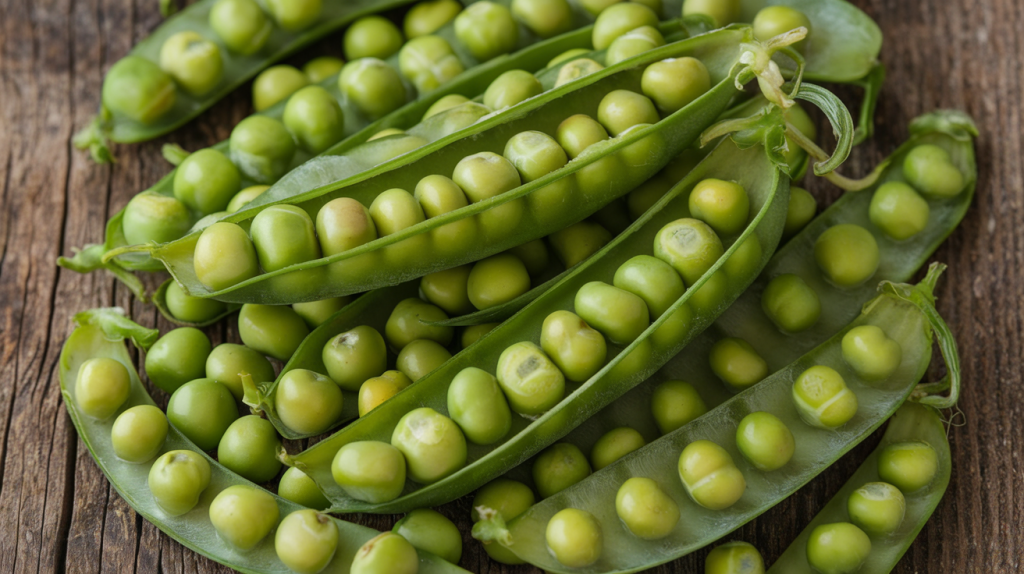
Appearance & Taste: Round, bright green peas with a fresh flavor.
| Nutritional Benefits | Culinary Uses | Harvesting Season | Growing Conditions |
|---|---|---|---|
| High in fiber and vitamin C | Used in salads, soups, and side dishes | Spring | He prefers cool temperatures and moist soil |
Fun Facts:
- Named after Abraham Lincoln.
- Known for its high yield and disease resistance.
29. Little Finger Carrot


Scientific Name:Daucus carota
Origin: Europe
Appearance & Taste: Small, slender orange carrots with a sweet, crisp taste.
| Nutritional Benefits | Culinary Uses | Harvesting Season | Growing Conditions |
|---|---|---|---|
| High in beta-carotene and fiber | Used raw, roasted, or in soups | Summer | Prefers loose, well-drained soil |
Fun Facts:
- Grows only 3-4 inches long.
- A favorite among home gardeners for its quick growth.
30. Long Beans (Yardlong Beans)


Scientific Name:Vigna unguiculata subsp. sesquipedalis
Origin: Southeast Asia
Appearance & Taste: These are thin, long green beans (up to 18 inches) with a slightly sweet taste.
| Nutritional Benefits | Culinary Uses | Harvesting Season | Growing Conditions |
|---|---|---|---|
| High in vitamin C and fiber | Used in stir-fries and curries | Summer | Thrives in warm, humid climates |
Fun Facts:
- It can grow up to 3 feet long.
- Stays tender even when cooked.
31. Long Eggplant


Scientific Name:Solanum melongena
Origin: India and China
Appearance & Taste: Slender, dark purple eggplant with a mild, slightly sweet taste.
| Nutritional Benefits | Culinary Uses | Harvesting Season | Growing Conditions |
|---|---|---|---|
| High in antioxidants and fiber | Used in stir-fries, grilling, and curries | Summer | Prefers warm temperatures and well-drained soil |
Fun Facts:
- Also called “Japane”e eggplant.”
- Absor”s flavors well, making it great for marinades.
32. Long Pepper Leaves (Edible Leaves from Long Pepper Plant)

Scientific Name:Piper longum
Origin: India and Southeast Asia
Appearance & Taste: Deep green, oval leaves with a slightly peppery flavor.
| Nutritional Benefits | Culinary Uses | Harvesting Season | Growing Conditions |
|---|---|---|---|
| Rich in antioxidants and vitamin C | Used in herbal teas and curries | Year-round | He prefers warm, tropical conditions |
Fun Facts:
- The plant also produces long, spicy pepper fruits.
- Traditionally used in Ayurvedic medicine.
33. Long White Radish (Daikon Radish)


Scientific Name:Raphanus sativus var. longipinnatus
Origin: East Asia
Appearance & Taste: Large, white root with a crisp texture and mild, slightly peppery taste.
| Nutritional Benefits | Culinary Uses | Harvesting Season | Growing Conditions |
|---|---|---|---|
| High in vitamin C and fiber | Used raw in salads, pickled, or cooked in soups | Fall and winter | Prefers cool weather and loose soil |
Fun Facts:
- A staple in Japanese, Korean, and Chinese cuisines.
- Often pickled or grated as a condiment.
Wrapping It Up!
From lettuce and leeks to loofah and lamb’s quarters, we’ve covered 33 vegetables beginning with L. Each one brings distinct flavor, texture, and health benefits to your kitchen.
Adding more of these options to your meals will broaden your food choices and provide various nutrients each vegetable contains.
You can find these L-vegetables at farmers’ markets, in your garden, or at specialty food stores. Consider trying one new L-vegetable monthly to add interest to your cooking and support a well-rounded diet.
The variety might surprise you, and your meals will benefit from the fresh additions.
Looking back at this list, which L-vegetable caught your attention and might make it onto your plate soon?